
Last updated November 20, 2026
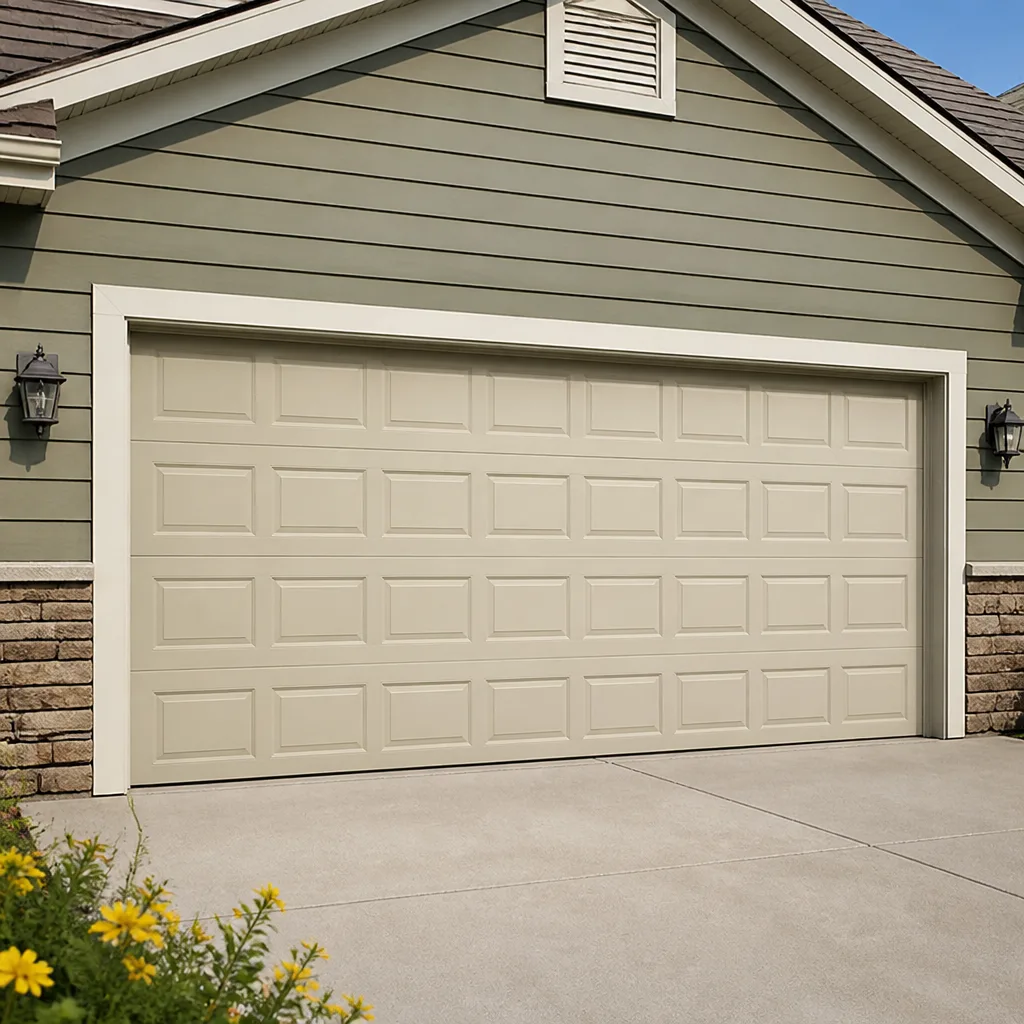 Raised-panel steel
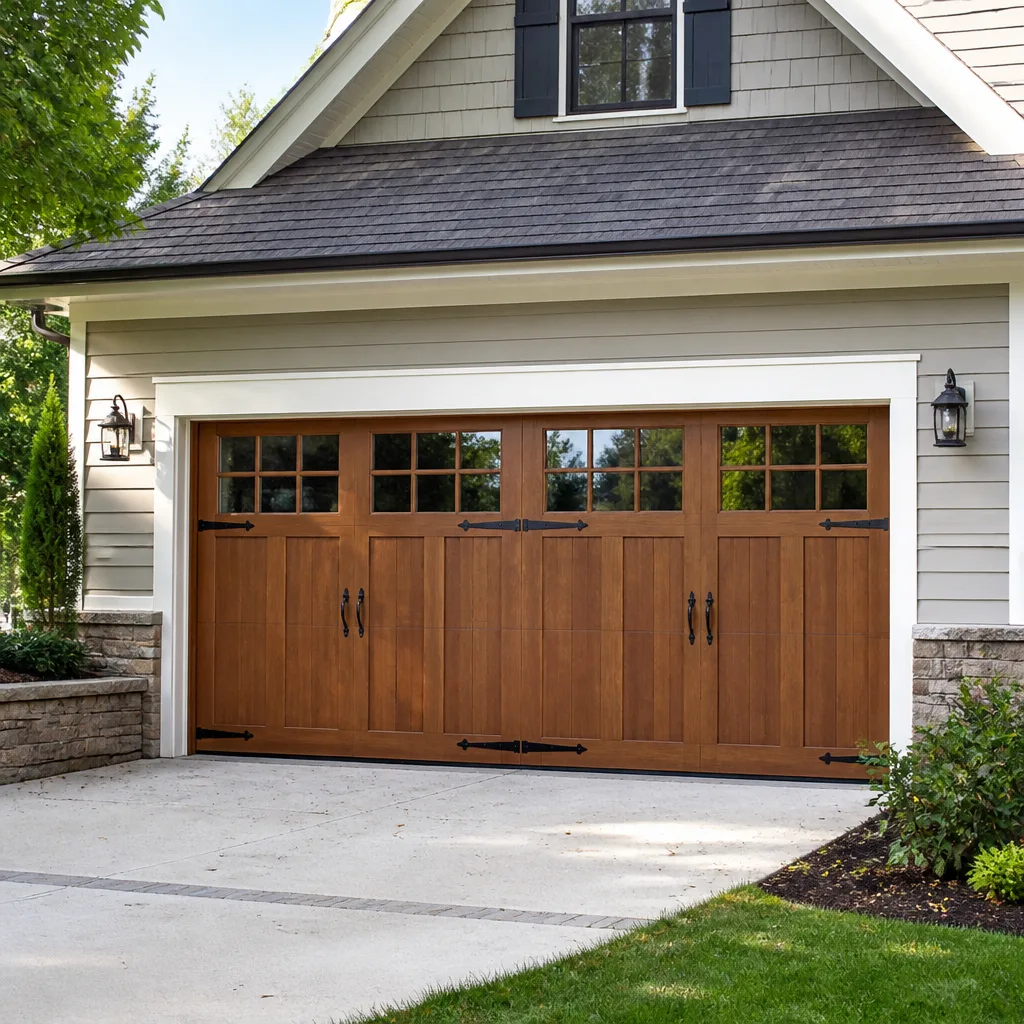 Carriage house
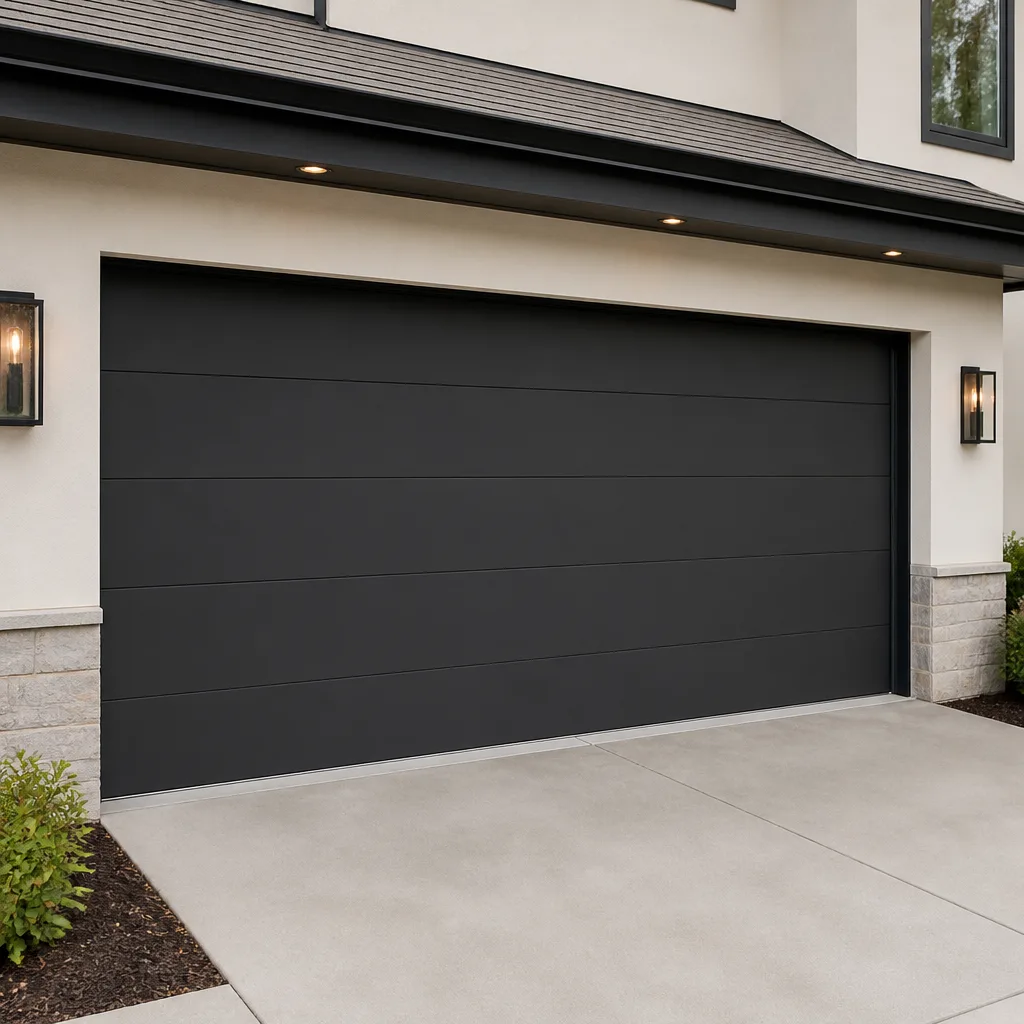 Modern flush
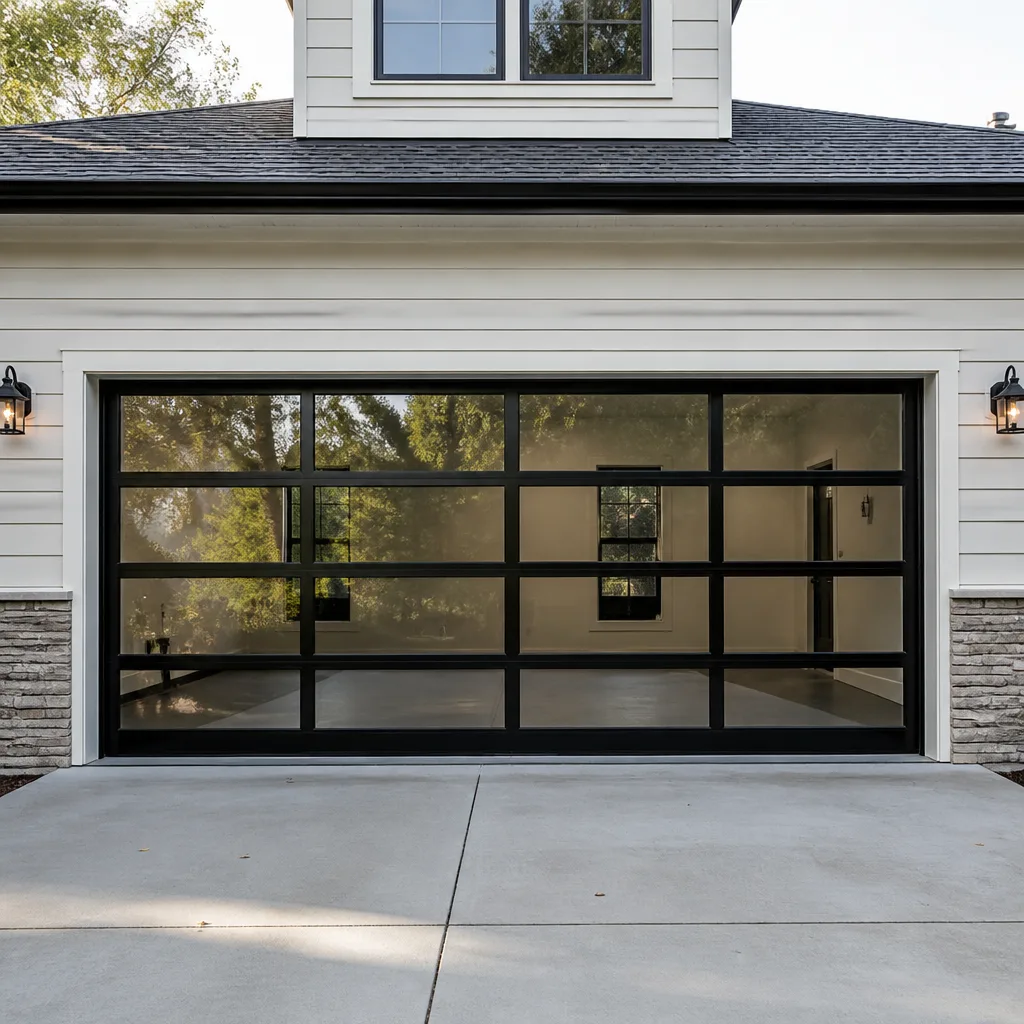 Full-view glass
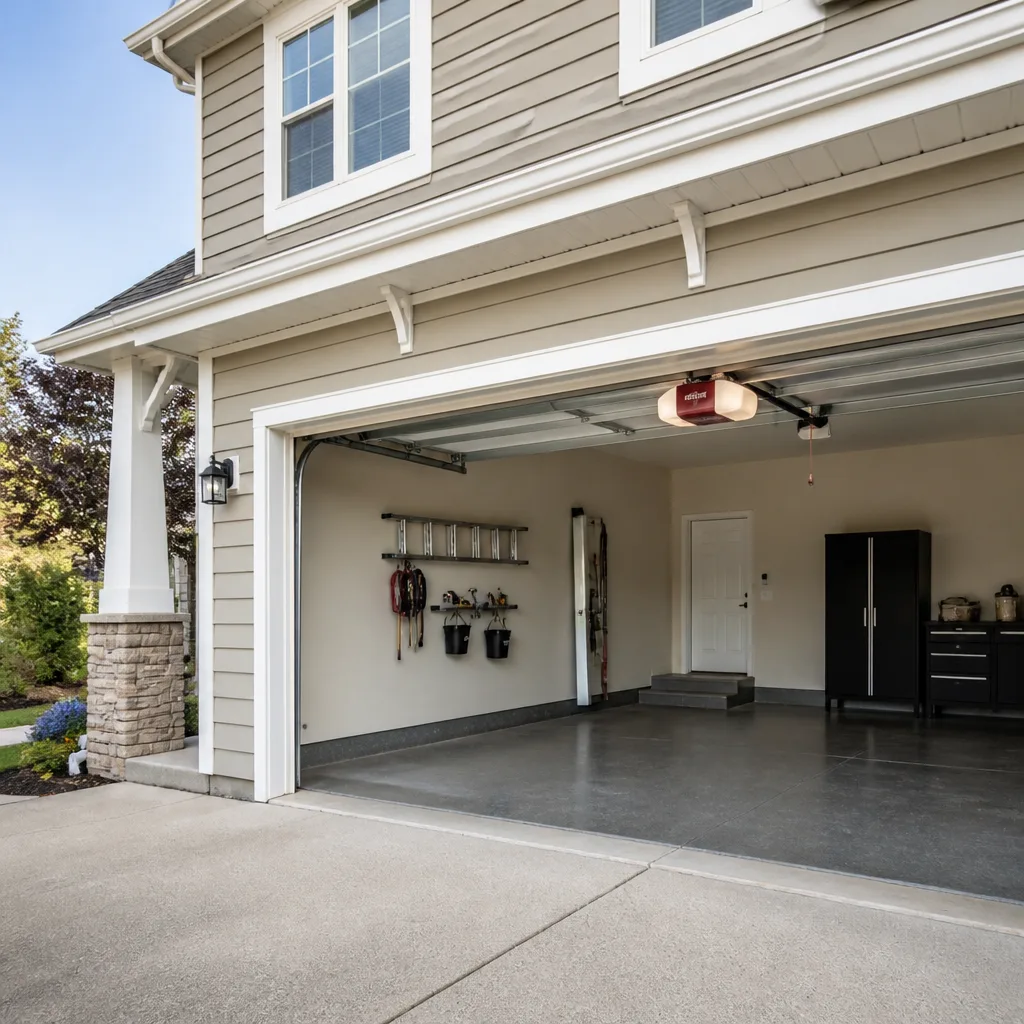 LiftMaster openers
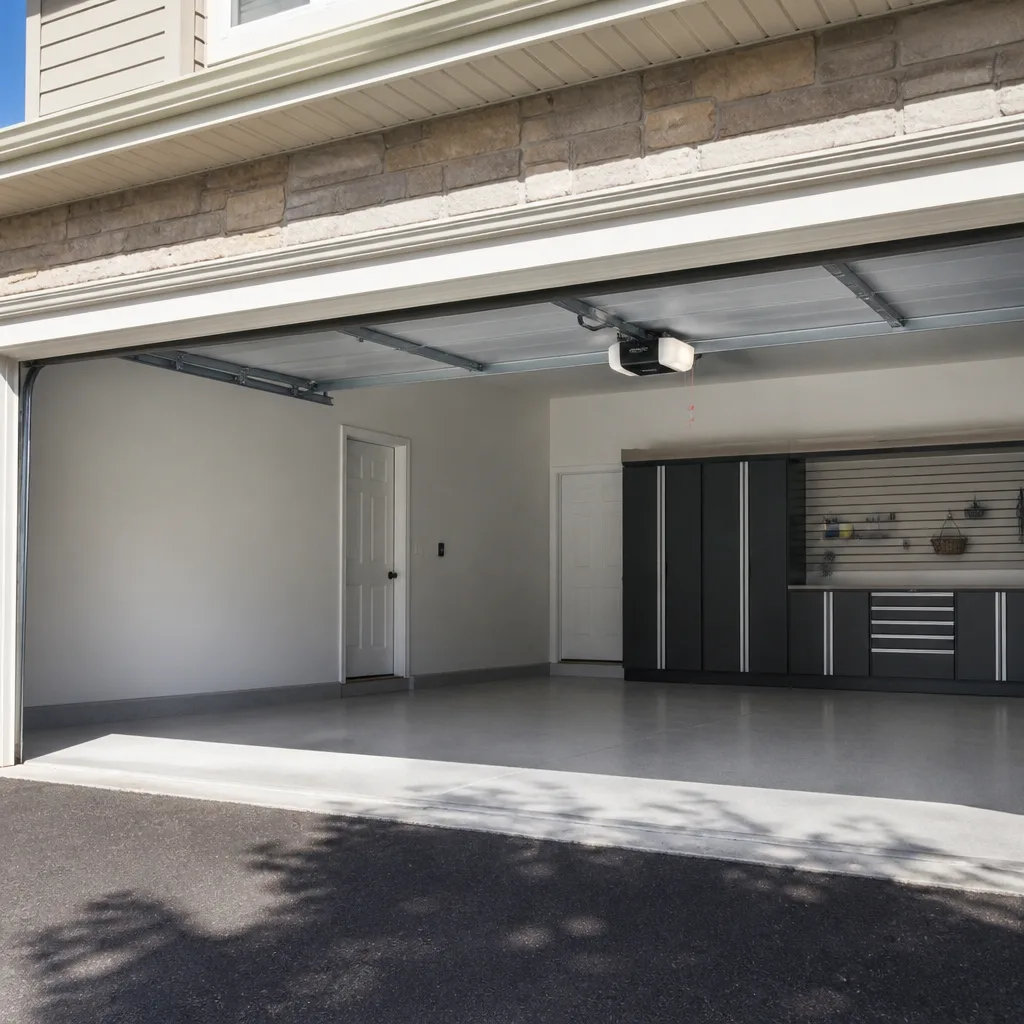 Chamberlain openers
Full 25-point door and opener safety check with every visit - springs, cables, rollers, tracks, and your LiftMaster or Chamberlain opener included
You get a price before we start. It does not change when the pro arrives.
Get your free estimateGarage Door Permits, Codes & Inspections in Greenacres, FL: What You Need to Know
Most homeowners in Greenacres think a garage door is a private purchase between them and whoever swings the hammer. It isn’t. A door swap can happen in a few hours, but the paperwork behind a legal one can take days – and skipping it creates a code violation that attaches to the property deed, not to the contractor who cut the corner. Whether you’re replacing a door, hardening it against storms, or buying a house in Greenacres and wondering if the last owner pulled a permit, this guide covers what triggers a permit, what an inspector actually looks at, and how to check a property’s permit history before it costs you at closing.
Quick Answer
In Greenacres and the rest of Palm Beach County, a full garage door replacement – and, in most cases, a full door system change like converting from extension springs to a torsion setup or altering the framing – requires a building permit before work starts. A like-for-like swap of a single panel or a straight opener replacement, with no change to the door’s product approval or the structure around it, typically does not. Opener swaps usually fall outside permit scope unless you’re altering the electrical circuit. Always confirm with the City of Greenacres Building Department before anyone orders a door, because the city’s interpretation of your specific scope is the rule that counts.
Styles & brands we work with
- Raised-panel steel
- Carriage house
- Modern flush
- Full-view glass
- LiftMaster openers
- Chamberlain openers
Table of Contents
- What triggers a garage door permit in Palm Beach County?
- Florida Product Approval and why the NOA must match the permit
- What the rough-in and final inspection actually cover
- How to pull permit history on a Greenacres property
- Legalizing an unpermitted garage door before you sell
- Repairs that never need a permit (and why that matters)
- Common mistakes to avoid
- When to call a professional
What Triggers a Garage Door Permit in Palm Beach County?
The simplest way to think about it: a permit is about changing the building, not maintaining it. Swap a broken hinge and you’re doing maintenance. Install a whole new door and you’re changing an exterior opening on a structure – which is exactly the kind of thing building departments track.
Scope is the dividing line. Here’s how the pieces usually shake out:
- Full door replacement with a new door by Clopay, Amarr, Wayne Dalton or another brand: almost always permits. This is a new product on the structure, with a new product approval that must be attached to the application.
- Like-for-like panel swap on an existing door, same product and same specs, with no change to framing, tracks or spring system: usually no permit, but confirm with the city, because interpretations vary on whether a panel counts as a structural change.
- Opener replacement or repair: generally no building permit. If the new opener needs a dedicated circuit change or the electrician is doing anything more than swapping an existing receptacle, the electrical work may pull its own permit.
- Converting extension springs to torsion: this is a change to the door’s operating hardware and the support structure above the door. In Palm Beach County, this often rides with a full door replacement when the original springs aren’t reusable; a standalone conversion is worth a call to the city to confirm.
- Structural changes to the header, jambs or opening itself: definitely permit territory. That’s framing, not a door trade.
Our experience in Greenacres, FL is that homeowners get sideways on the panel-swap question more than any other. Greenacres has a lot of 1980s and 1990s subdivisions where the original doors are still on the house, and a single damaged panel can be swapped without replacing the whole thing – but you need the product approval for that panel to be the same as the door it’s going into. If the panel brand has changed, you may be looking at a replacement whether you planned on it or not.
Florida Product Approval and Why the NOA Must Match the Permit
Florida does exterior opening approvals differently from most states. Every door system installed on a Florida home needs a Florida Product Approval number, and the door’s evaluation documentation – the product approval, sometimes referred to as a NOA or Notice of Acceptance depending on which approval method the product used – has to be attached to the permit application and match what’s actually being installed, down to the model.
That sounds bureaucratic, and it is, but it exists for a reason. The approval documents prove the door meets Florida Building Code requirements for wind pressure, impact performance and anchorage. In Greenacres, which sits inland in Palm Beach County but still falls within the windborne debris region, the required design pressure is lower than right on the coast, but it’s not zero. A door that doesn’t carry the right approval for its location can fail inspection, and a door installed without a matching approval can be flagged at the final.
What this means for you:
- Ask whoever supplies the door for the Florida Product Approval number in writing, before you buy.
- Check the approval number lists the door model, size and installation method you actually have. A number for a similar door isn’t good enough.
- Give that documentation to whoever pulls the permit. If it’s you, it goes on the application. If it’s a contractor, ask to see it referenced on the permit.
- If the door has been discontinued or the approval has lapsed, the replacement may need a different door with a current approval.
This is where brand knowledge pays off. We work with the brands already on Greenacres homes – Clopay, Amarr, Wayne Dalton and others – and part of that work is telling the homeowner whether the door they want has a current product approval before the order goes in, so nobody finds out at the inspection.
What the Rough-In and Final Inspection Actually Cover
A garage door permit typically gets two inspections: a rough-in, done after the framing and hardware are installed but before the final, and a final inspection once the door is fully operational. Some jurisdictions combine them, some don’t; ask the city how they schedule yours.
Here’s what an inspector is actually looking at, and what tends to get flagged:
- Product approval on site. The inspector wants to see the installed door matches the approval on the application. Wrong model or wrong size equals a failed inspection.
- Anchor and fastener spacing. The anchorage pattern has to match the approval’s installation instructions. A door hung with a different anchor spacing than the approval calls for is a common flag.
- Track and jamb alignment. The door should sit plumb in the opening, with the tracks anchored to the jamb and not shimmed to hide a sag.
- Spring system installation. Torsion or extension springs installed per manufacturer spec, with proper safety hardware on extension springs. Missing safety cables on extension springs is a classic flag in older Greenacres homes that still run extension springs.
- Header and support. The framing around the opening has to carry the load the door’s approval assumes. If a previous owner cut a header, the inspector will see it.
- Opener and safety reversal. If an opener is part of the scope, the safety reverse function has to test correctly.
- Final operation test. Door opens and closes without binding, contact reverse works, and the door sits flush when closed.
What inspectors don’t do is tell you the door is installed well. A door can pass inspection and still have a sloppy spring adjustment that’ll show up in a couple of years. Inspection is about code compliance and safety, not craftsmanship. That’s a separate conversation, and it’s why repair-first, brand-familiar work matters.
How to Pull Permit History on a Greenacres Property
This is the step almost nobody takes, and it’s the one that saves you at closing. Before you buy a house in Greenacres – or before you hire anyone to work on an existing door – you can check whether prior work was permitted and passed.
- Start with the City of Greenacres Building Department. They hold the permit records for work done in the city. Ask for a permit history search on the property address.
- Cross-check with Palm Beach County records if the property sits in an unincorporated pocket or if the city refers you to the county. Permit filing can split between jurisdictions depending on annexation history.
- Look specifically for garage door permits. A permit that was pulled and passed will show a final inspection date. A permit pulled and never closed is a problem – it can stall a closing the same way an unpermitted door can.
- Ask for the door’s product approval from the seller. If the door is relatively new, the homeowner should be able to point to the approval number. No paperwork and no permit history is a signal to dig further.
- Request the certificate of completion or final inspection record. This is what a title company or lender will want to see.
Do this before you make an offer if you can. In a market where Greenacres homes move quickly, doing the permit search during the inspection period is the practical window – but it’s worth knowing up front that a garage door history question can turn into a negotiation item.
Legalizing an Unpermitted Garage Door Before You Sell
An unpermitted door doesn’t usually stop a sale on its own, but it can delay one. Lenders and title companies care about unpermitted structural work, and a buyer’s inspector who notices a newer door with no permit on file will flag it. The good news is that most unpermitted installations can be legalized, and the process is manageable if you start early.
- Find out exactly what was done. Full door replacement, panel swap, opener change – the legalization path depends on scope. Get the door’s make, model and product approval if the old owner has any paperwork.
- Apply for an after-the-fact permit. The city will tell you what documentation they need – usually the product approval and installation details, and sometimes a site visit to confirm what’s actually installed.
- Have the installation corrected if it fails. This is the part that surprises people: legalizing isn’t just paperwork. If the door was anchored wrong, the tracks are off, or the springs weren’t installed to spec, the city can require corrections before they’ll sign off.
- Get the final inspection and the certificate. Once it passes, you have a clean record the title company can see.
If you’re listing a Greenacres home and you know the door was replaced without a permit, start this process early – the corrections, if any, take longer than the paperwork, and it’s a much easier conversation at the beginning of a listing than a week before closing.
Repairs That Never Need a Permit (and Why That Matters)
Almost everything that actually goes wrong with a garage door is a repair, and repairs don’t pull permits. A broken spring, a dead opener, a door that won’t seal, a bent track, a snapped cable – none of those require a permit, because none of them change the building or the approved product. The door that’s already on the house stays the door.
That’s why we separate our services the way we do. If your door just stops working, the answer is usually garage door repair, not a replacement, and no paperwork is involved. If your opener is the problem – a LiftMaster or Chamberlain unit that won’t respond, or a Genie that’s lost its programming – that’s garage door opener repair, again with no permit. If you hear a bang from the garage and the door won’t lift, that’s a spring failure, and garage door spring repair handles it in a single visit or two, no permit required.
We’ve learned over the years to lean repair-first because it’s the right call for the homeowner’s budget and because most failed doors don’t actually need to be replaced. A door with a snapped torsion spring is a door that needs a spring, not a new door. That distinction matters financially and it matters for the permit question too: if we can repair, you skip the permit process entirely.
The place this gets trickier is spring safety. Torsion and extension springs store enormous energy, and a failed spring is not a DIY project. We treat spring work as a core specialty, and we’d rather tell you honestly that a spring repair is dangerous to attempt yourself than let you find out the hard way. If your door won’t lift or you hear a bang, stop using the opener and call someone trained for it.
Common Mistakes to Avoid
- Assuming a like-for-like swap needs no permit. Sometimes that’s right, sometimes it isn’t. The city’s interpretation of your specific scope is the only answer that holds up – ask them before the order goes in, not after the door is hanging.
- Buying a door without checking its Florida Product Approval. The approval has to match the model, size and installation method. A similar door’s approval won’t pass the final inspection, and returning a custom-sized door is expensive.
- Hiring the lowest bid and finding out later the contractor pulled no permit. The permit violation follows the property, not the contractor. Get the permit number in writing before anyone starts work.
- Skipping a permit history search on a Greenacres home before closing. An unpermitted door is a negotiating item and sometimes a closing delay. You can check – it’s not hard – and you should.
- Letting a permit lapse or never getting the final inspection. An open permit is a problem at sale, and correcting it later costs more than the final inspection would have.
- Assuming a failed inspection means the door has to come down. Most fails are correctable – anchor spacing, safety cables, a mismatched component. The door usually stays.
- Trying to fix a spring problem with a replacement door. A snapped spring isn’t a door replacement trigger. If a contractor’s answer to a broken spring is a new door, get a second opinion before you sign anything.
See the difference
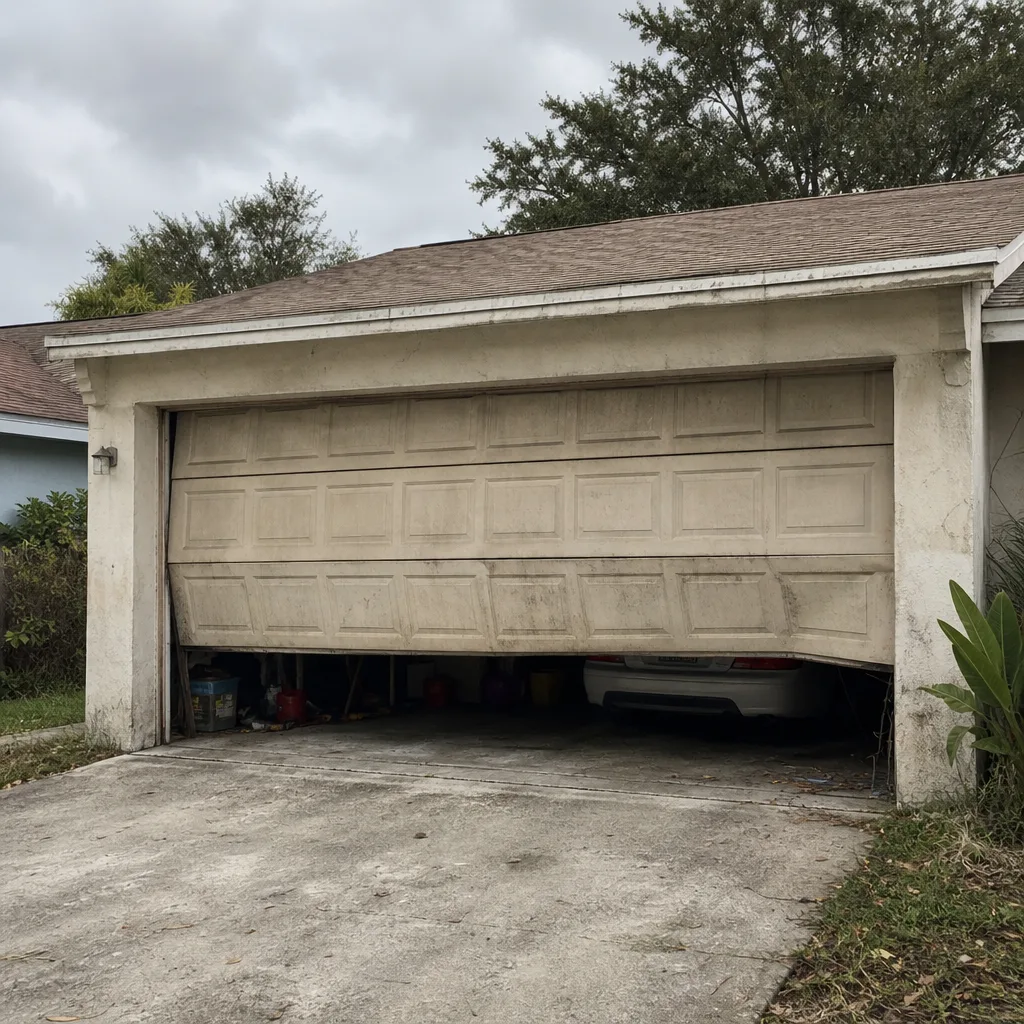 Before
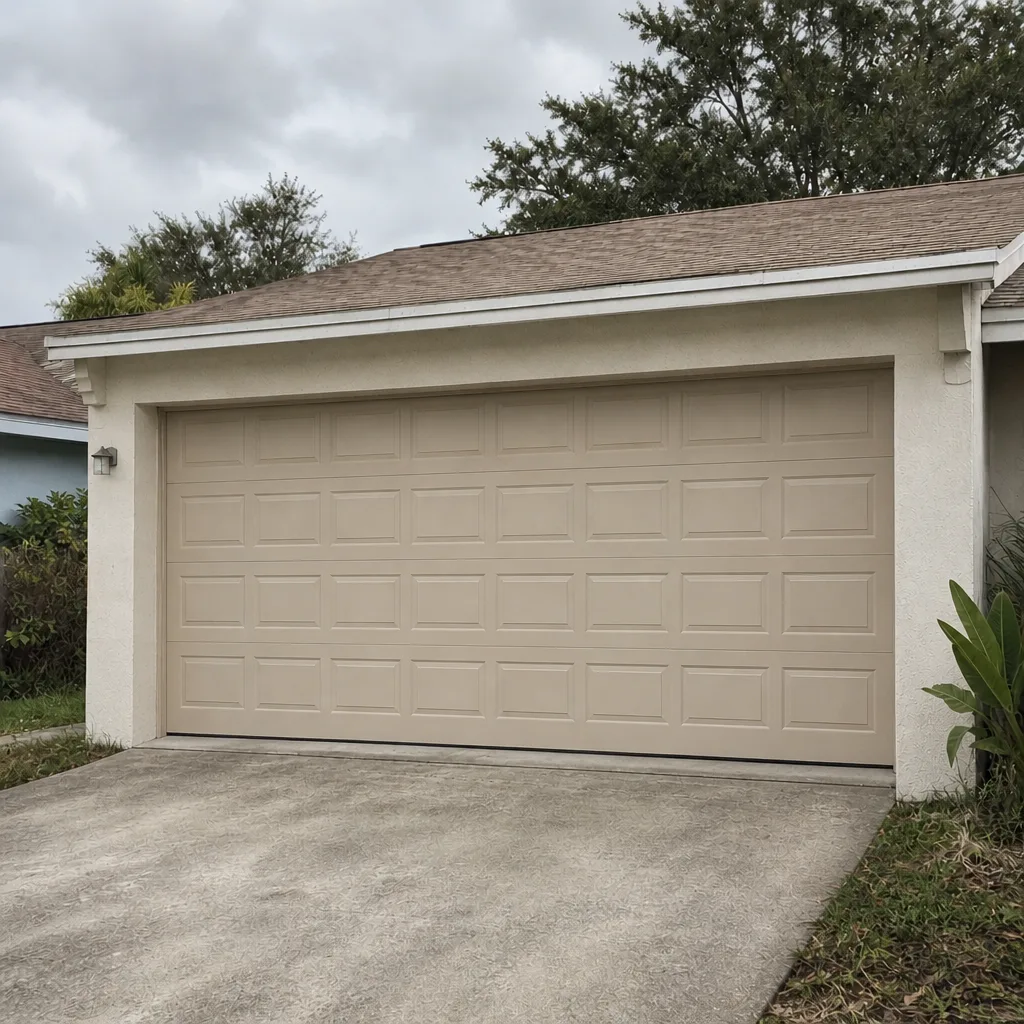 After
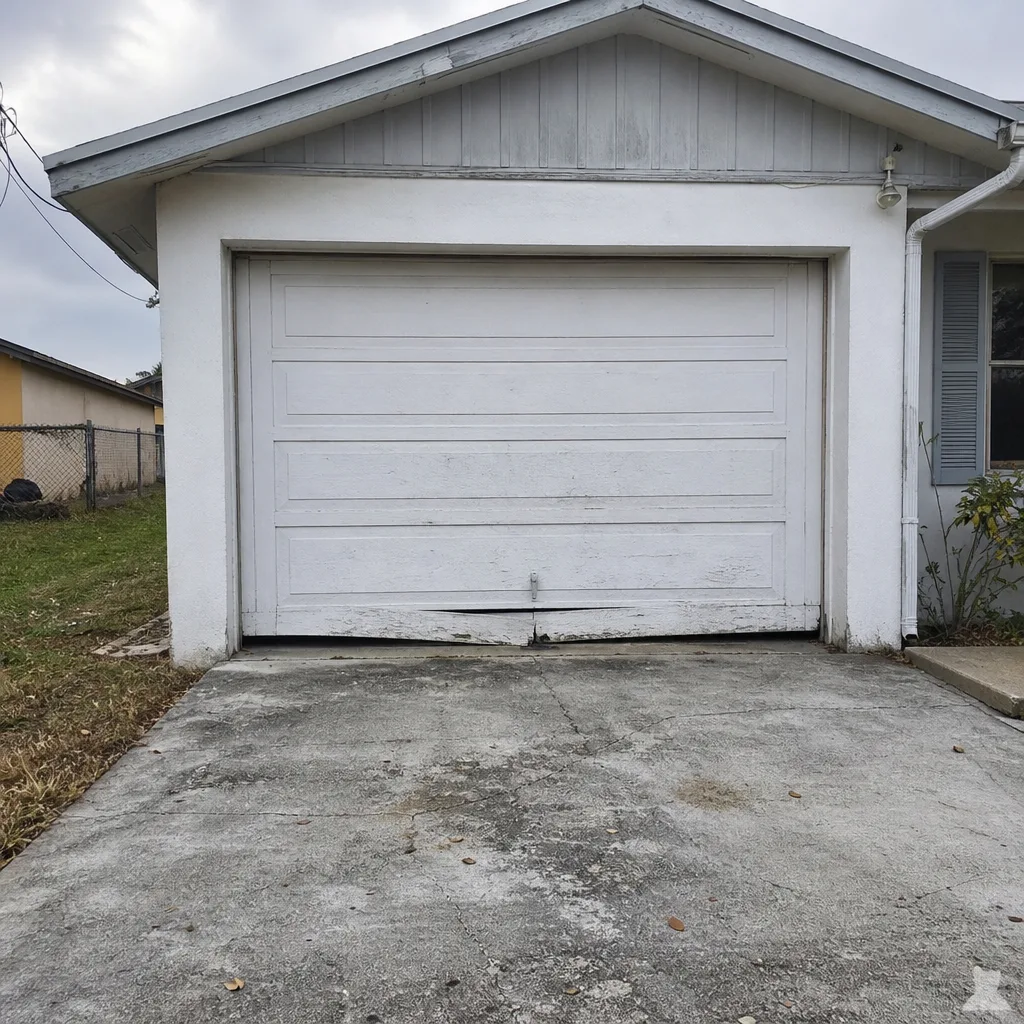 Before
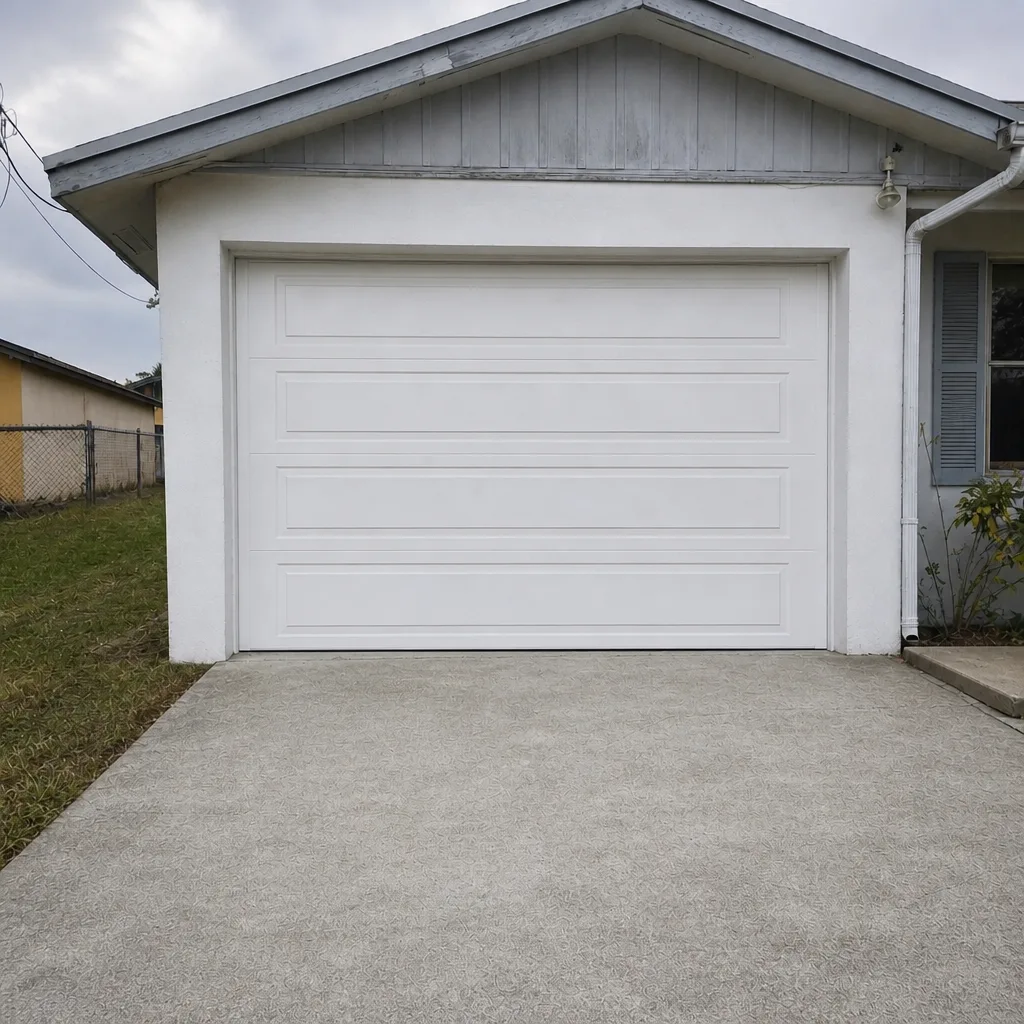 After
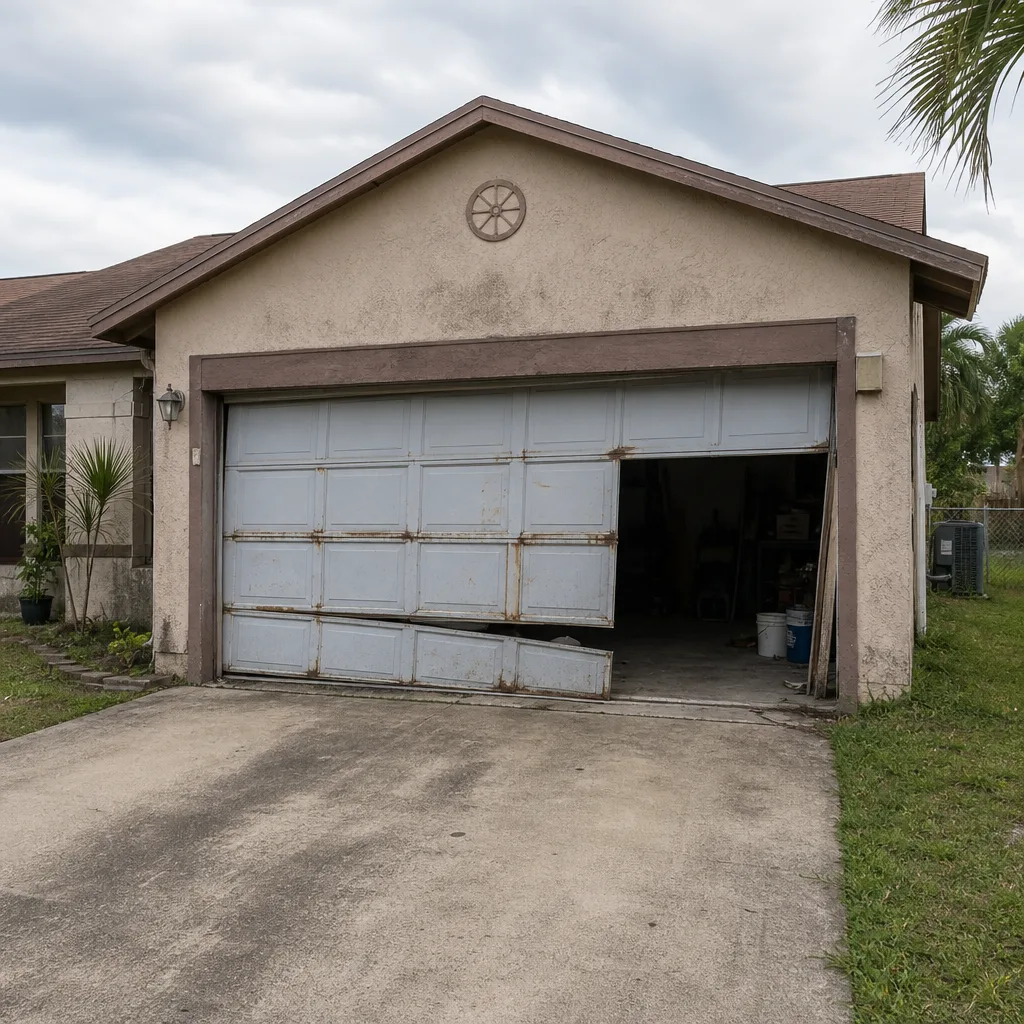 Before
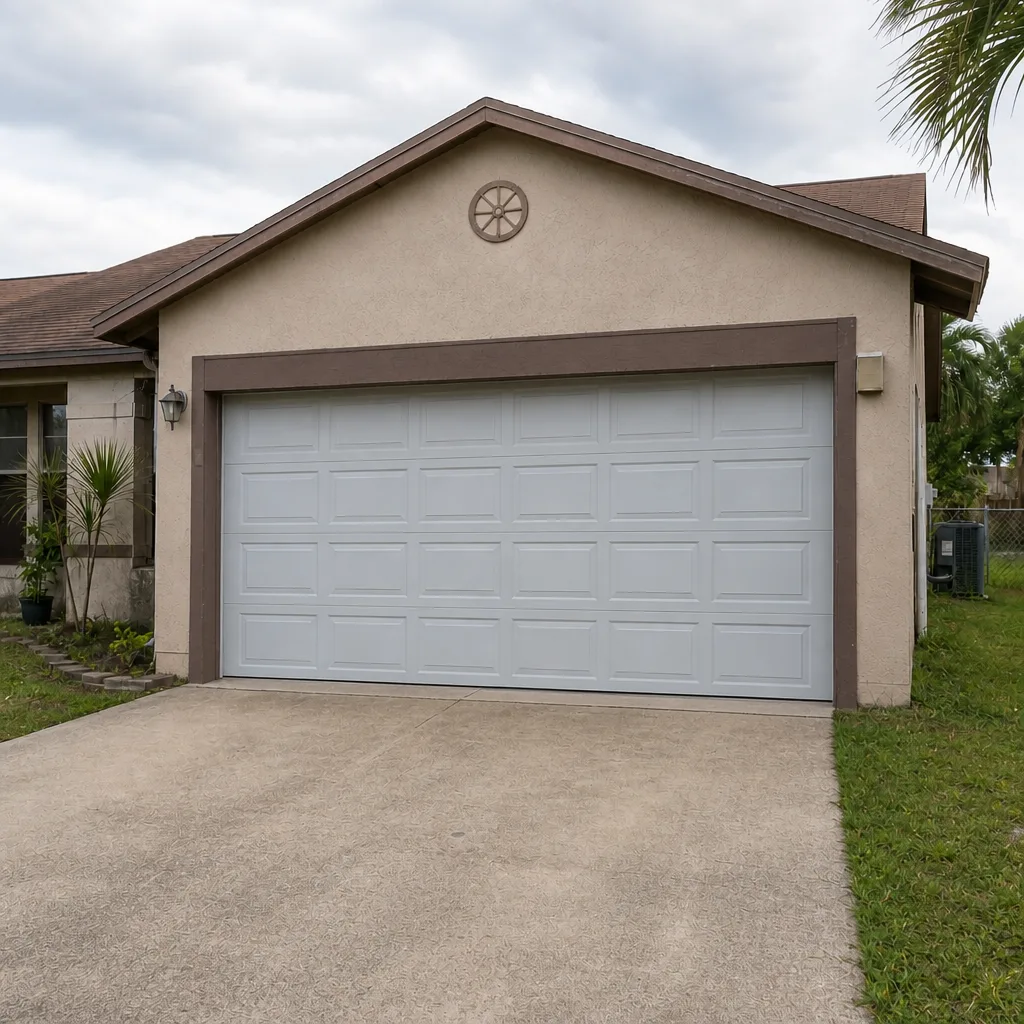 After
When to Call a Professional
Call a professional if you hear a bang from the garage and the door won’t lift, if the door is off its track, if the opener runs but the door doesn’t move, if you see broken springs or frayed cables, or if you’re not sure whether the door on your Greenacres home was installed legally. Spring, cable and track failures involve real energy and real injury risk – they’re not the kind of thing to learn on. On the permit side, if you’re replacing a door, ask the city about permits before you order; if you already have a contractor lined up, ask to see the permit number in writing, and if the answer is “we’ll file it after,” that’s a red flag.
Greenacres Garage Door Repair Pros offers free estimates in Greenacres – call (844) 493-3637 and we’ll tell you whether your repair needs a permit at all, or whether it’s straightforward repair work. We answer 24/7, with fast dispatch from 7am to 7pm, Sunday through Friday. Our technicians have up to 10 years of experience, and we work on the brand already on your home – LiftMaster, Chamberlain, Genie, Clopay and the rest of the common residential lines – so there’s no brand-switching pressure and no replacement pitch. Fix it first, replace only when necessary.
Frequently Asked Questions
In most cases, yes. A full garage door replacement in Greenacres and Palm Beach County typically requires a building permit with the door’s Florida Product Approval attached to the application. A like-for-like panel swap or a simple opener replacement usually does not, but the city’s interpretation of your specific scope is the rule that applies, so call the City of Greenacres Building Department before you order. For an exact quote on the repair side of the equation, call (844) 493-3637 – estimates are free.
No. Standard garage door repairs – a new spring, a replaced opener, a straightened track, a new cable – don’t require a building permit because they don’t change the structure or the approved product. Repairs are maintenance of what’s already on the house. If a contractor tells you a spring repair needs a permit, ask why in writing, because that’s unusual.
Pull the permit history from the City of Greenacres Building Department. A legal installation shows a permit with a passing final inspection date. A newer door with no permit on file means it was likely installed without one, and you’d want to confirm before closing. The seller should be able to produce the door’s product approval paperwork too; no paperwork and no permit is a signal to dig further.
The door usually stays – most inspection fails are correctable. Common flags are anchor spacing that doesn’t match the product approval, missing safety cables on extension springs, or a door model that doesn’t match the approval on the permit. The inspector will tell you what to correct and a re-inspection follows. In nearly all cases the failed door is fixed in place, not removed.
Yes, but it can slow things down. An unpermitted door can become a negotiating item or a closing delay, because buyers’ inspectors and lenders care about unpermitted structural work. The cleaner path is legalizing the installation before you list – an after-the-fact permit with corrections as needed and a final inspection. Start early, because corrections take longer than paperwork.
Generally no. Swapping a garage door opener is not treated as a structural change and doesn’t pull a building permit in Palm Beach County. If the new opener requires a change to the home’s electrical circuit or a new dedicated receptacle, the electrical work might need its own permit, but the opener itself usually doesn’t. For opener problems specifically, garage door opener repair is repair-first – we diagnose before we replace. Call (844) 493-3637 for a free estimate.
The Bottom Line
Garage door paperwork in Greenacres isn’t glamorous, but it’s the difference between a clean sale and a closing delay. Full door replacements almost always need a permit with a matching Florida Product Approval; panel swaps and opener repairs usually don’t; and any fix to an existing door – spring, cable, track, opener – never does. If you’re buying, pull the permit history. If you’re selling with an unpermitted door, start the legalization process early. And if the door just isn’t working, remember that most failures are repairs, not replacements, and repairs skip the permit line entirely. Call (844) 493-3637 for a free estimate and a straight answer on what your door actually needs.
Written by the team at Greenacres Garage Door Repair Pros.