
Last updated November 20, 2026
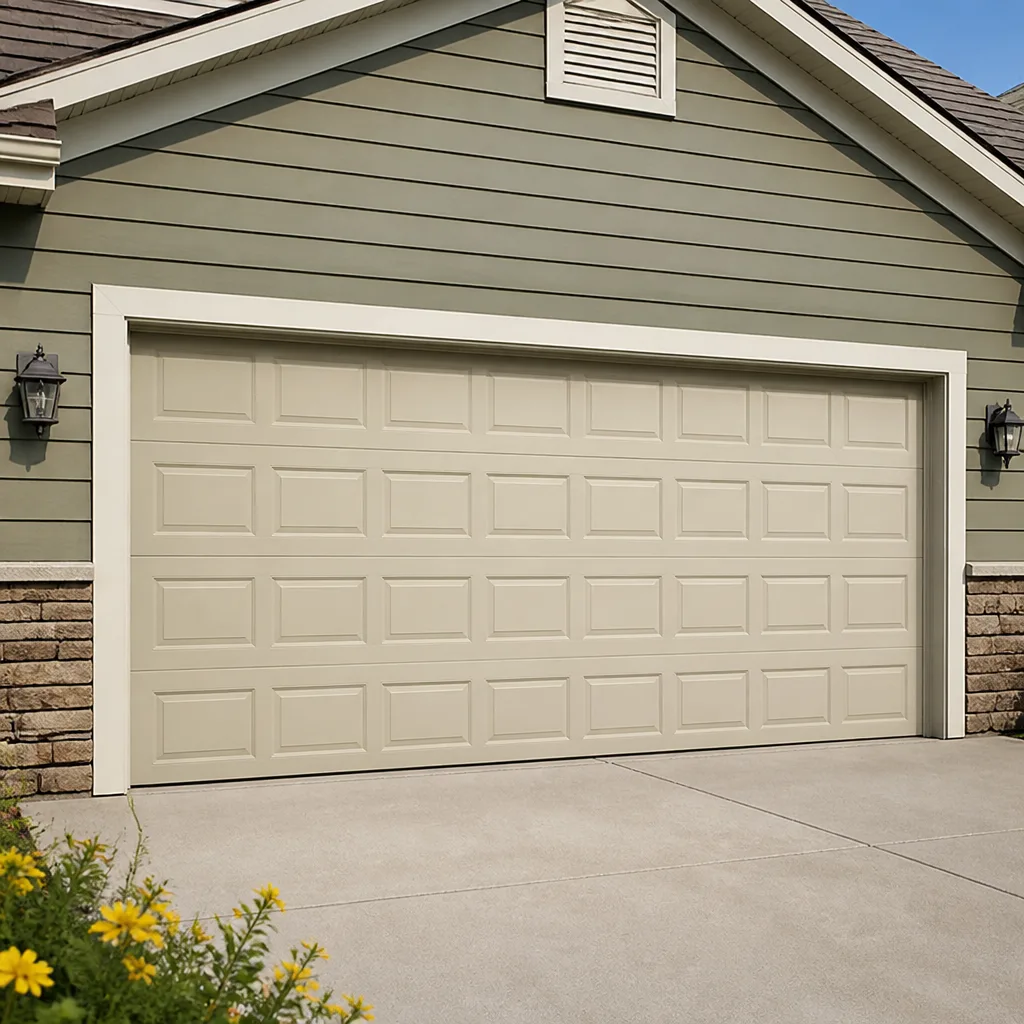 Raised-panel steel
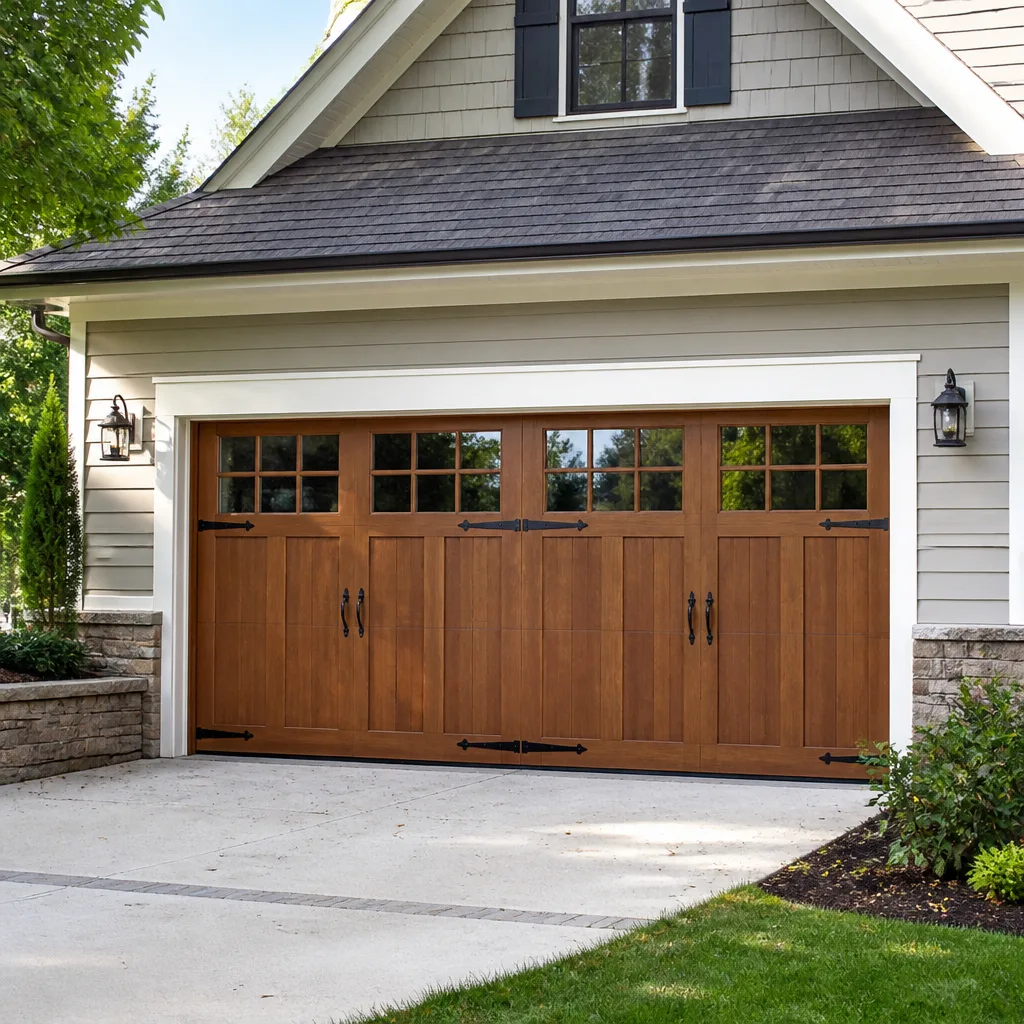 Carriage house
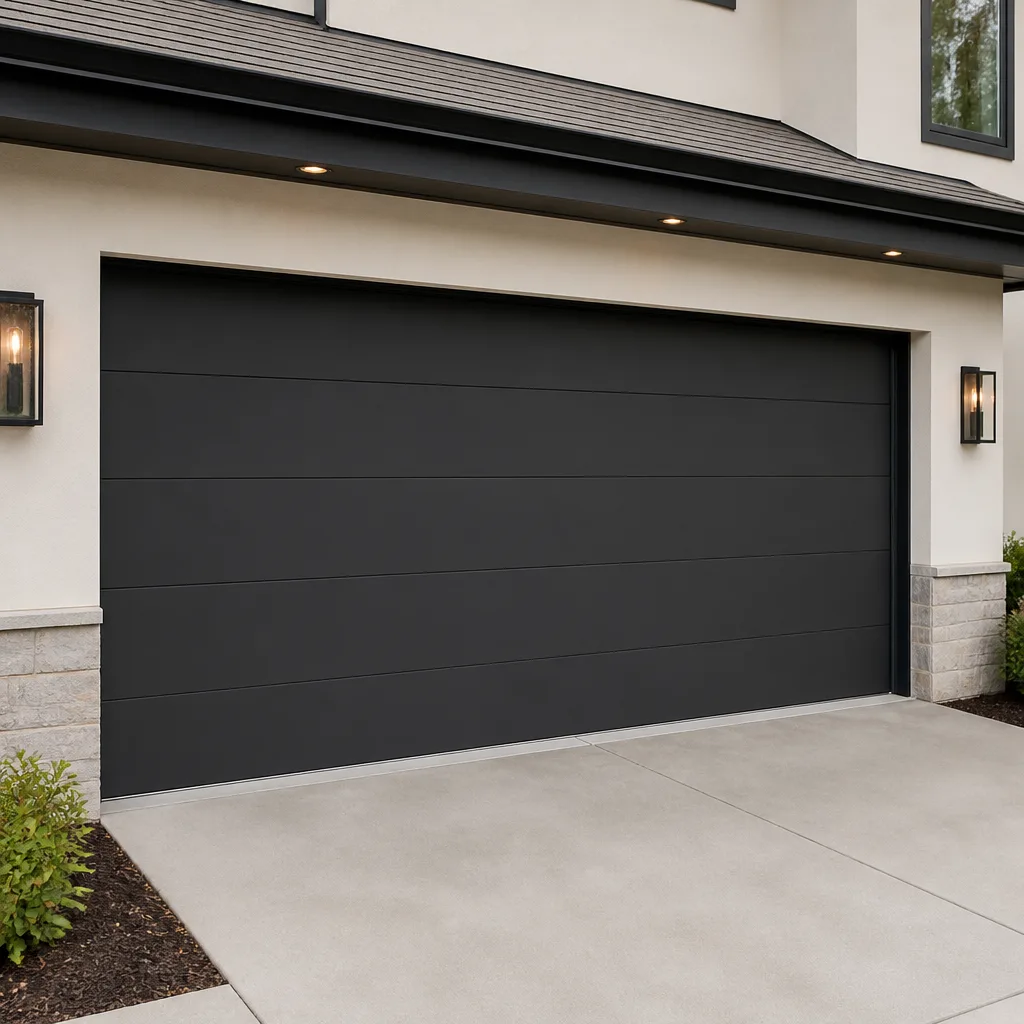 Modern flush
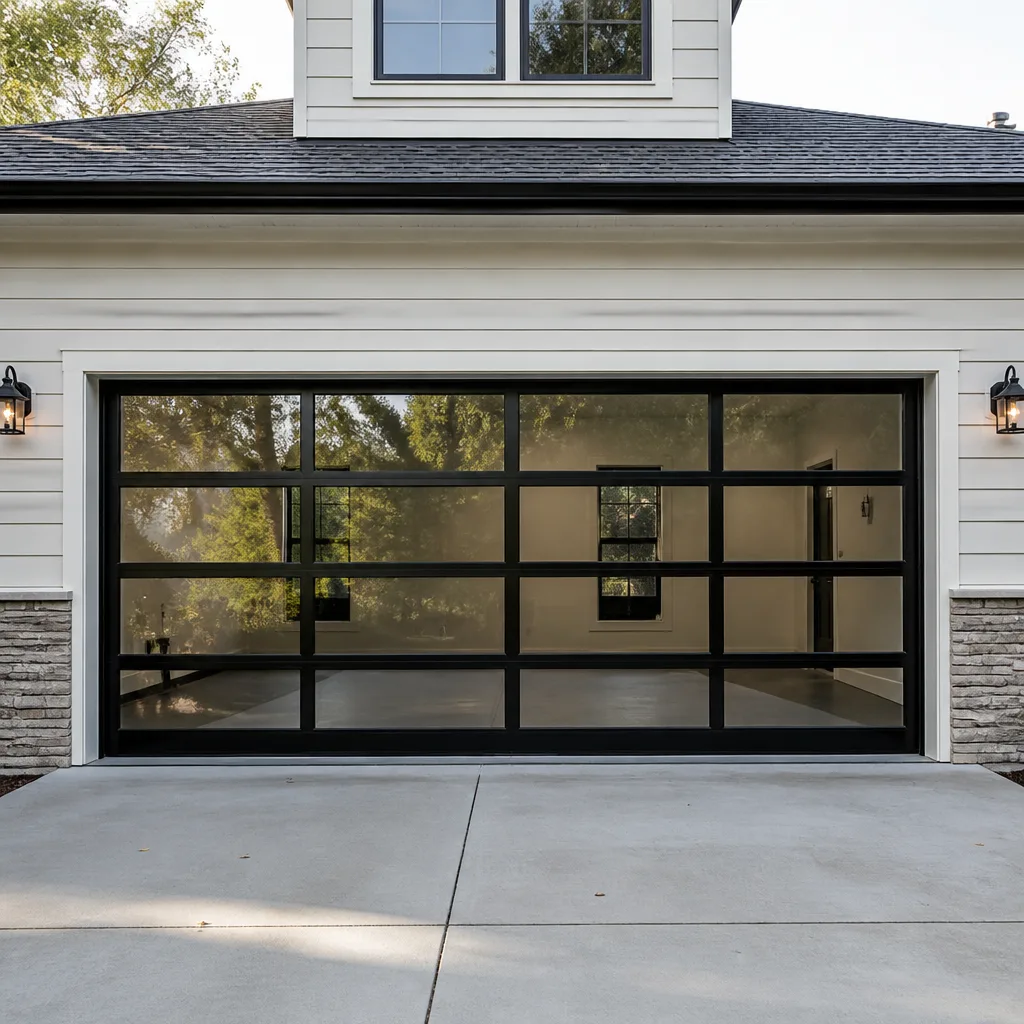 Full-view glass
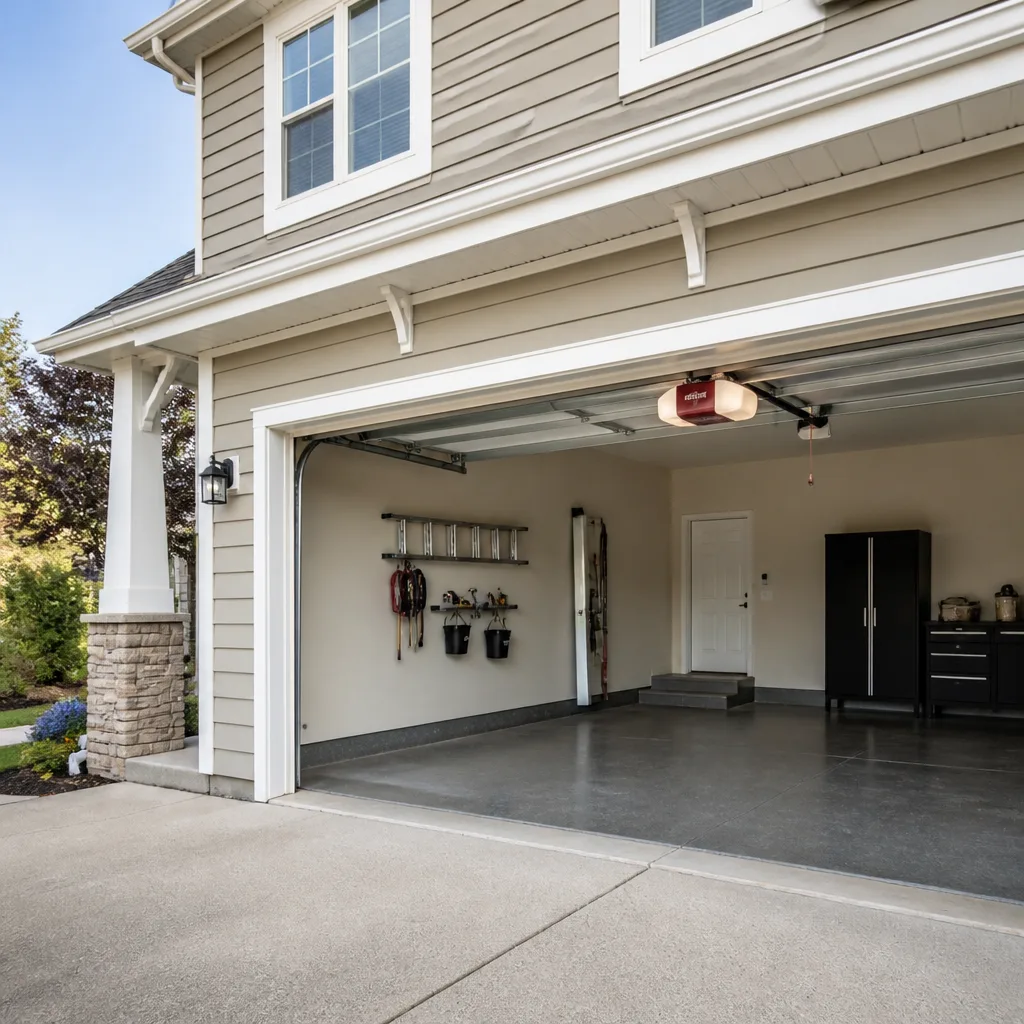 LiftMaster openers
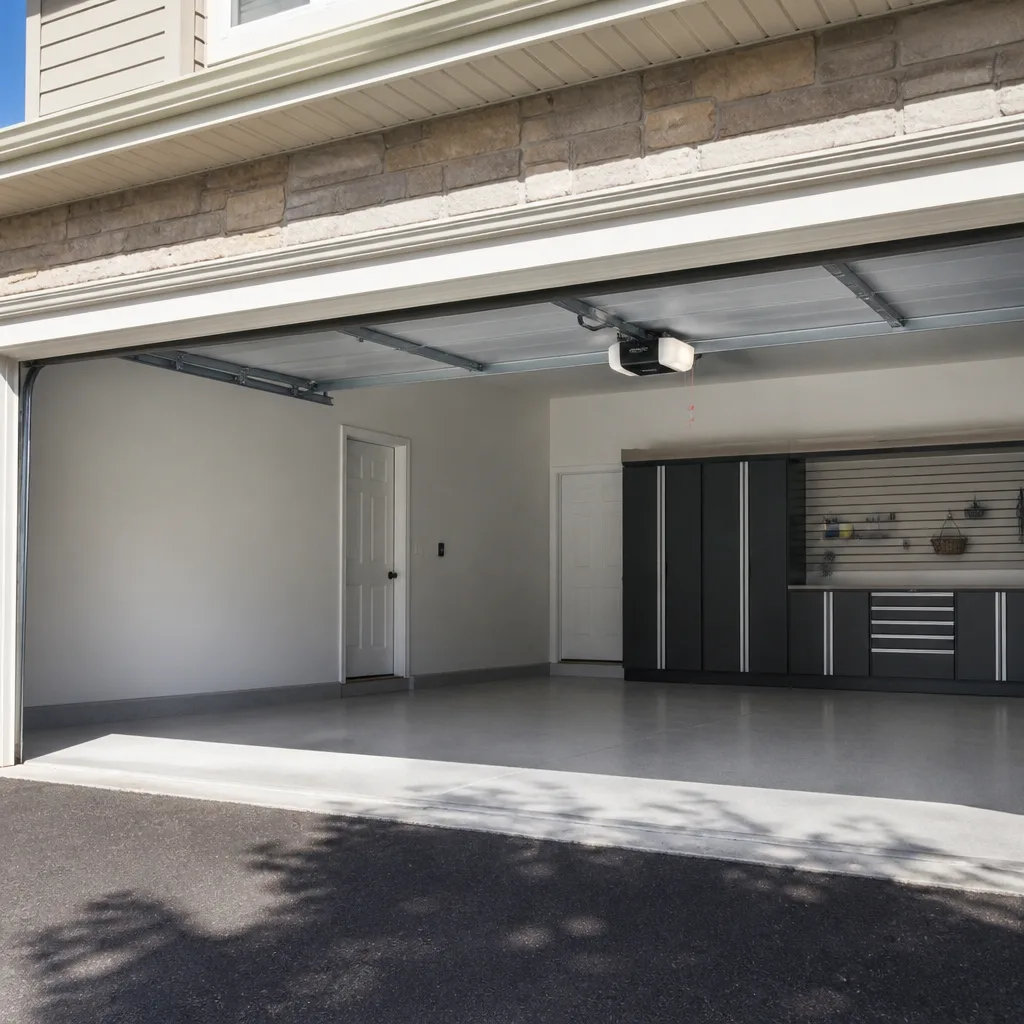 Chamberlain openers
Full 25-point door and opener safety check with every visit - springs, cables, rollers, tracks, and your LiftMaster or Chamberlain opener included
You get a price before we start. It does not change when the pro arrives.
Get your free estimateGarage Door Repair Maintenance Checklist for Greenacres Homeowners
Lubricate every moving part twice a year and wipe the door down once a season. That’s the advice most garage door checklists hand you, and it quietly assumes a climate with a real winter. Greenacres doesn’t have one. What it has is heat that holds for months, humidity that rarely lets go, and afternoon storms that drive rain sideways into every gap. The tasks that keep a door healthy in a cold state aren’t wrong here, just badly timed and badly chosen.
This guide walks through a maintenance checklist calibrated to the wear patterns we actually see in Greenacres: which lubricants belong on which parts, where rust starts on a door in this climate, how to read UV cracking on a seal before it lets water in, and the spring and balance checks a homeowner can do safely without touching any hardware. It’s built to be kept, printed, and worked through once a season.
Quick Answer
A good garage door maintenance routine in Greenacres means inspecting the door once a month, lubricating springs, hinges, and rollers roughly every three months instead of every six, checking the bottom seal for UV cracking before storm season, and doing a four-point balance test by hand every quarter. Anything involving springs, cables, or the opener’s internal wiring belongs to a trained technician, not a homeowner.
Styles & brands we work with
- Raised-panel steel
- Carriage house
- Modern flush
- Full-view glass
- LiftMaster openers
- Chamberlain openers
Table of Contents
- Why a Greenacres Door Wears Differently
- The 10-Minute Monthly Walk-Around
- Silicone vs. Lithium Grease: What Goes Where
- Inspecting Bottom Seals and Weatherstripping for UV Damage
- Rust Hotspots in a Humid Greenacres Garage
- The Four-Point Balance Test
- Safe Spring Checks Without Touching Hardware
- Opener and Safety-Reverse Check
- Common Mistakes to Avoid
- When to Call a Professional
- Frequently Asked Questions
- The Bottom Line
Why a Greenacres Door Wears Differently
A garage door is a machine made mostly of steel, and steel’s worst enemy is moisture that sits on it. In Greenacres, that moisture is a permanent houseguest. The garage stays warm, the air stays heavy, and condensation forms on cold metal surfaces overnight and dries slowly the next morning. That cycle repeats for most of the year, and it changes what maintenance actually matters.
Heat does its own damage. Metal expands during the day and contracts at night, and that flexing works on every hinge pin, roller stem, and fastener in the system. Door panels shift a fraction of an inch, seals compress and rebound, and screws that were snug in January can be loose by August. The hardware isn’t failing from abuse. It’s aging from constant motion caused by temperature swing.
Add storm season and you get a third pressure point: driving rain pushed against the door under wind load, hunting for the weakest seal, the smallest crack, the one hinge plate with a scratch in its finish. Once water reaches bare steel in a humid garage, rust starts fast and spreads faster. That’s why our checklist treats corrosion as the central problem rather than a footnote.
Greenacres sits in a part of Florida where this pattern is consistent enough that we can plan around it. The maintenance calendar here runs on humidity and heat, not on freezing and thawing. If you’ve moved from a colder state and brought your old garage door habits with you, this is the guide to reset them.
The 10-Minute Monthly Walk-Around
Most garage door failures announce themselves weeks before they strand a car. A ten-minute monthly inspection catches those warnings while they’re still cheap to fix. Do it standing, without tools, and don’t touch the springs or cables. Here’s the routine we suggest for Greenacres homeowners.
- Open and close the door once from the wall button. Listen. Grinding, squealing, popping, or a rhythmic thump all point to specific problems. A well-running door makes a low, even hum.
- Watch the door travel. It should rise and lower smoothly and stop level. A door that jerks, hesitates, or drifts to one side has a balance or track issue.
- Look at the tracks. Run your eyes along both vertical and horizontal tracks. Look for dents, debris, and any spot where the metal looks darker or textured. Don’t lubricate the track surface itself.
- Check the rollers. Each roller should sit firmly in its hinge with no visible wobble or flat spot. Cracked nylon rollers and worn steel rollers are common in a hot garage.
- Scan the hinges. Tighten nothing yet. Just look for rust streaks, loose screws, or a hinge that’s pulling away from the panel.
- Inspect the bottom seal. Look for cracks, gaps, or a seal that’s flattened and no longer touching the floor.
- Test the safety reverse. Place a roll of paper towels under the door and close it. The door should reverse on contact. If it doesn’t, the opener needs attention before you use it again.
- Look at the springs. From a distance, check the torsion spring above the door for a visible gap in the coil, and the extension springs at the sides for stretched or dangling safety cables. Don’t touch either.
That’s the whole routine. It takes ten minutes if nothing’s wrong, and if something is, you’ve caught it before it became a call to us at an inconvenient hour. Do it once a month and you’ll build a mental baseline for how your door normally sounds and moves, which makes a new noise obvious.
Silicone vs. Lithium Grease: What Goes Where
This is where most Greenacres homeowners go wrong, and it’s worth slowing down for. The wrong lubricant doesn’t just fail to help. It attracts grit, gums up in heat, and turns a smooth-moving part into a grinding one. In a humid climate, the wrong product can also trap moisture against metal.
Here’s how we’d split it component by component.
- Silicone spray: the default for springs, hinges, rollers, and the torsion bar. It’s dry, doesn’t collect dust, and won’t stain. In Greenacres heat it stays put without turning tacky. Use it on the full length of the torsion spring and on each hinge pivot.
- White lithium grease: appropriate for the opener’s rail and drive screw on a screw-drive or chain-drive unit, and for the curved portion of the track where rollers ride. Use it sparingly. A thick coat in a warm garage attracts grit and creates a paste.
- Never on the track: the straight vertical and horizontal track surfaces should stay clean and dry. Greasing them sounds helpful and isn’t. Rollers need to roll, not slide.
- Never on a nylon roller: nylon rollers are designed to run dry. Lubricant breaks down the material over time.
- Silicone for the bottom seal: a light wipe of silicone spray on the rubber seal keeps it pliable and slows UV drying. Don’t use petroleum-based products on rubber.
Frequency matters as much as product. The temperate-climate standard of every six months was developed for a place with a real cold season and lower humidity. In Greenacres, we suggest a light silicone application on springs, hinges, and rollers every three months. That’s the interval where hardware in this climate stays quiet and corrosion stays slow.
We work on LiftMaster and Chamberlain openers regularly, along with the rest of the major residential brands, and the lubricant rules are the same across all of them. The brand doesn’t change the chemistry.
Inspecting Bottom Seals and Weatherstripping for UV Damage
Your bottom seal takes more punishment than any other part of the door. It’s pressed against a floor that heats up all day, exposed to sun whenever the door is closed and to humidity every hour, and expected to keep water out through storms that push rain horizontally. UV is the slow killer. It dries out the rubber, cracks it, and once it cracks, water gets in.
A cracked bottom seal is the leading source of water intrusion into a Greenacres garage after a summer storm. The water doesn’t announce itself dramatically. It seeps under the door, sits on the slab, and starts working on the bottom panel’s finish and the base of anything stored along that wall.
Here’s how to inspect it properly:
- Close the door and stand inside. Look along the full length of the seal where it meets the floor. Any daylight visible is a gap.
- Press the seal with your thumb at several points. It should feel springy. If it feels hard, brittle, or crumbly, UV has done its work.
- Look for fine surface cracks, especially on the outside face that faces the sun.
- Check the sides and top weatherstripping the same way. The side stops often show cracking at the corners first.
- Run a hand along the bottom of the door panel above the seal. Any softness or bubbling in the paint means moisture has gotten behind the finish.
Replacing a bottom seal is one of the least expensive jobs in garage door maintenance, and it’s the single most effective defense against storm water. If yours is cracked or flattened, it’s worth addressing before the wettest part of the year. Our garage door repair service covers seal replacement alongside panel and hardware work.
Rust Hotspots in a Humid Greenacres Garage
Rust in a humid climate doesn’t start randomly. It starts where moisture collects and stays, usually at a joint, a fastener, or a spot where the factory finish has been scratched. Greenacres homes tend to show rust in the same places again and again. Knowing where to look saves you from discovering corrosion after it’s gone structural.
Check these spots during your monthly walk-around:
- The inside face of the bottom panel. Ground moisture and splash-back collect here. Look for streaks and blisters in the paint, especially near the seal.
- Hinge plates and their screws. The hinge pivot is a tight joint that traps moisture. Rust here is common and, if ignored, the hinge seizes.
- Track bolt heads and the brackets that mount them. Bare steel fasteners are the first to show oxidation.
- Cable drums at the top of the torsion system. A cable drum with rust in its groove means the cable is running over a rough surface, which accelerates wear.
- The bottom corners of the door panels. Splash from rain and irrigation collects here, and the panel seams hold water.
- Any spot where paint is chipped or scratched. A scratched panel finish in a warm, humid garage rusts faster than most homeowners expect.
The fix for surface rust is straightforward: a light scuff, a rust-inhibiting primer, and a matching topcoat. Catch it when it’s a spot, not a patch. If rust has reached a hinge, roller, or cable drum, that’s a parts replacement, and it’s worth having a technician look at the whole system while they’re there. Our technicians have up to 10 years of experience spotting corrosion before it reaches moving hardware.
The Four-Point Balance Test
A balanced door takes almost no effort to lift and holds its position wherever you stop it. An unbalanced door is fighting its own springs, and that fight eventually ends with a burnt-out opener, a bent panel, or a failed spring. The good news is that balance is easy to test by hand, and it’s one of the earliest warnings you’ll get about a door that’s on its way to a failure.
Here’s the four-point test we recommend every quarter. Use the manual release cord (the red handle) to disconnect the opener first, and use the door’s own handle to move it, never the panels.
- The lift test. With the door closed, lift it by the handle to about waist height. It should feel light. If it takes real effort, the springs are losing tension.
- The halfway hold. Stop the door at roughly halfway open. Let go. It should stay put. A door that creeps down means the springs are weak. A door that drifts up means the springs are overpowered or the setup is off.
- The full-open hold. Raise the door fully and let go. It should stay at the top without drifting.
- The descent. Lower the door slowly and evenly. It should track straight with no side-to-side lean and no jerking.
If the door fails any of these four, don’t use the opener to force it. Reconnect the opener only after a technician has checked the spring tension. A door that’s poorly balanced will burn out an opener motor quickly, and it’s genuinely unsafe to operate with an auto-opener.
Safe Spring Checks Without Touching Hardware
Springs are the most dangerous component in any garage door, and it’s worth being direct about that. A torsion spring stores enough energy to cause serious injury, and a spring under tension can release suddenly. All you should ever do as a homeowner is look, listen, and then call us. There’s no safe DIY repair here.
What you can do safely:
- Torsion spring: stand back and look at the coil above the door. A broken torsion spring has a visible gap in the coil, usually at one end. If you see a gap, the door is unsafe to operate and a technician needs to take over.
- Extension springs: look at the springs at each side of the door. They should be intact and inside a safety cable that runs through the center. If the cable is loose, missing, or sagging, that’s a call. If the spring is stretched out to nearly the length of the uncoiled wire, it’s weak.
- Listen for the tell. A loud bang from the garage, followed by a door that won’t lift, is the classic sound of a spring breaking. If that happens, don’t try to lift the door manually and don’t cycle the opener.
- Look for sag. A door that looks crooked at rest, with one side higher than the other, usually has one broken or slack spring.
Repairing a spring is one of the few jobs where doing it wrong is genuinely dangerous. We treat garage door spring repair as a core service for exactly that reason, and if your check turns up a broken spring, call before touching the door again.
Opener and Safety-Reverse Check
An opener is a motor, a control board, and a safety system, and each part can fail in its own way. In a Greenacres garage, the motor runs hot, the board lives in a warm cabinet, and the safety sensors sit on brackets that can drift. A monthly check catches all of it.
Here’s the short version of an opener check:
- Safety reverse on contact. Place a roll of paper towels under the closing door. It should reverse on contact.
- Photo-eye (safety sensor) test. Wave an object in front of the sensors while the door is closing. It should reverse. Then check that the sensor lenses are clean and both LEDs are lit and steady.
- Remote and wall button range. Both should trigger the door from a good distance. If one fails and the other works, the problem is in the remote or its battery, not the opener.
- Manual release. The red cord should disconnect the door from the opener easily. If it doesn’t, the operator’s carriage is likely jammed and needs service.
- Travel limits. The door should stop at the same point each time. A door that stops short or reverses partway has a travel limit that’s drifted.
If any of those checks fails, the opener needs service before you keep using it. Our garage door opener repair service handles LiftMaster, Chamberlain, Genie, and Craftsman units, along with the rest of the major residential brands, so you don’t need to shop for a brand-specific repair shop.
Common Mistakes to Avoid
- Following a six-month lubrication schedule. That interval came from a colder, drier climate. In Greenacres, the heat and humidity mean springs, hinges, and rollers need attention closer to every three months.
- Greasing the tracks. The track needs to stay clean and dry. Grease attracts grit, and grit grinds the roller, the track, or both.
- Using WD-40 or a heavy grease on spring coils. WD-40 is a solvent, not a lubricant, and heavy grease traps grit. Silicone spray is the right product for the job in this climate.
- Ignoring the bottom seal. A cracked bottom seal is easy to overlook and hard to recover from, because it’s how most storm water gets into a Greenacres garage. Look at it every month.
- Using the opener to force a misaligned door. If the door looks crooked or jerks on one side, the opener is the worst tool for it. Force it and you’ll burn out the motor while waiting for a balance problem to get worse.
- Replacing rather than repairing. Many doors that look worn are one spring, one hinge set, or one opener part away from running quietly again. Repair-first saves real money and keeps a perfectly good door out of a landfill.
- Touching the springs to “test” them. Springs store energy. Anything that involves loosening a spring, a cable, or a winding cone needs a trained technician, not a homeowner with a wrench.
When to Call a Professional
Some jobs belong to us. Some belong to you. Here’s where the line is. Call a professional immediately if you see a gap in the torsion spring or a broken extension spring, if the door has stopped lifting or is hanging crooked, if you hear a bang from the garage followed by a dead door, if the safety reverse doesn’t work, or if a cable has come loose from its drum. Any of those means the door should stay closed until a technician checks it. Also call if the door is off its track, if a panel has been struck and no longer sits flush, or if a hinge plate is pulling away from the panel.
You can handle lubrication, seal inspection, tightening the occasional screw, and the monthly walk-around yourself. Greenacres Garage Door Repair Pros offers free estimates in Greenacres. Call (844) 493-3637 and we’ll tell you what we think the door needs. We work on the brand already on your home, and most repairs are completed in a single visit.
Frequently Asked Questions
Every three months for springs, hinges, and rollers, not the six months you’ll see on most national checklists. The heat and humidity here dry out and wear down lubricant faster than in a temperate climate. Use silicone spray, not grease. Call (844) 493-3637 for an exact quote on any repair – estimates are free.
Yes, you can visually inspect them safely from a distance, and you should. Look for a visible gap in the torsion coil above the door, and check that extension springs at each side are intact and threaded with a safety cable. If you see a gap, a break, or a sagging cable, stop using the door and call a technician. Call (844) 493-3637 – we answer 24/7, and our garage door repair team handles spring work directly.
Press the seal with your thumb. If it feels hard or crumbly rather than springy, UV has dried it out and it needs replacing. Look for fine cracks, especially on the sun-facing side, and check for daylight visible along the floor when the door is closed. Call (844) 493-3637 for a free estimate on a seal replacement.
That’s almost always a balance or spring problem. A door that creeps down when stopped halfway has weak springs, and a door that drifts up has overpowered ones. Either way, it needs a technician’s look before the opener is used again. Call (844) 493-3637 – our garage door spring repair specialists can tell you exactly what’s happening.
Surface rust in a warm, humid garage is common, particularly on hinge plates, fasteners, the inside of the bottom panel, and the cable drums. Small spots are easy to treat with a rust-inhibiting primer and a topcoat. Rust that has reached a moving part is a replacement. Call (844) 493-3637 if you’re not sure which you’re looking at.
We give you a written estimate before any work starts, so you know the price and agree to it first. Call (844) 493-3637 to set up a free estimate. We answer 24/7, and dispatch runs from 7am to 7pm, Sunday through Friday.
The Bottom Line
Maintenance that works in Greenacres looks different from maintenance written for a colder state. Springs, hinges, and rollers want silicone every three months, not every six. The track stays clean and dry. The bottom seal gets a hard look every month, because in this climate it’s the first defense against storm water. Rust gets caught as spots on fasteners and hinge plates, not patches on the panels. The four-point balance test tells you more about your door’s health than any single listening test, and visually checking the springs without touching them is something every homeowner should know how to do.
Ten minutes a month and a proper quarterly lubricant schedule will keep almost any door running quietly. The rest is knowing when to stop, and the dividing line is springs and cables. When in doubt, call. Greenacres Garage Door Repair Pros is here to fix what’s broken, not sell you a door you don’t need.
Contact Us
If a check turned up something you’d rather not touch, or you’d like a technician to walk your Greenacres garage door through a full maintenance review, call Greenacres Garage Door Repair Pros at (844) 493-3637 for a free estimate. We answer 24/7. Fast dispatch from 7am to 7pm, Sunday through Friday. The price is set per job by the written estimate, so you’ll know the number before any work starts. If a spring has let go on a Saturday, call and we’ll book you into the next opening.
Written by the team at Greenacres Garage Door Repair Pros.
See the difference
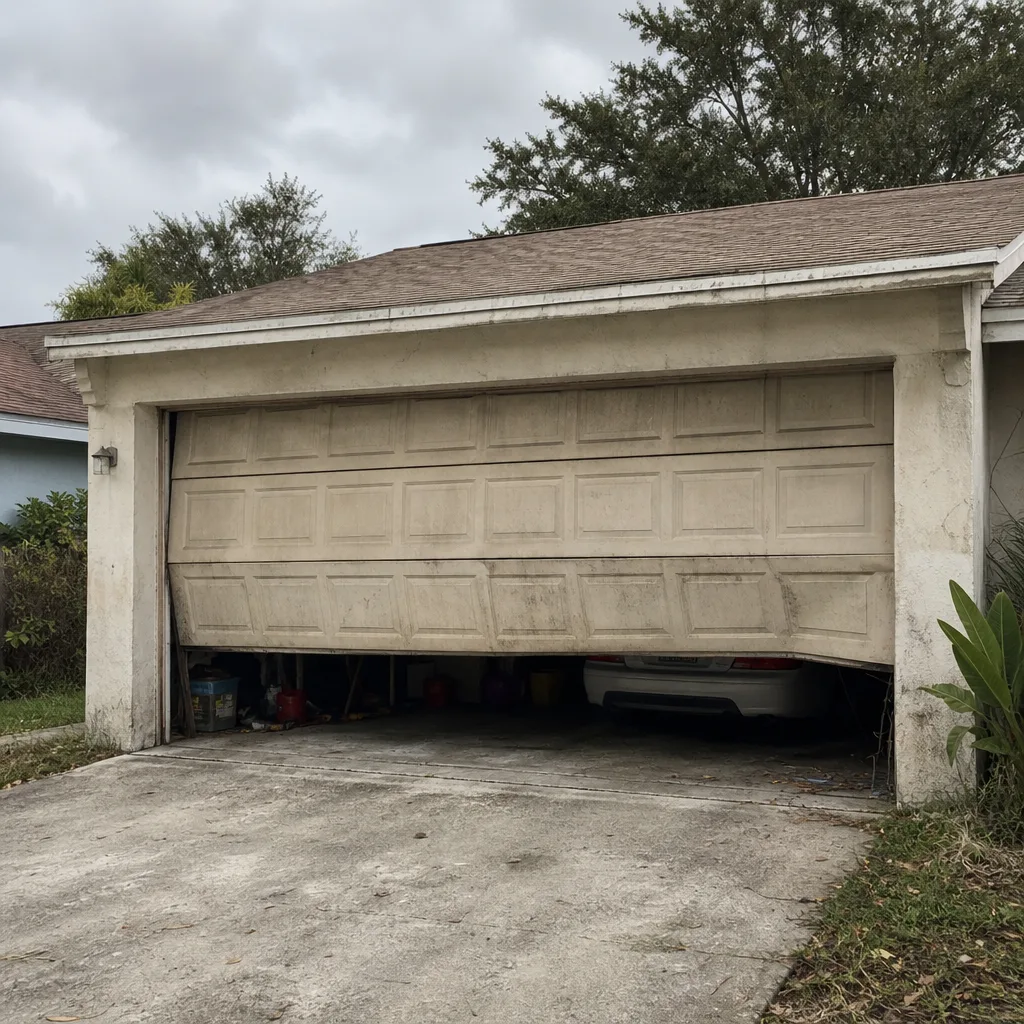 Before
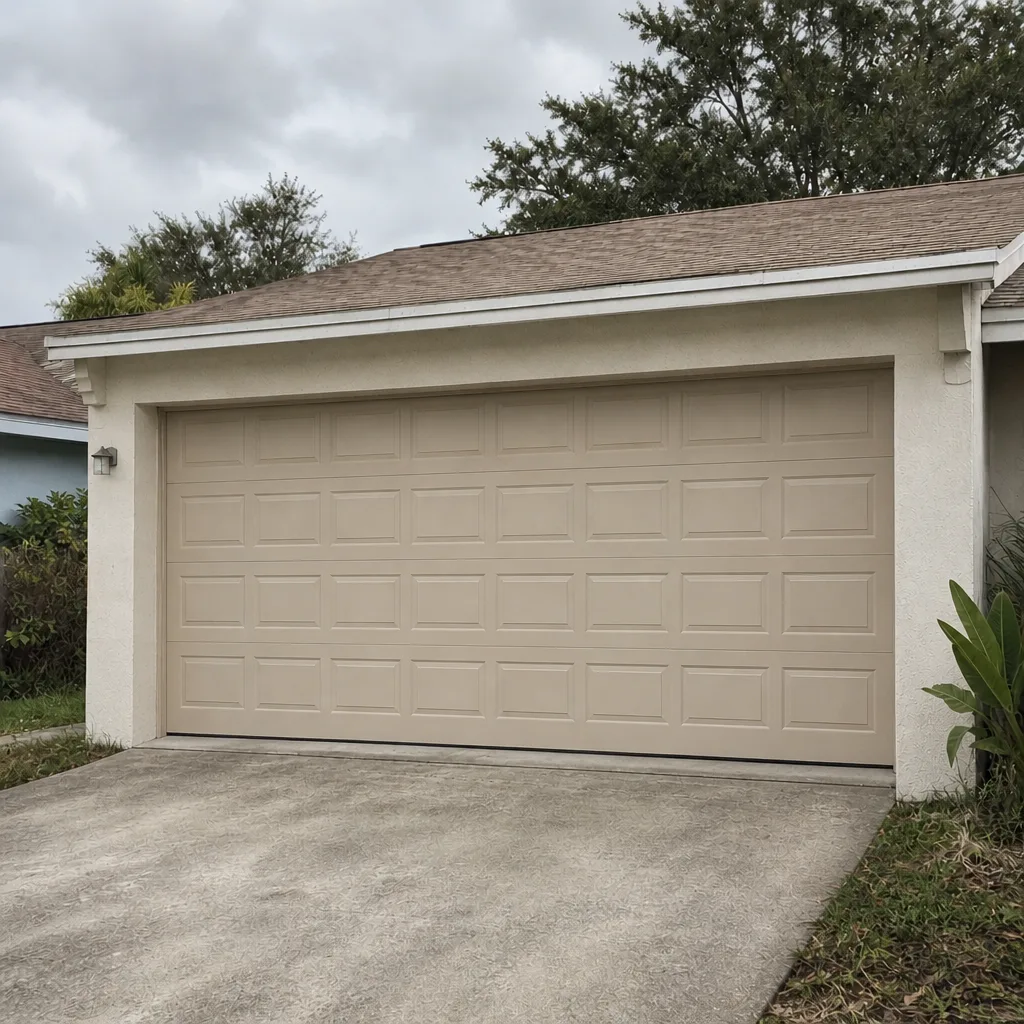 After
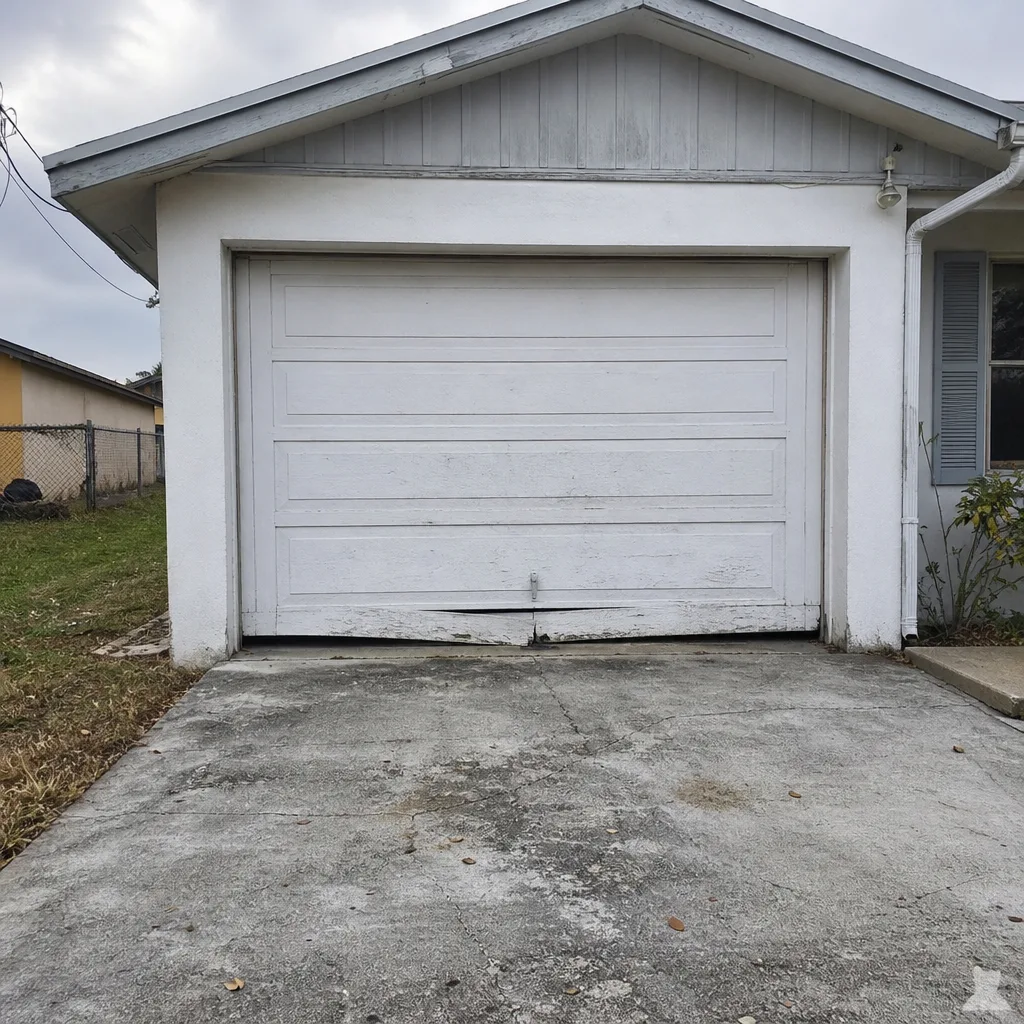 Before
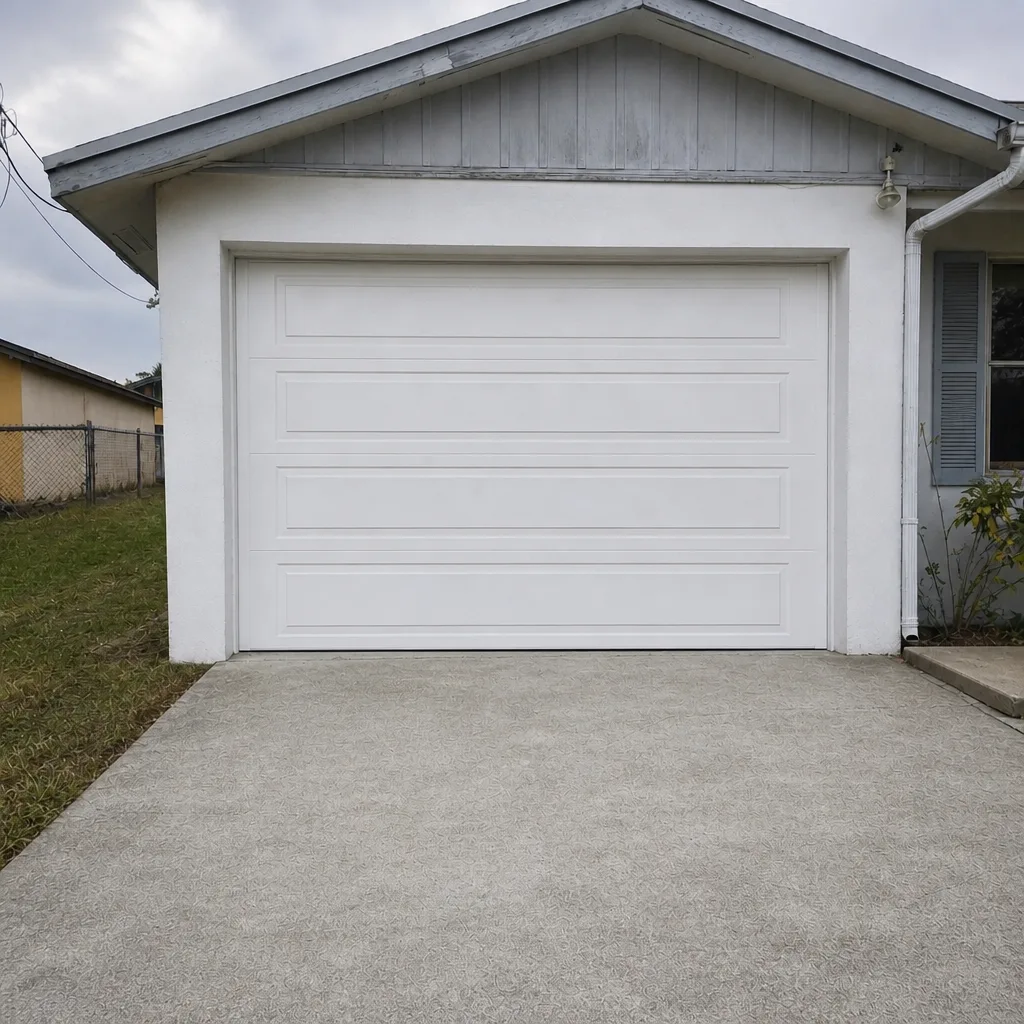 After
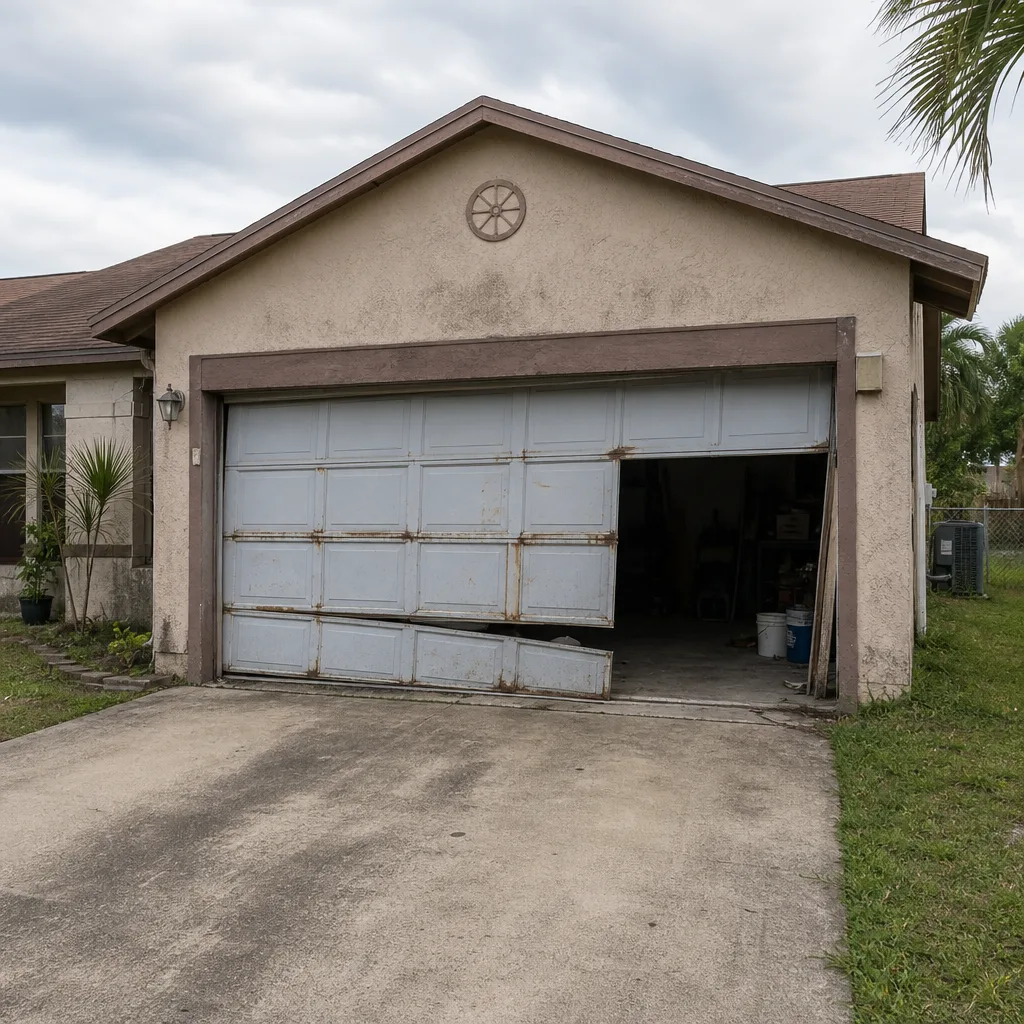 Before
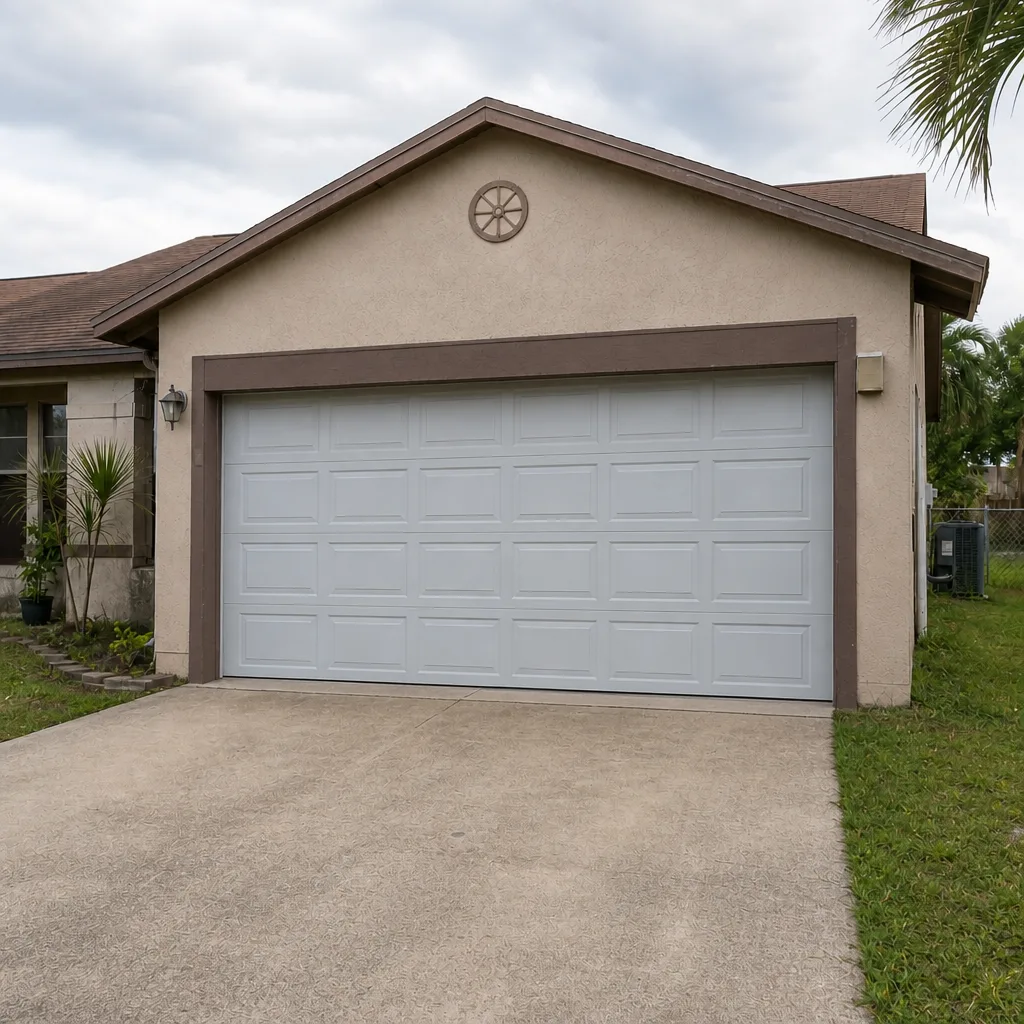 After