
Last updated November 20, 2026
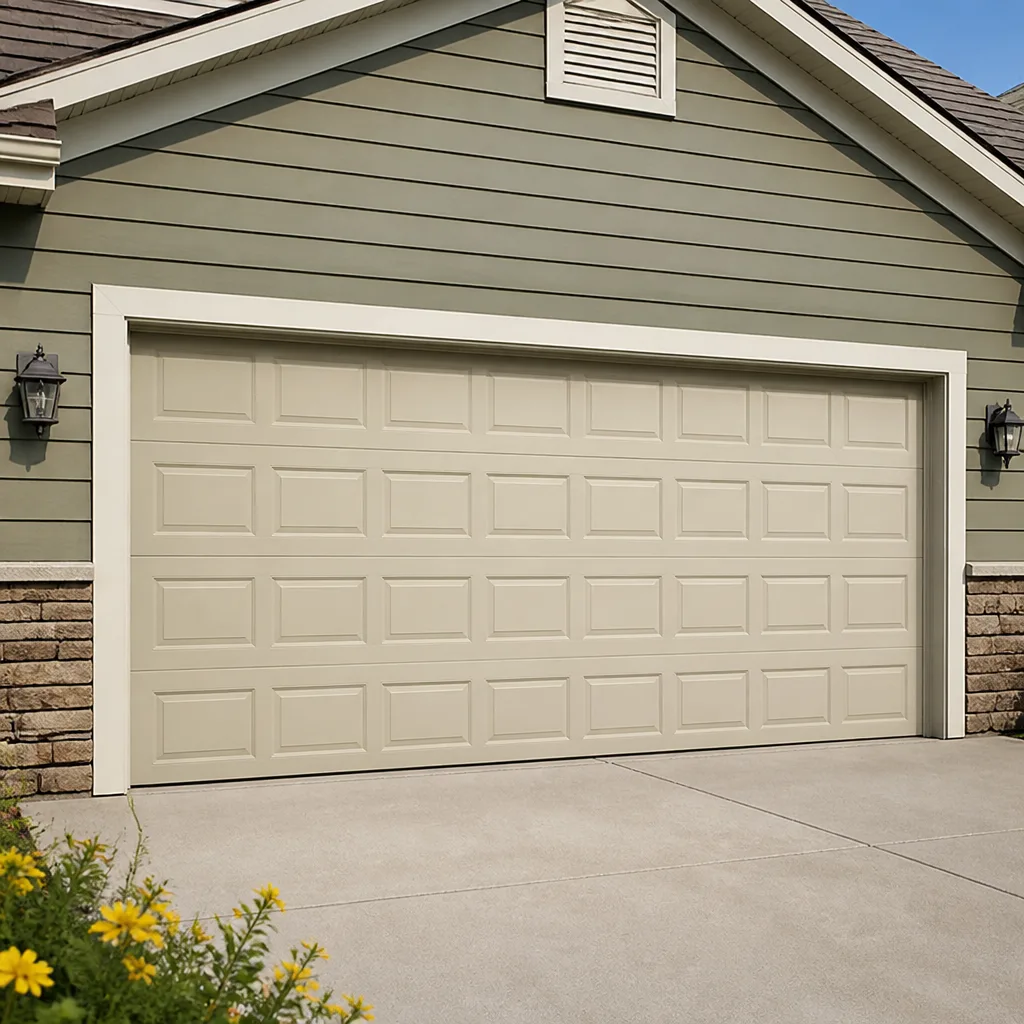 Raised-panel steel
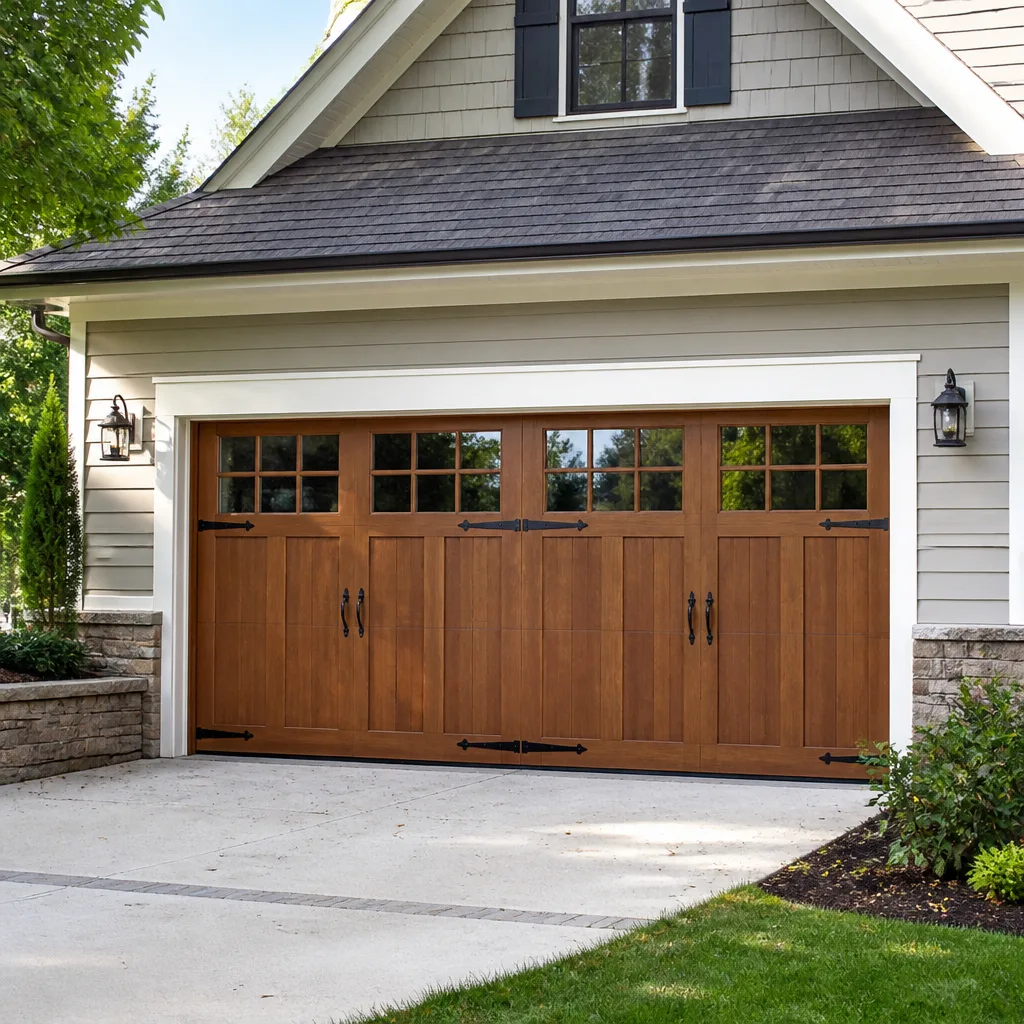 Carriage house
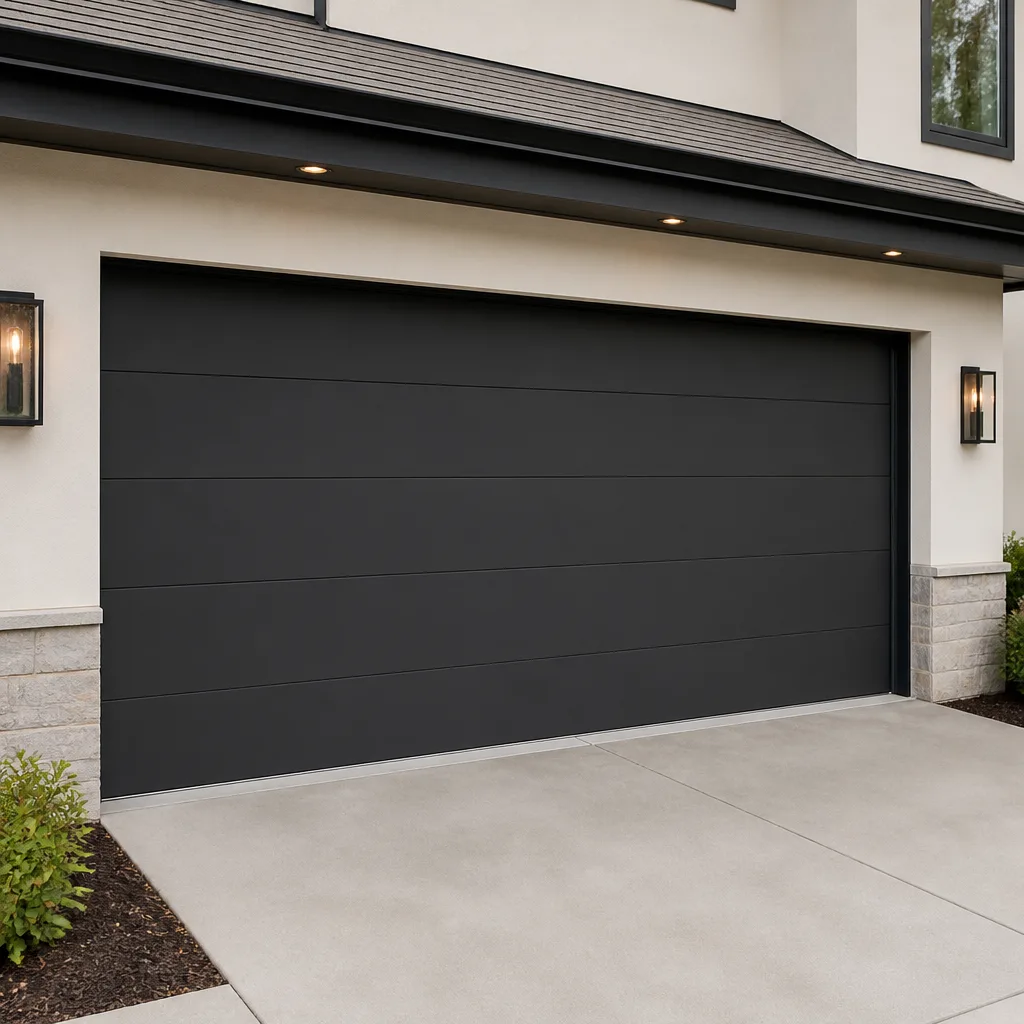 Modern flush
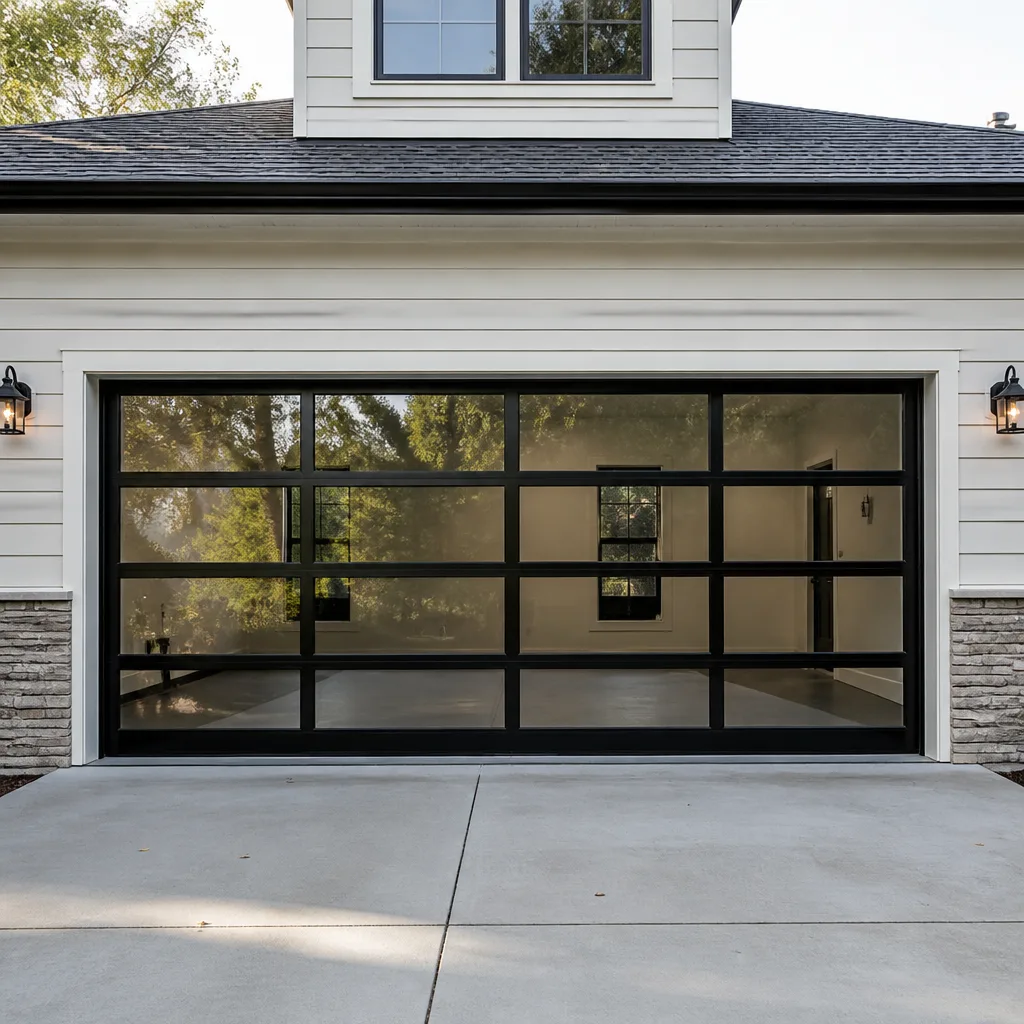 Full-view glass
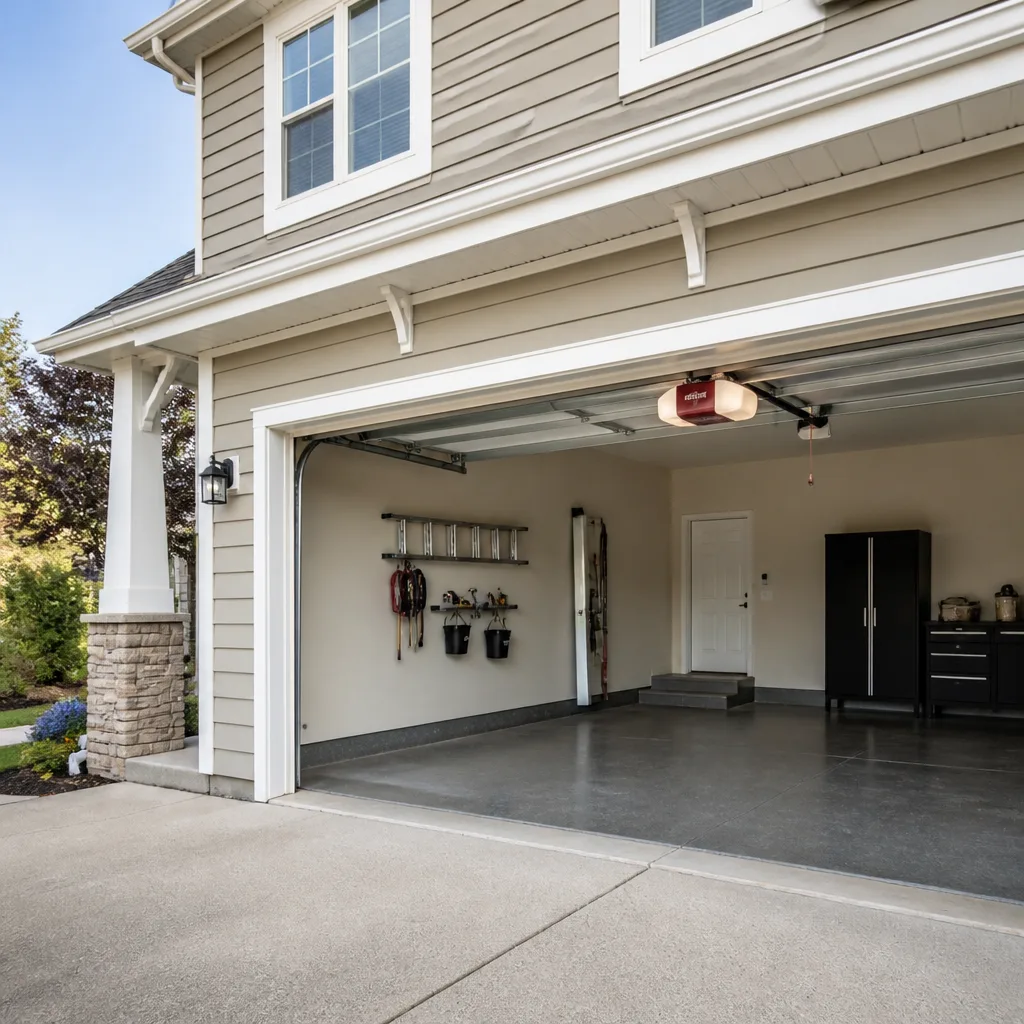 LiftMaster openers
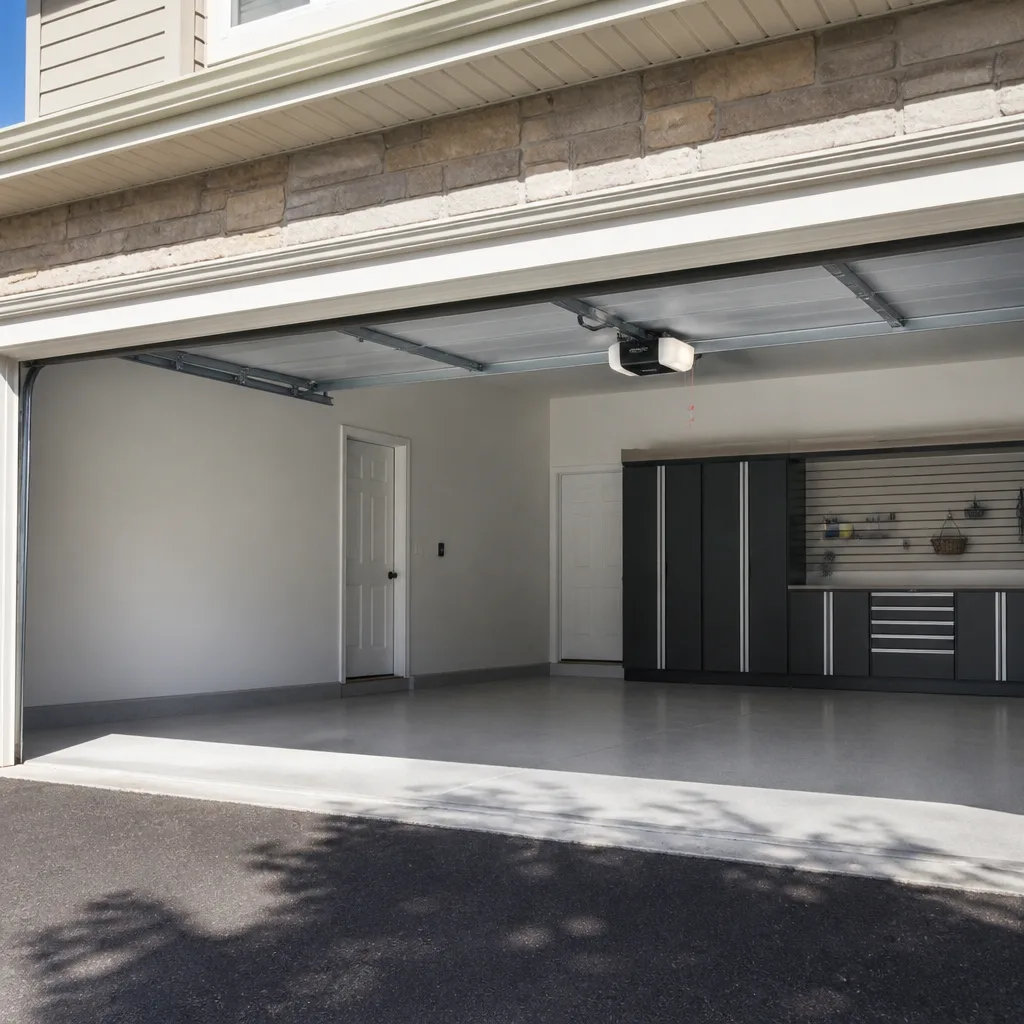 Chamberlain openers
Full 25-point door and opener safety check with every visit - springs, cables, rollers, tracks, and your LiftMaster or Chamberlain opener included
You get a price before we start. It does not change when the pro arrives.
Get your free estimateSeasonal Garage Door Care for Greenacres: Year-Round Homeowner’s Guide
Most garage door advice you’ll find online was written for places with ice, road salt, and a hard freeze that splits wood and stiffens grease. Greenacres doesn’t work that way. Our problem isn’t the cold – it’s the heat, the humidity, and the fact that hurricane season starts on June 1 whether your door is ready or not. That single date reshapes the whole maintenance calendar. This guide walks through the two windows that actually matter here: the pre-season push before June 1, and the dry months from November through April when hardware work is easiest and least urgent. You’ll get specific checks, a heat-related failure mode most checklists ignore, and a post-storm protocol to run even when the door looks perfectly fine.
Quick Answer
Garage door care in Greenacres centers on two windows: prepare the door before June 1 so the bottom seal, track alignment, and spring condition are verified well ahead of hurricane season, and use the dry November-to-April stretch for cable replacement and hardware work. Summer heat cycling – attic temperatures that climb past 140°F – stresses torsion springs in ways cold-climate guides never address, so spring condition deserves a closer look each spring than a northern checklist would suggest.
Styles & brands we work with
- Raised-panel steel
- Carriage house
- Modern flush
- Full-view glass
- LiftMaster openers
- Chamberlain openers
Table of Contents
- Why Greenacres Garage Door Care Doesn’t Follow the Four-Season Calendar
- The Pre-Hurricane Season Checklist: What to Do Before June 1
- How Summer Heat Cycling Affects Torsion Springs
- Post-Storm Inspection: What to Check After Heavy Rain or High Wind
- The Dry-Season Window: Why November Through April Is Best for Hardware Work
- How to Test and Reset a Storm-Knocked Auto-Reverse Sensor
- Humidity, Seals, and the Greenacres Enclosure Problem
- Common Mistakes to Avoid
- When to Call a Professional
- Frequently Asked Questions
Why Greenacres Garage Door Care Doesn’t Follow the Four-Season Calendar
A maintenance guide written in Minnesota organizes everything around winter: lubricate before the freeze, clear snow from the bottom seal, watch for corrosion from road salt. None of that maps onto Greenacres. There’s no freeze to prepare for, no road salt tracking into the tracks, no ice damming at the door threshold. What we do have is a long humid season, an attic that turns into an oven from roughly May through October, and a hurricane season that runs from June 1 through the end of November.
That gives garage door care in Greenacres a different rhythm than the standard four-season model:
- Pre-season window (roughly February through May): the stretch to verify seals, tracks, springs, and the opener before the first named storm threat appears.
- Peak heat season (May through October): the period of hardest thermal cycling on torsion springs, rollers, and opener motors.
- Hurricane season (June 1 through November 30): the months when wind-driven rain and pressure swings test every seal and sensor on the door.
- Dry-season window (November through April): typically the calmest, driest stretch, and the best time for planned cable replacement and hardware work.
Homeowners in neighborhoods like Buttonwood and Sherwood Park are often surprised to learn that the humid season, not the heat alone, does most of the quiet damage. A garage in Greenacres that isn’t well sealed traps moist air against the door’s bottom edge and hardware, and that moisture works slowly on hinges, rollers, and springs long before anything visibly fails.
The practical takeaway: stop thinking in terms of four seasons and start thinking in terms of two service windows. Everything else in this guide builds from that idea.
The Pre-Hurricane Season Checklist: What to Do Before June 1
Quick answer: June 1 is the deadline, not the start line. By the time a storm has a name and a track, every homeowner in Palm Beach County is calling for the same service slot, and the good ones fill first. Getting the checks below done in April or May puts you ahead of that scramble and gives you time to fix anything found.
Here’s what to verify before the first of June rolls around. Most of it takes an afternoon with a flashlight and a level:
- Inspect the bottom seal or weatherstripping. Look for cracks, brittleness, or gaps where daylight shows through under a closed door. A failing bottom seal lets wind-driven rain and humid air straight into the garage. Replace it before the wet season, not during it.
- Check track alignment. Tracks should be parallel and plumb. Run your hand along each rail and look for bends or a section pulling away from the jamb. Misaligned tracks let the door bind and put extra load on the opener during the worst possible months.
- Look at spring condition (visually, from a distance). A torsion spring that shows a visible gap in its coil is broken or failing. Don’t try to adjust springs yourself – that’s the single most dangerous part of the whole system. If anything looks off, stop and get a trained professional out to assess it.
- Test the auto-reverse safety feature. Place a small object like a roll of paper towels on the floor in the door’s path and run the door down. It should reverse on contact. If it doesn’t, the sensor or the opener’s force setting needs attention.
- Clean and lubricate. Wipe down the tracks and apply a proper garage door lubricant to hinges, rollers, and springs. Avoid heavy grease, which attracts grit and gum in humid air.
- Check the opener’s battery backup and manual release. If your opener has a battery backup, confirm it holds charge. Make sure the manual release cord is intact and accessible – if power is out after a storm, that cord is how you get the door open.
We see this every season in Greenacres: the door that “seemed fine” in May is the one struggling to seal in July. Give yourself the buffer.
How Summer Heat Cycling Affects Torsion Springs
Quick answer: A garage attic in Greenacres can climb well past 140°F in summer, then drop into the 80s overnight. That repeated expand-and-contract cycle works hardened steel the same way bending a paperclip back and forth does. Cold-climate guides worry about a spring getting stiff in winter; here the concern is fatigue from near-constant thermal cycling.
A torsion spring stores the energy that makes a heavy garage door feel light. It’s under constant tension, and it has a finite number of cycles in it. Every time the door opens and closes, the spring flexes. In most climates that’s the only stress it sees. In Greenacres, the spring also rides a daily temperature roller coaster through a hot garage attic all summer long.
What that means in practice:
- Springs in Greenacres may fatigue faster than the same spring in a cooler climate, because of the annual heat cycling layered on top of the daily open-close cycles.
- Fatigue often shows up first as a door that suddenly needs more force to lift, or an opener that strains where it used to glide.
- Breakage usually happens under load – a spring can fail mid-cycle, which is exactly why nobody should be standing under a moving door or reaching into the spring assembly.
- A snapped spring leaves the door too heavy to lift safely. Don’t force it with the opener – that can strip the opener’s gears and burn out the motor.
If a torsion spring does break, this is a job for a specialist. Torsion and extension spring work is high-skill and high-safety – the wound spring holds serious stored energy, and a wrong adjustment can release it. When a spring fails, the right move is to stop using the door and get a trained technician out for garage door spring repair. Our technicians have up to 10 years of experience with both torsion and extension systems, and spring work is a core service for us, not something referred out.
For homeowners who want to stay ahead of it: have the springs looked at each pre-season window, especially if the door has been through a few hot summers in Greenacres.
Post-Storm Inspection: What to Check After Heavy Rain or High Wind
Quick answer: Run a short inspection after any significant rain or wind event, even if the door looks fine and opens normally. Storms knock tracks out of alignment, push sensors out of position, and stress seals in ways that don’t show up until the next hard downpour.
Wind doesn’t have to be at hurricane strength to move a garage door’s hardware. A strong afternoon squall can flex a door panel, rattle a sensor, or shift a track by a fraction of an inch – enough to cause trouble later. Here’s the protocol we suggest running after a heavy event:
- Open and close the door once and listen. Grinding, squealing, popping, or a door that hesitates mid-travel all point to a track or roller issue the storm surfaced.
- Check the auto-reverse sensors. Confirm both sensors are aimed at each other and the indicator lights are steady, not blinking. A sensor knocked out of alignment by pressure changes or debris is one of the most common post-storm problems. (See the reset section below.)
- Inspect the door panels for dents, buckling, or a panel that no longer sits flush. Storm-driven debris and impact damage are the usual culprits; hail is uncommon enough here that we rarely see it as the cause.
- Examine the bottom seal and perimeter weatherstripping for tears or sections pulled loose. Water that got driven under the door will show as dampness on the garage floor.
- Look for water inside the garage near the door threshold and around the tracks. Standing moisture is a sign the seal failed under wind-driven rain and needs replacing before the next event.
- Test the opener’s response from a distance. If it intermittently fails to respond, the storm may have affected the sensor wiring or the opener’s logic board.
If anything in that list looks wrong – a bent track, a panel that won’t sit flush, a door that binds – that’s a call to a professional. A quick garage door repair visit now is far cheaper than a bent panel or a stripped opener later.
The Dry-Season Window: Why November Through April Is Best for Hardware Work
Quick answer: The stretch from November through April is typically the calmest and driest part of the year in Greenacres, which makes it the ideal window for planned work: cable replacement, roller and hinge upgrades, and any hardware fixes you’ve been putting off. Doing this work now means the door is ready when June 1 comes around again.
Cables and hardware don’t usually fail without warning. They wear. Cables fray, rollers flatten, hinges loosen. Left alone, that wear turns into a snapped cable or a door that comes off its tracks – but caught early, it’s straightforward preventive work.
The dry months give you three advantages:
- Less moisture in the air. New seals and hardware settle in during the dry stretch instead of being tested immediately by humid-season rain.
- A non-urgent time to schedule. Getting planned cable or roller work done in the dry window frees up your attention for the pre-season push come spring.
- A natural inspection point. A technician looking at the door during the dry season can flag what’s likely to fail before hurricane season, so you have time to act.
Here’s what’s typically worth planning into the dry-season window:
- Cable inspection and replacement. A frayed or kinked cable is a safety issue – don’t wait for it to snap. Replacement is routine work for a trained technician and far safer than a mid-storm failure.
- Roller and hinge upgrades. Worn nylon rollers and loose hinges cause noise and wear on the tracks. Replacing them during the calm months is easy scheduling.
- Weatherstripping and bottom seal refresh. Get the seals renewed before the wet season stresses them again.
- Opener motor and logic board service. If your opener has been sluggish in the heat, a trained technician can inspect the motor, gearing, and logic board. Our garage door opener repair covers all the major smart and legacy systems, so whatever brand is on your home – LiftMaster, Chamberlain, Genie, or Craftsman – one call handles it.
Treat the dry season as the planning window and June 1 as the deadline. That’s the whole schedule.
How to Test and Reset a Storm-Knocked Auto-Reverse Sensor
Quick answer: If the door won’t close and the opener’s light is blinking, a sensor is out of alignment. Wipe both lenses, check that the brackets are snug, and aim the two sensors back at each other until both indicator lights are steady. Then test the auto-reverse with a small object in the door’s path before you trust it again.
The auto-reverse sensor is a pair of eyes – one on each side of the door – that detects anything in the door’s path and tells the door to reverse. Pressure changes from a storm, or debris driven under the door, can knock one sensor a few degrees out of alignment. The result: the door opens fine but refuses to close, or closes partway and reverses for no obvious reason.
Here’s the reset process, in order:
- Clear the path. Make sure nothing – a leaf, a toy, a store-bought obstruction – is sitting in front of either sensor.
- Wipe both sensor lenses with a soft cloth. Dust and moisture film can dim the beam.
- Check that both sensors point at each other. The brackets can work loose after wind. Snug them if they’re loose, but don’t over-tighten.
- Aim them carefully. Adjust the sensor (many have a small thumbscrew) until both indicator lights come on steady. A blinking light means the pair isn’t communicating.
- Test the auto-reverse. Place a small roll of paper towels or similar object in the door’s path and run the door down. It should reverse the moment it makes contact. Repeat a couple of times from different spots to be sure.
If the sensor won’t stay steady, or the door reverses for no reason even after a careful reset, the issue may be wiring or the opener’s logic board. That’s not a homeowner fix. Our garage door opener repair technicians work on LiftMaster, Chamberlain, Genie, and Craftsman systems and can sort it out. Same-day help is often available – call (844) 493-3637 and we’ll get a technician out. We answer 24/7, with fast dispatch from 7am to 7pm.
Humidity, Seals, and the Greenacres Enclosure Problem
Quick answer: A garage door that doesn’t seal properly lets humid Greenacres air inside all season long. That moisture attacks hinges, rollers, and spring hardware, and it’s why the bottom seal and perimeter weatherstripping are the parts of the door to check most often in this climate.
In a dry climate, a small gap at the bottom of the door means a little dust gets in. In Greenacres, that same gap lets moisture in – and once the garage is closed, the moisture has nowhere to go. It settles on steel hardware, works into the hinges, and quietly accelerates rust and wear. The door looks fine from the outside the whole time.
The enclosure problem compounds in summer: during the day the garage heats up, then at night it cools, and that cycle pulls moist air in through whatever gaps the seals leave. Over a season, that’s a lot of exposure.
What to check, and how often:
- Bottom seal: inspect every few months. Look for cracking, brittleness, or visible daylight under a closed door. Replace it as soon as it shows wear.
- Side and top weatherstripping: check at the same time. Torn or pulled-loose stripping is a common water entry point.
- Track fasteners: check for loose brackets, which can let the door lose its flush fit against the jamb.
- Hinges and rollers: lubricate with the right garage door lubricant and look for rust that suggests trapped moisture.
Getting the enclosure right pays off twice: a drier garage, and less wear on every piece of hardware.
Common Mistakes to Avoid
- Waiting until a named storm is near. By then the whole county is calling at once. Get the pre-season checks done in April or May, before June 1, when you still have flexibility on timing.
- Trying to adjust or replace torsion springs yourself. Torsion springs store serious energy, and a wrong move can release it violently. This is the one part of the door to leave entirely to a trained technician.
- Using heavy grease on the tracks. In humid Greenacres air, heavy grease attracts grit, gums up, and does more harm than good. Use a proper garage door lubricant instead.
- Ignoring a door that “still works.” A door that grinds, hesitates, or closes unevenly is already telling you something’s worn. A small repair now beats a mid-season failure.
- Skipping the post-storm inspection. A door that opens fine after a squall can still have a knocked sensor or a misaligned track. Run the short checklist anyway.
- Reforcing a door with a broken spring using the opener. A snapped spring makes the door too heavy to lift; running the opener on it strips gears and burns out the motor. Stop using the door and get help.
- Letting a bad bottom seal ride all season. That gap lets in the humidity that slowly wears the whole system. Replace it before the wet season.
When to Call a Professional
Some of this guide you can do yourself: a visual check, a sensor reset, a wipe-down of the tracks, a lubrication. But call a professional for any of the following:
- A broken or visibly failing spring – never touch a torsion spring yourself.
- A door that won’t lift after a spring breaks, or an opener that strains under a too-heavy door.
- Visible cable fraying, or a cable that has come off its drum.
- A door that’s come off its tracks or won’t sit flush.
- A sensor or opener problem that won’t resolve after a careful reset.
- Any panel or hardware damage from a storm event.
Greenacres Garage Door Repair Pros offers free estimates in Greenacres – call (844) 493-3637. We answer 24/7, with fast dispatch from 7am to 7pm. Our technicians have up to 10 years of experience, and spring repair is done in-house as a core service. We work on the brand already on your home – Clopay, Amarr, Wayne Dalton, Craftsman, and the major opener brands – and we’ll always fix it first and recommend replacement only when it’s truly necessary.
Frequently Asked Questions
Before June 1 – ideally in April or May. Hurricane season starts June 1, and once a storm has a name and a track, every homeowner in the area is trying to book the same service slot. Doing the checks in the spring gives you time to fix anything you find and keeps you out of the last-minute scramble.
In Greenacres, garage attics can climb past 140°F in summer and drop back into the 80s overnight. That daily expand-and-contract cycle fatigues spring steel on top of the normal open-and-close cycling a spring already sees, so a spring here may fatigue sooner than the same spring in a cooler climate. That’s why spring condition deserves a careful look each spring. Call (844) 493-3637 for an exact quote on spring inspection – estimates are free.
Run a short inspection: open and close the door once and listen, check that the auto-reverse sensors are aimed and steady, look for dents or buckling in the panels, check the bottom seal and weatherstripping for tears, and look for water inside the garage. A door can open fine after a storm and still have a knocked sensor or a misaligned track.
Yes – it’s the ideal window for planned hardware work. Cable replacement, roller and hinge upgrades, and weatherstripping refresh all go more smoothly in the calm dry months, and getting them done then leaves you ready for the next June 1. If you’ve heard grinding, squealing, or a door that hesitates, this is the time to have it looked at.
Often, yes. Same-day service is available for urgent repairs. Call (844) 493-3637 – we answer 24/7, with fast dispatch from 7am to 7pm, Sunday through Friday. A call outside dispatch hours is booked into the next opening, so you’ll know exactly when a technician is coming.
No – the price is quoted and agreed before any work starts, and the written estimate sets the final price. The estimate itself is free, so you’ll know what the repair costs before anyone touches the door. Call (844) 493-3637 for an exact quote.
The Bottom Line
Garage door care in Greenacres doesn’t follow the four-season playbook. Think in two windows: prepare before June 1, so your seals, tracks, springs, and opener are verified ahead of hurricane season, and use November through April for planned hardware work and cable replacement. Keep an eye on your torsion springs through the hot months, since heat cycling here lays on fatigue that cold-climate guides don’t account for. Run the post-storm inspection even when the door looks fine. And leave spring and cable work to the professionals who do it safely. That’s the whole schedule, and it holds up year after year.
If any part of your door needs attention, Greenacres Garage Door Repair Pros is one call away. We focus on three things – garage door repair, opener repair, and spring repair – so you get a specialist, not a generalist. Call (844) 493-3637 for a free estimate. We answer 24/7, with fast dispatch from 7am to 7pm, Sunday through Friday.
Written by the team at Greenacres Garage Door Repair Pros.
See the difference
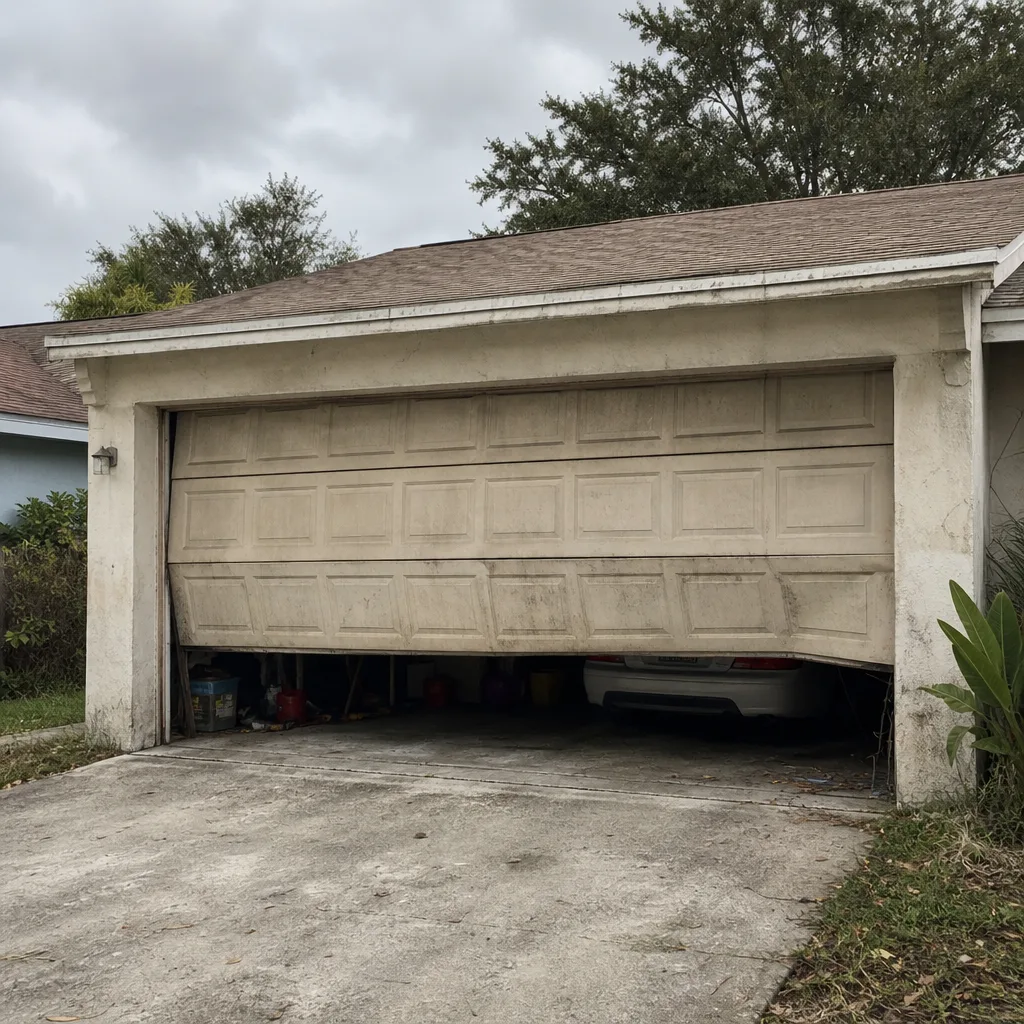 Before
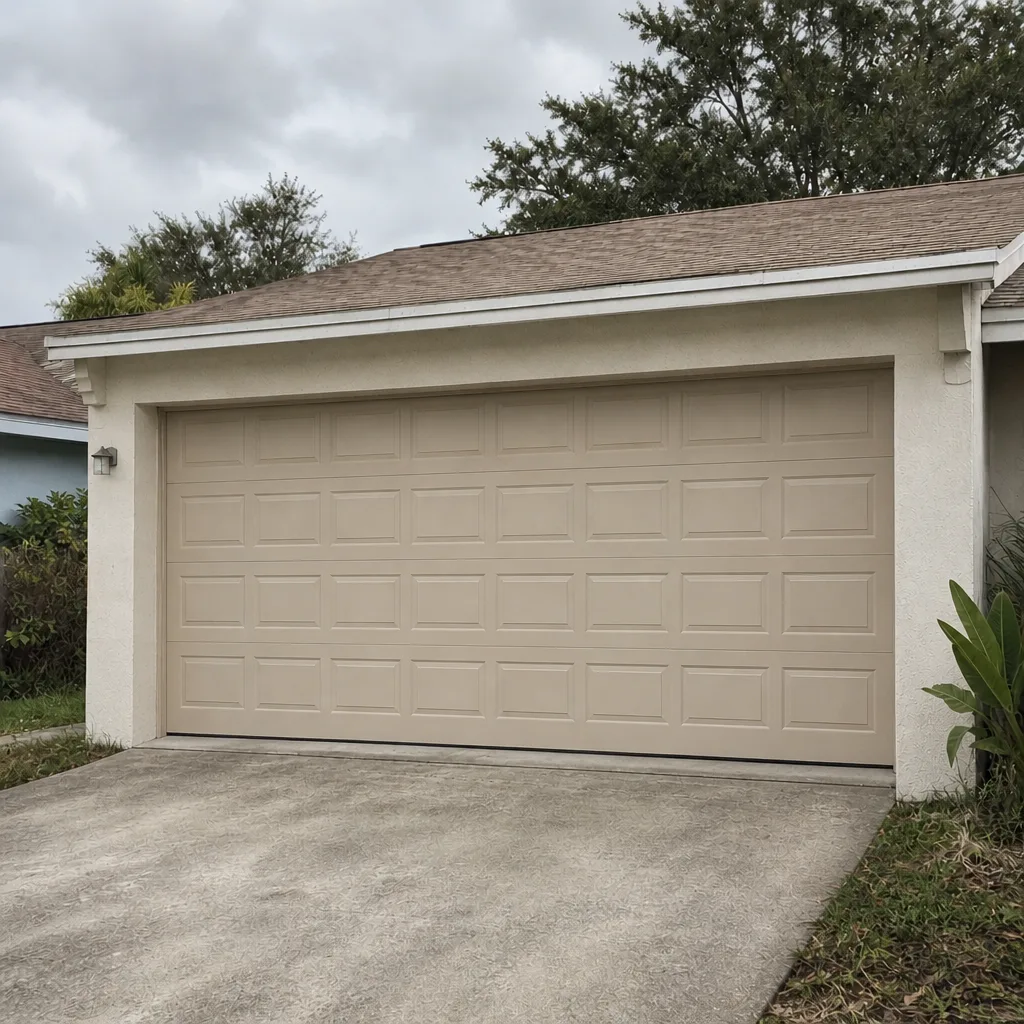 After
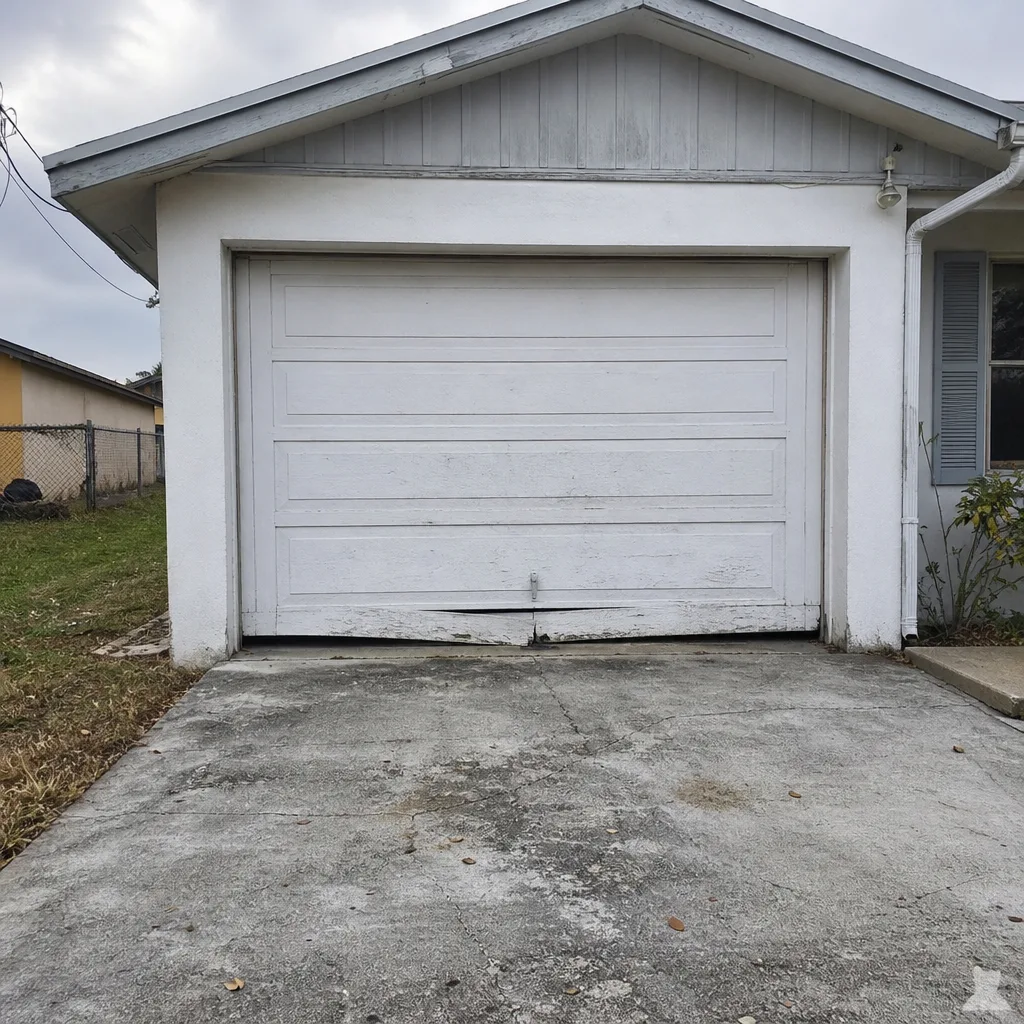 Before
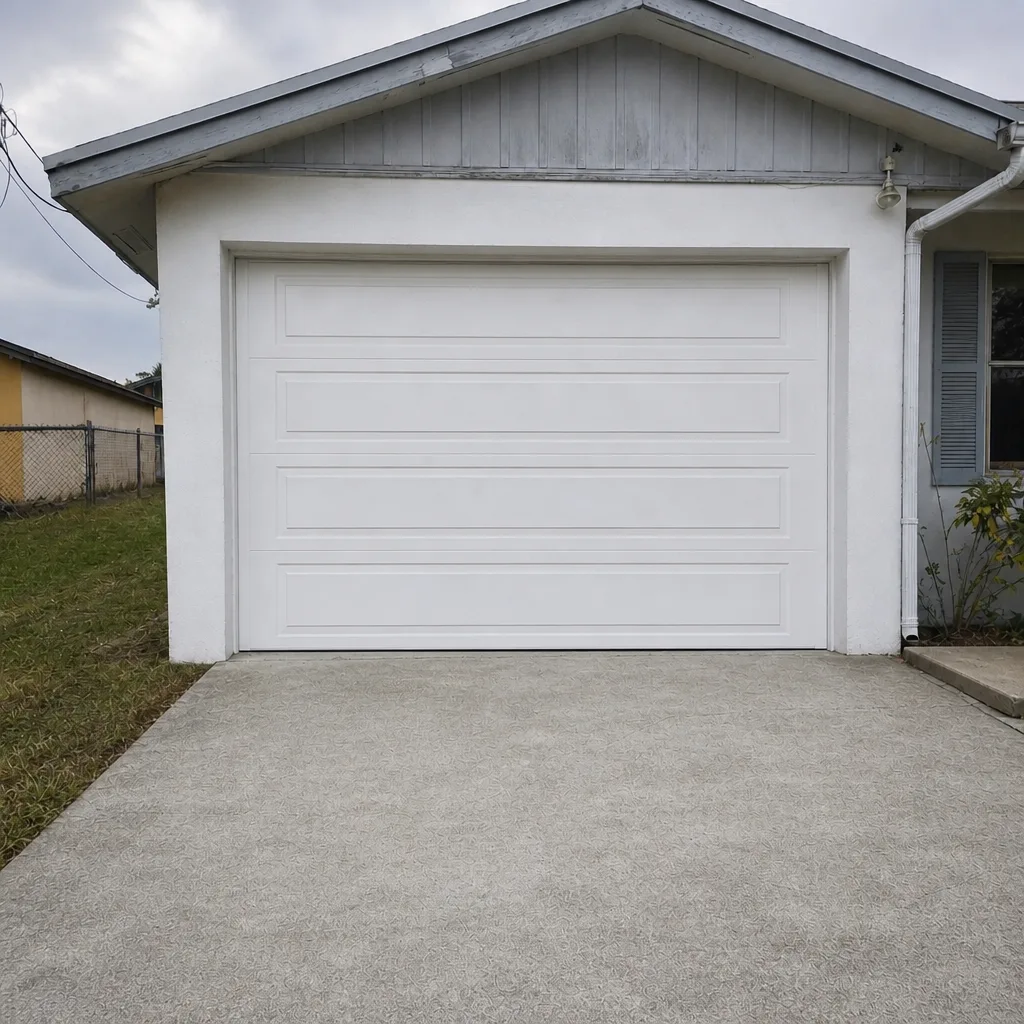 After
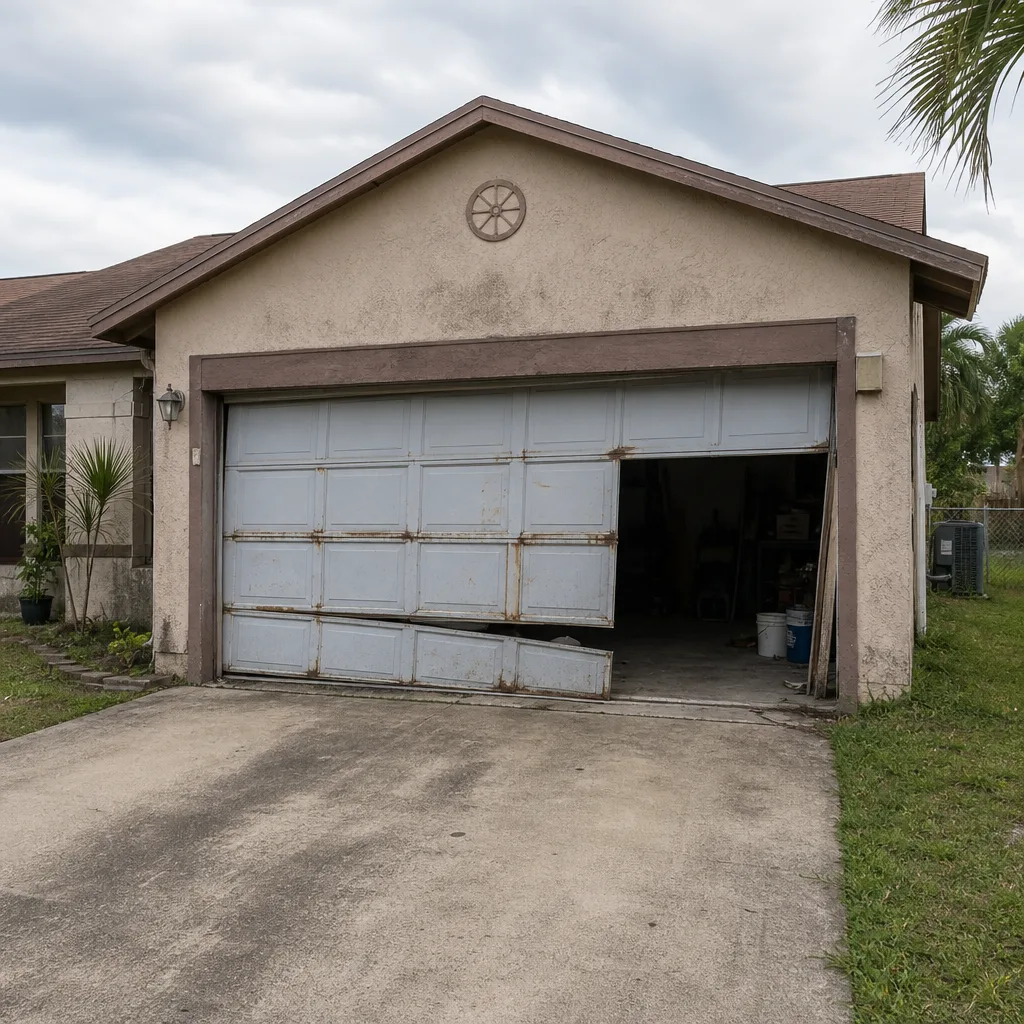 Before
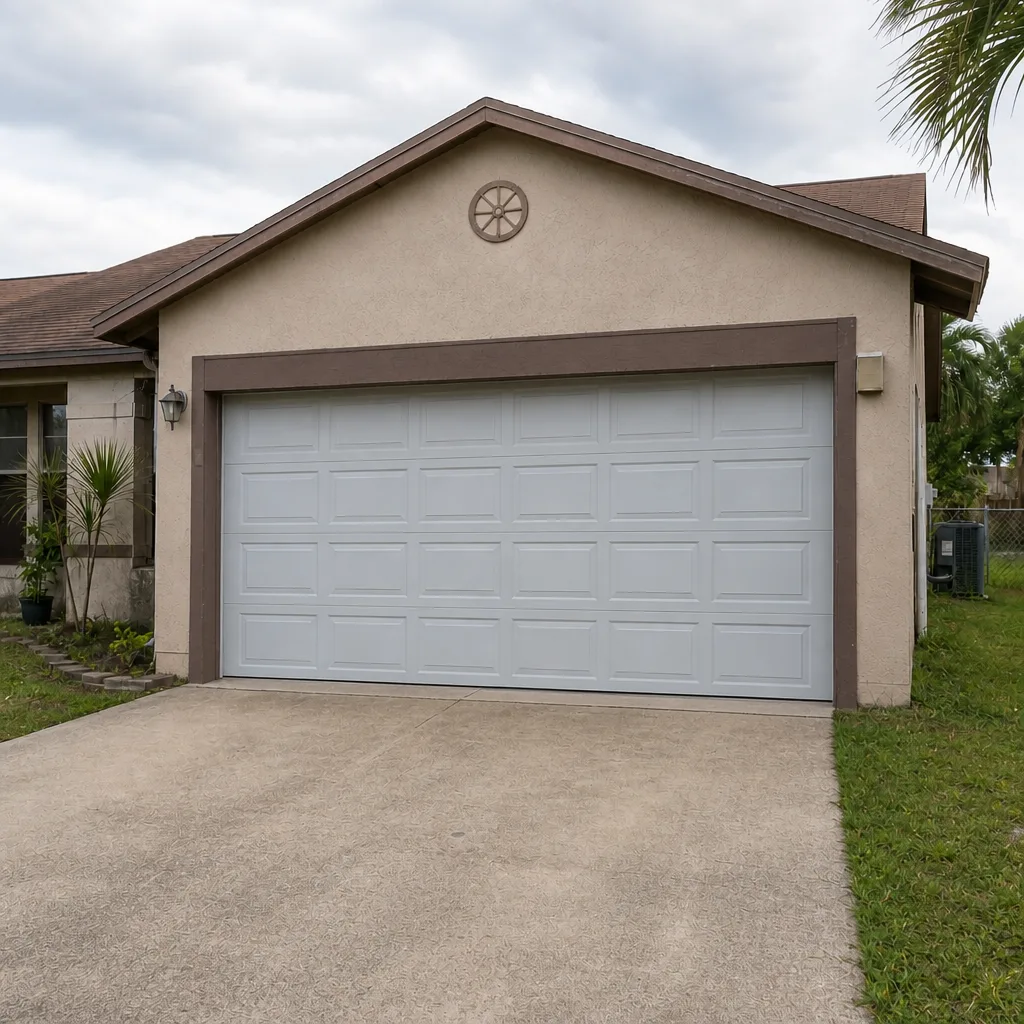 After