
Last updated November 20, 2026
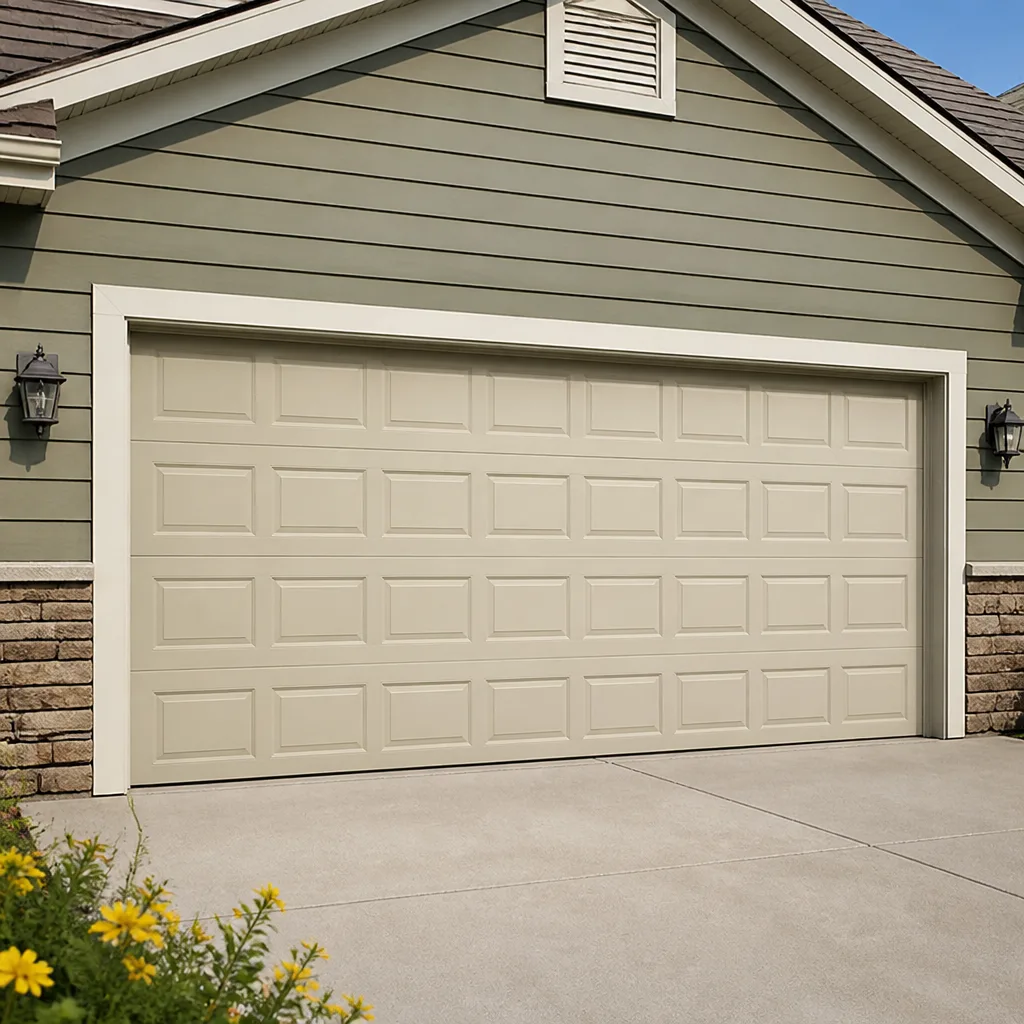 Raised-panel steel
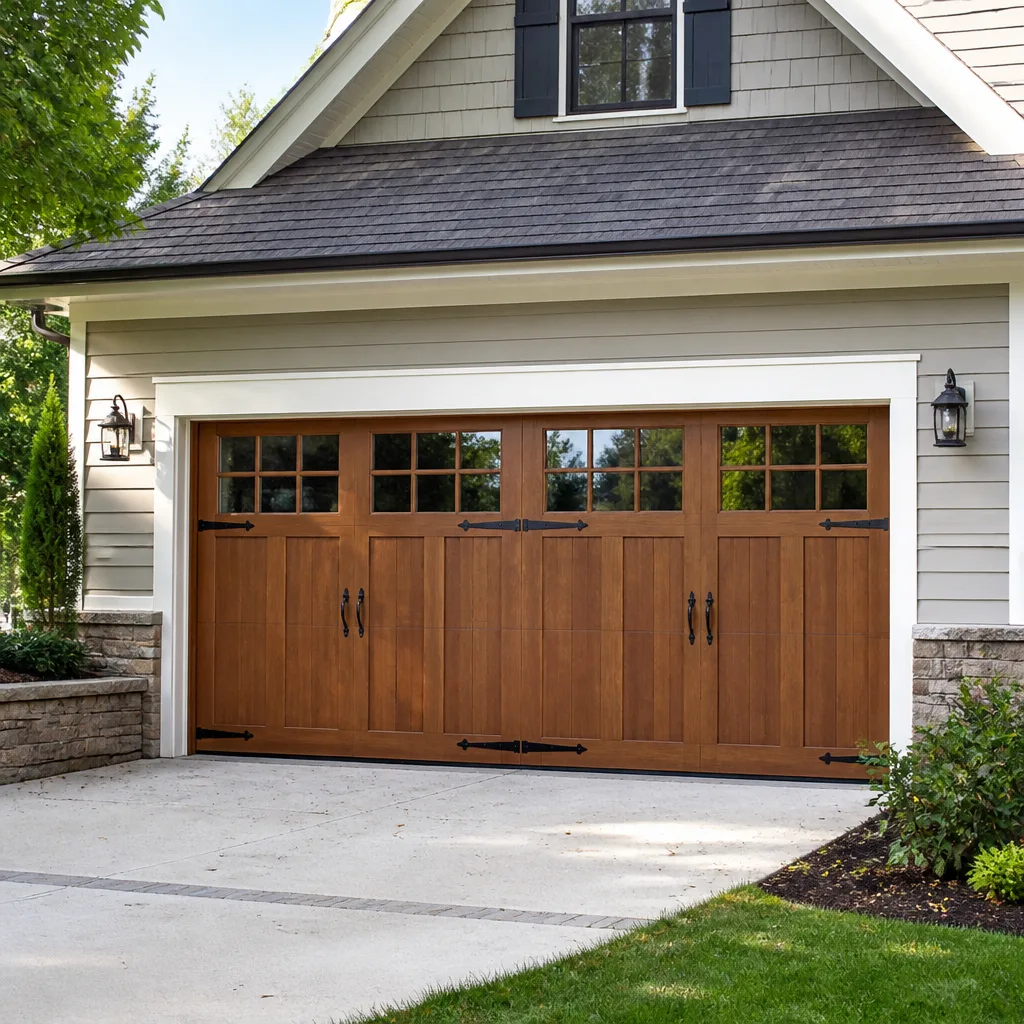 Carriage house
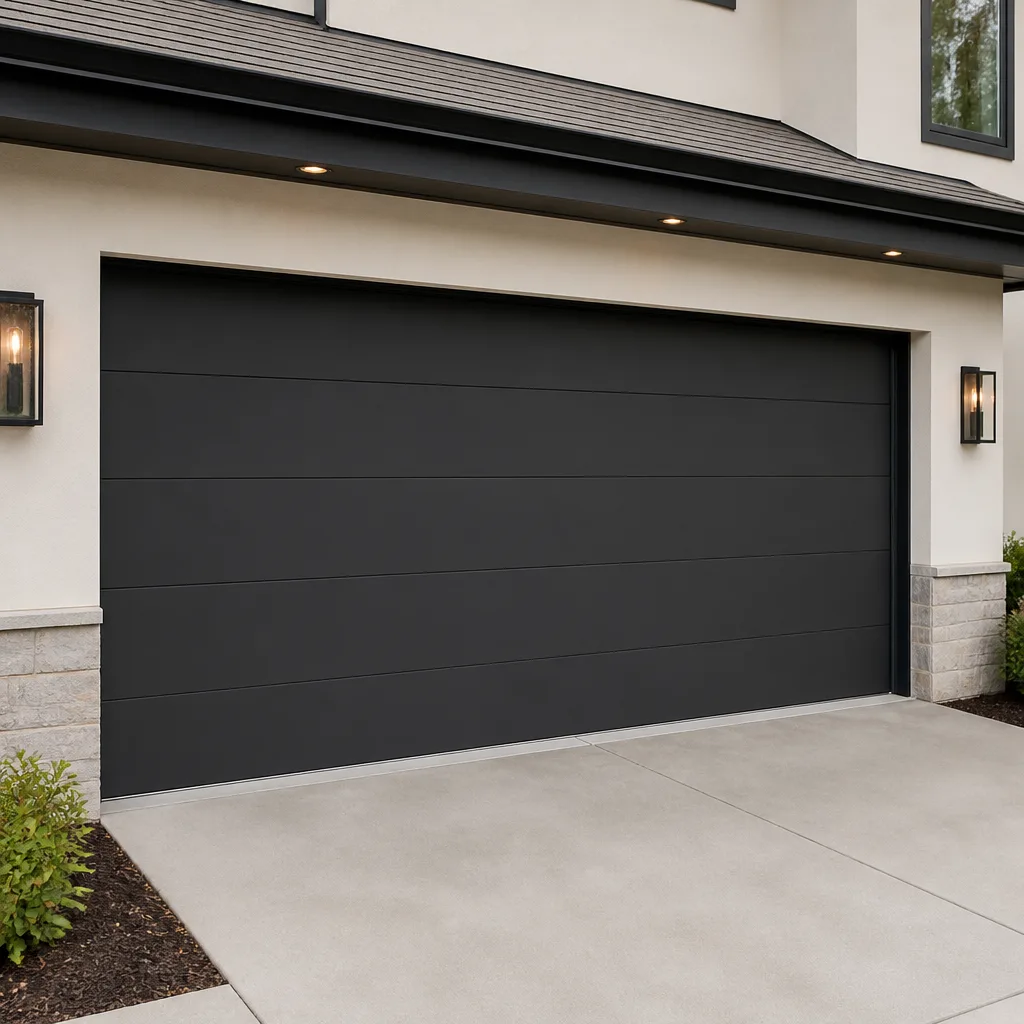 Modern flush
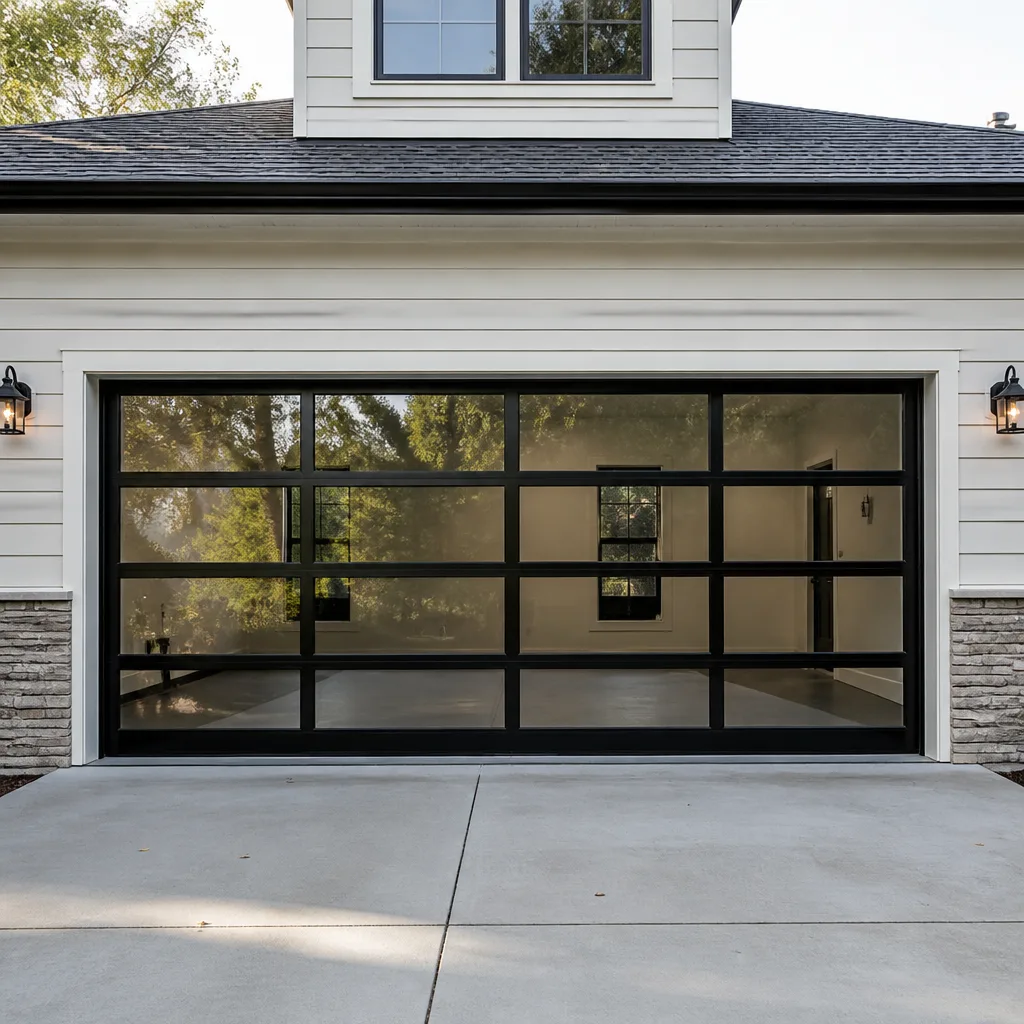 Full-view glass
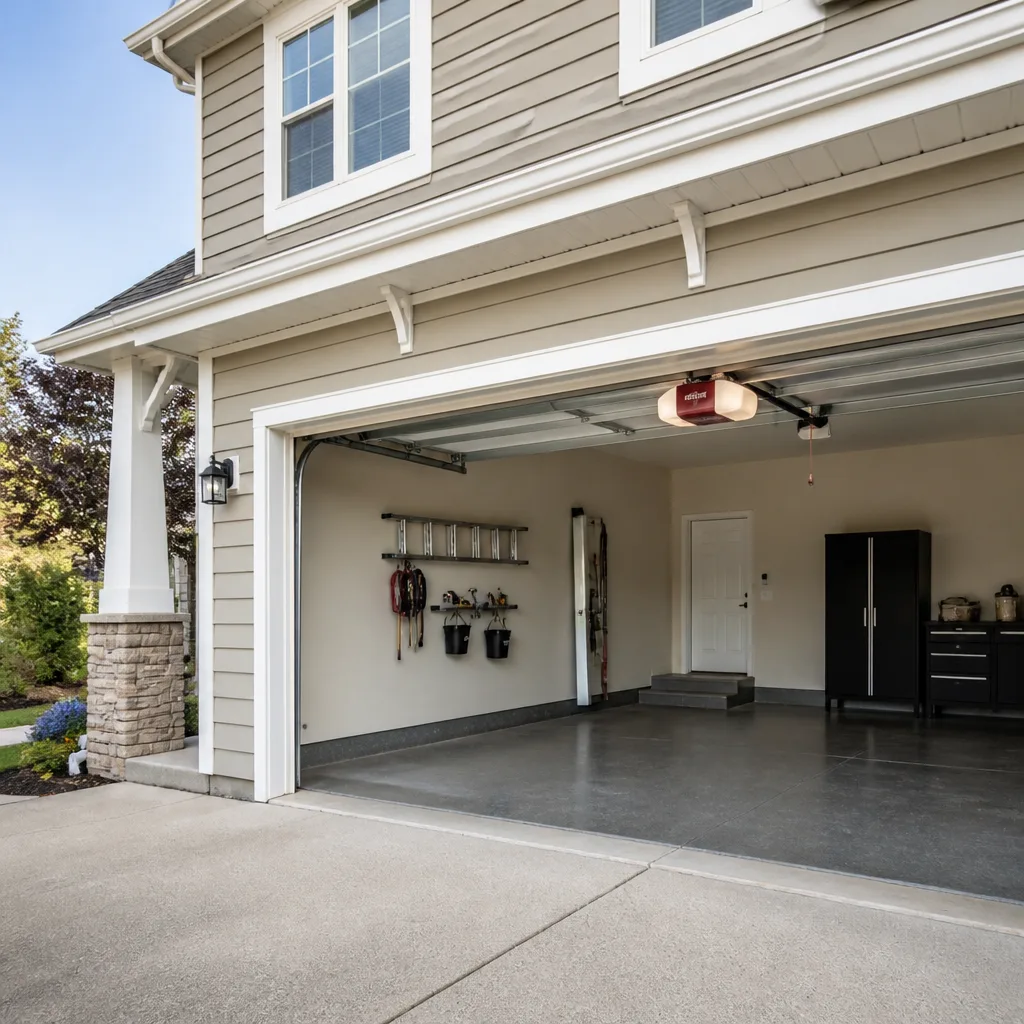 LiftMaster openers
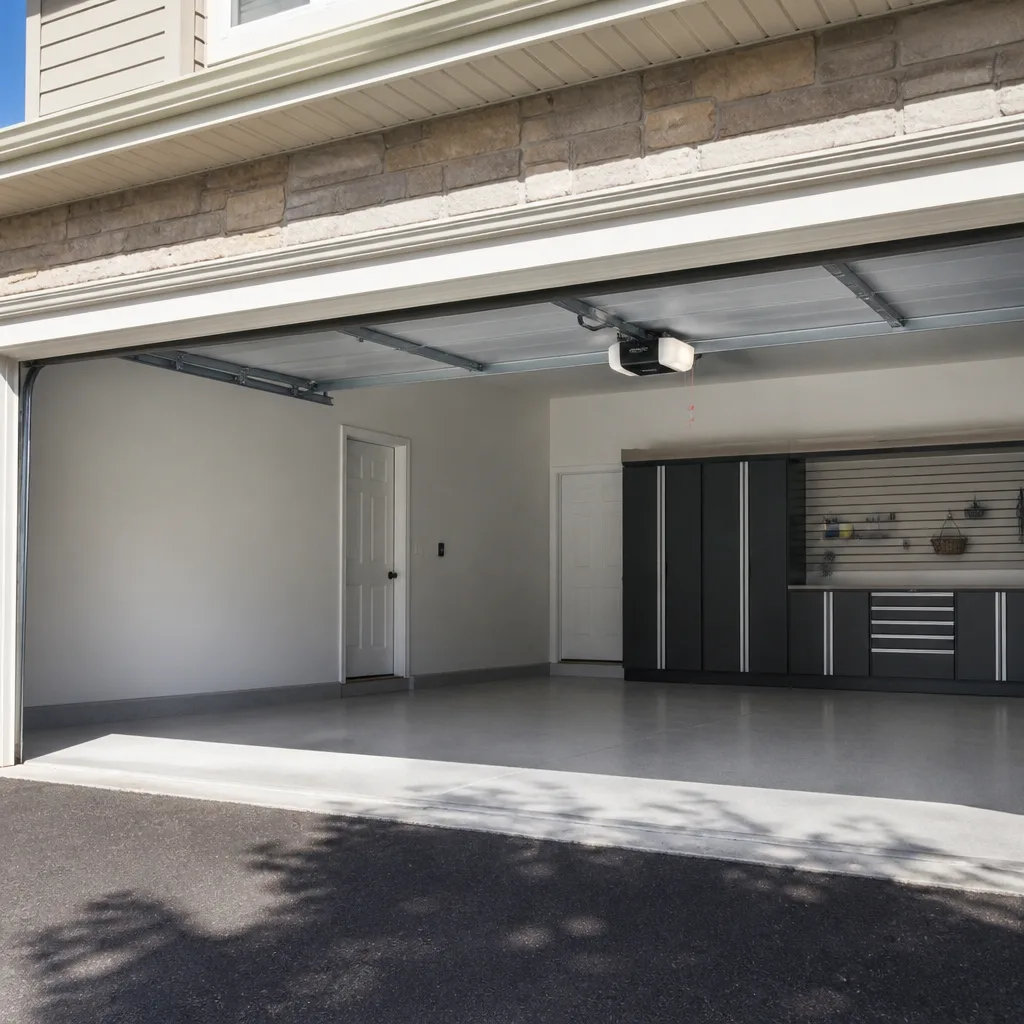 Chamberlain openers
Full 25-point door and opener safety check with every visit - springs, cables, rollers, tracks, and your LiftMaster or Chamberlain opener included
You get a price before we start. It does not change when the pro arrives.
Get your free estimateGarage Door Warning Signs: A Greenacres Homeowner’s Reference Guide
A grinding noise and a scraping noise coming from the same garage door mean two entirely different things, involve two different components, and call for two different responses. Most homeowners lump both into “garage door noise” and wait, which is exactly how a cheap fix becomes an expensive one. Every failing garage door we look at in Greenacres was sending signals for weeks – through sound, movement, and the way the panels sit when the door is down. The problem is that most people don’t have a reference point for what normal sounds and looks like. This guide gives you that reference point, organized by the component producing the signal. You’ll learn to tell a worn roller from a failing spring, a tired opener from a misaligned track, and – most importantly – which warnings mean stop using the door today versus which mean book a repair this week.
Quick Answer
A garage door that grinds, scrapes, pops, or clicks is warning you that something is worn, loose, or misaligned – and the sound itself tells you which part. If you hear a loud bang followed by a door that won’t lift, a spring has failed and you should stop using the door immediately. Slow, drifting, or uneven movement points to opener or balance problems that should be repaired within days, not months. Most of these failures are fixable in a single visit when caught early.
Styles & brands we work with
- Raised-panel steel
- Carriage house
- Modern flush
- Full-view glass
- LiftMaster openers
- Chamberlain openers
Table of Contents
- Sound-Based Diagnosis: What Each Noise Tells You
- Visual Signs of Spring Wear You Can See From the Floor
- Movement Warnings: Drift, Judder, and Uneven Panels
- Opener Behavior Flags: Slow Travel and Silent Motors
- Stop-Using-Immediately Warnings vs. Repair-This-Week Warnings
- Why Greenacres Heat Accelerates Wear
- What a Professional Check Covers
- Repair or Replace? How to Decide
Sound-Based Diagnosis: What Each Noise Tells You
The noise your garage door makes is diagnostic information, and the component it comes from decides what needs to happen next. A well-running door is quiet and steady. Any new sound, especially one that repeats every cycle, means something has changed in the system, and it’s rarely the door itself. Use this index to sort out what you’re hearing.
Grinding
Grinding usually comes from metal-on-metal contact, most often worn rollers seizing up in their tracks or dry hinges binding at the panel joints. On a LiftMaster or Chamberlain opener, grinding can also come from the motor’s gear assembly if the door feels sluggish. Grinding rarely means the system is about to fail. It does mean parts are being scraped flat and will eventually need replacing along with whatever they’re wearing against.
Scraping
Scraping means something is physically dragging against another surface. The usual suspects are a bent track that forces the door panel to rub the jamb, or a panel that has been knocked out of true and is now pinching against the frame. Scraping should be looked at promptly. Left alone, a scraping panel can bend beyond repairable.
Popping
A sharp pop that only happens once per open-or-close cycle tends to point to a torsion spring that has slipped on its shaft or a hinge that has cracked. Popping is one of the clearest spring warning signs. If it’s coming from the spring bar area, treat it seriously. Do not put your hands on that assembly.
Clicking
Clicking is usually electrical, and it’s usually the opener. A Craftsman or Genie opener that clicks without moving the door may have a failing capacitor, a stripped drive gear, or a logic board problem. Clicking that happens at the wall remote can also be a bad wall switch. The fix is almost always an opener repair, not a door repair.
Banging or a Loud Boom
A single loud bang followed by a door that won’t lift is the classic torsion spring snap. It happens fast and it’s the one sound in this index that means stop using the door now. The door’s weight is suddenly being held by the opener alone, and running it will burn out the motor or drop the door.
Visual Signs of Spring Wear You Can See From the Floor
You can check most spring wear from the floor without getting near the spring assembly or standing under the door. The rule is simple: look, don’t touch. Torsion springs are under high tension at all times, and they can take a finger or worse if you try to handle one yourself.
Coil Gaps
A healthy torsion spring is a tight, even coil. If you see gaps opening between the coils, the spring is stretching and losing tension. The gaps tell you the spring is close to failing. A single gap is a warning; a spring with visible separation along its length needs to be scheduled for replacement soon, before it snaps. Springs fail in matched pairs, so we usually replace both together even if only one looks worn.
Rust Streaks
Rust streaks on the spring or a fine orange dust underneath it mean the metal is degrading. In Greenacres humidity, this is common – our warm, moist air accelerates corrosion on oil-tempered springs. Rust streaks don’t mean the spring will fail tomorrow. They do mean its useful life is shortened, and you should plan the replacement.
Cable Fraying
The lift cables running along each side of the door are what actually hold it up when the spring does its job. Frayed or birdcaged cables, where the strands have separated into loops, are an urgent warning. A cable that snaps can whip back with force. If you see fraying, stop using the door and call for a repair.
Broken Spring
A spring with a visible break – usually one clean break near where it mounts – is a failed spring. The door will feel extremely heavy and may not lift at all. Do not try to force it. Torsion spring work is the highest-skill repair on a residential garage door, and it’s the one service we handle as a core competency rather than something subbed out.
Movement Warnings: Drift, Judder, and Uneven Panels
How the door moves matters as much as how it sounds. Watch the next full open-and-close cycle and note anything odd. These patterns point to balance or alignment problems that are usually repairable but get worse with use.
- Drift: Pull the manual release and lift the door halfway, then let it go. A balanced door stays put. If it drifts down, the springs are losing tension. If it drifts up, the springs are too tight.
- Judder on reversal: If the door shakes or shudders as it reverses when it hits an obstruction, the opener’s force settings are too high or a track is out of alignment. This is a safety adjustment, not a door adjustment.
- Uneven when closed: A door that sits crooked in the opening has a track or cable problem. It won’t seal, and in Greenacres that means heat and humidity getting into the house.
- Panel wobble: A single panel that wobbles while others run smooth has likely lost a hinge screw or shifted in its track. Tighten the screw. If the wobble continues, the panel or hinge is bent.
- Slow to start: A door that pauses a second before moving may have a failing opener capacitor, especially in older systems. It’s a preview of an opener repair.
For a full open-and-close of these steps, our garage door repair team handles balance and alignment adjustments as part of a standard visit.
Opener Behavior Flags: Slow Travel and Silent Motors
Openers fail in predictable ways, and the behavior tells you whether it’s the opener or the door. The single most useful diagnostic test: if the motor runs but the door doesn’t move, the problem is between the motor and the door, not in the opener itself. If the motor is silent, the problem is electrical or electronic inside the opener.
Signs the opener is failing
- The door slows noticeably during the second half of travel. This often means a worn drive gear or a motor working against a door that has lost balance.
- The remote responds inconsistently – sometimes works, sometimes doesn’t, even from the same spot in the driveway. This can be a fading logic board or a safety sensor misalignment.
- The door reverses for no reason. This is a safety sensor or force-setting issue and needs attention before someone gets hurt.
- A relay click but no motor movement. The click means the board is trying to run the motor but can’t, usually a capacitor or gear failure on a Chamberlain or LiftMaster unit.
- The opener won’t respond at all and the wall button is dead too. This is almost always a power or board problem.
All of our garage door opener repair work is on the brand already on your wall. We work on LiftMaster, Chamberlain, Genie, Craftsman, and the other common residential brands, so there’s no reason to switch systems to get one repaired.
Stop-Using-Immediately Warnings vs. Repair-This-Week Warnings
Some warnings mean stop now. Others mean schedule a repair within the week. Getting this distinction right is what separates a routine fix from a mid-driveway emergency.
Stop using the door immediately
- A loud bang followed by a door that won’t lift – a torsion spring has snapped.
- A sagging top panel, which means the door is unsupported and could fall.
- Frayed or broken lift cables.
- A door that has come off its track on one side.
- Any noise that comes directly from the spring bar.
If you see any of these, keep the door closed if it’s down, don’t try to lift it by hand, and call for a repair. A trained technician handles spring and cable work with the door in the specific position that makes it safe to work on. Do not try this yourself.
Repair within the week
- Grinding or scraping that repeats every cycle but the door still functions.
- A door that drifts on the manual release but still opens normally.
- An opener that clicks before moving, or slows during travel.
- A door that sits uneven when closed and won’t seal.
- A remote that only works up close.
These can wait a few days as long as the door still functions safely. Book the repair and avoid heavy cycles in the meantime. The risk of a routine job becoming an urgent one climbs steeply if you keep running a door that’s already complaining about balance or spring tension.
Why Greenacres Heat Accelerates Wear
Garage doors in Greenacres live in conditions that shorten their lifespan compared to cooler parts of the country. Our long warm season and year-round humidity are the two big factors, and both affect the same components the warnings above point to.
Heat and springs
Metal expands in sustained heat, and springs that run hot cycle after cycle lose tension faster than they would in a milder climate. A spring rated for a set number of cycles may not reach that number in a Greenacres garage that sees temperatures well above outside ambient during a summer afternoon. That’s why spring wear appears earlier here, and why checking for coil gaps and rust streaks once a season is worth doing.
Humidity and hardware
Hinges, rollers, and cables corrode faster in a humid garage. Grease that would normally stay put in a dry climate can attract moisture, so hardware binds and grinds sooner. If you hear grinding in Greenacres, the cause is almost always worn or dry metal rather than anything exotic. A light lubrication of hinges and rollers (never the spring itself) helps, but worn parts still need replacing.
Heat and opener electronics
An opener motor sitting in a hot garage runs hotter than the same motor in a cooler climate. Logic boards and capacitors in older openers, especially legacy Craftsman and Genie units, tend to fail faster when they spend their life near the top of their operating range. If an opener has already been clicking or slowing during Greenacres summers, plan the repair rather than wait for it to quit entirely on a morning when the car is trapped inside.
What a Professional Check Covers
A proper check-up isn’t a quick listen and a guess. It walks through every component that can produce a warning sign, and it confirms what’s normal so you know which noises to ignore and which to act on. Here’s what the visit involves.
- Balance test: Release the door and check whether it stays put at the halfway point. This tells us whether the springs are carrying their share of the weight.
- Spring inspection: Look for coil gaps, rust streaks, and fatigue without disturbing the assembly.
- Cable and drum check: Look for fraying, birdcaging, or slack that signals a cable on its way out.
- Track and roller check: Confirm the tracks are straight and true, and the rollers turn freely without binding.
- Hinge and bracket tightening: Loose fasteners are a common source of popping and panel wobble.
- Opener safety test: Confirm the door reverses under force and that the safety sensors respond.
- Weather seal check: The bottom seal needs to close cleanly against the floor to keep heat and pests out.
Our technicians have up to 10 years of experience working on residential garage doors, and the garage door spring repair work is handled in-house rather than referred out.
Repair or Replace? How to Decide
The honest answer is that most warning signs you’ll read about in this guide point to a repair, not a replacement. But there are cases where replacement makes more sense, and it’s worth knowing the difference before you call.
Repair is usually the right call when
- The door panels and frame are structurally sound, with no sagging or rust-through.
- The problem is a spring, cable, roller, hinge, or opener.
- The door is otherwise balanced and sealing properly.
- The sound or movement problem showed up recently rather than over years.
Replacement is worth discussing when
- Multiple panels are rusted through or the frame is damaged.
- The door has come off its track repeatedly after repair.
- Safety features are missing on a very old door that predates current requirements.
We’re a repair business, not a door-sales operation, so our recommendations come from what actually needs fixing. If a repair will solve the problem you’re describing, that’s what we’ll quote. The written estimate is the price, so you know what you’re agreeing to before any work starts.
Common Mistakes to Avoid
- Ignoring grinding for months. The sound of metal scraping metal is a preview of worn parts. In Greenacres humidity, that wear speeds up, and what would be a roller swap becomes a track and panel job while you wait.
- Trying to fix a broken spring yourself. Torsion springs are under high tension and can cause serious injury if handled without the right tools and training. Call a technician. This is the single biggest mistake homeowners make with garage doors.
- Treating a slow opener as harmless. An opener that’s already slowing in a Greenacres summer will usually quit in another. Book the repair while you can still get the car out of the garage.
- Oiling the spring. Lubricating hinges and rollers helps. Coating the spring does nothing useful and can collect grit that accelerates wear.
- Forcing a door that’s off its track. A door that has come off the track on one side can fall if you keep running it. Stop, keep clear, and call.
- Assuming a clicking opener needs replacing. Most clicking openers just need a capacitor, a gear, or a board. Test the brand already installed before you consider a different system.
- Adjusting the opener’s force setting to “fix” a sticky door. That hides the real problem – usually a balance or alignment issue – and makes the safety reversal less reliable.
See the difference
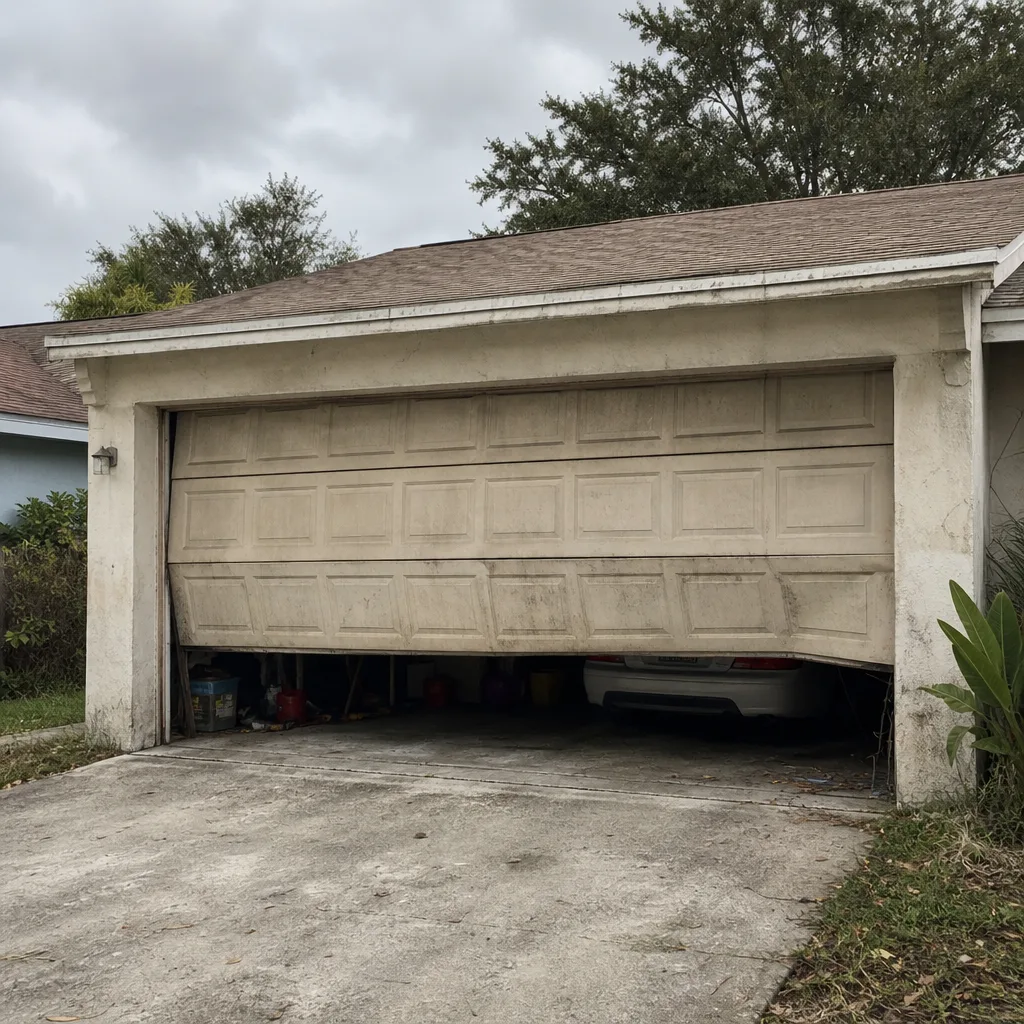 Before
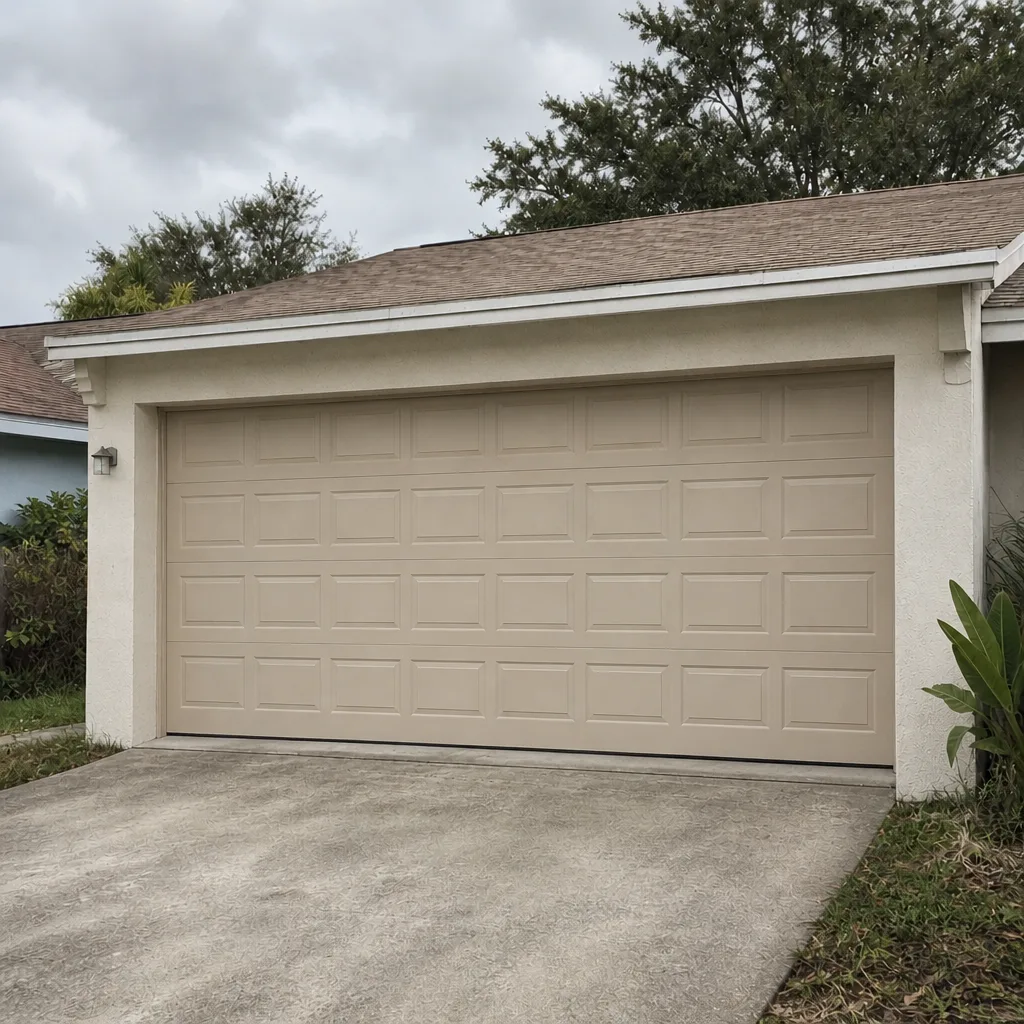 After
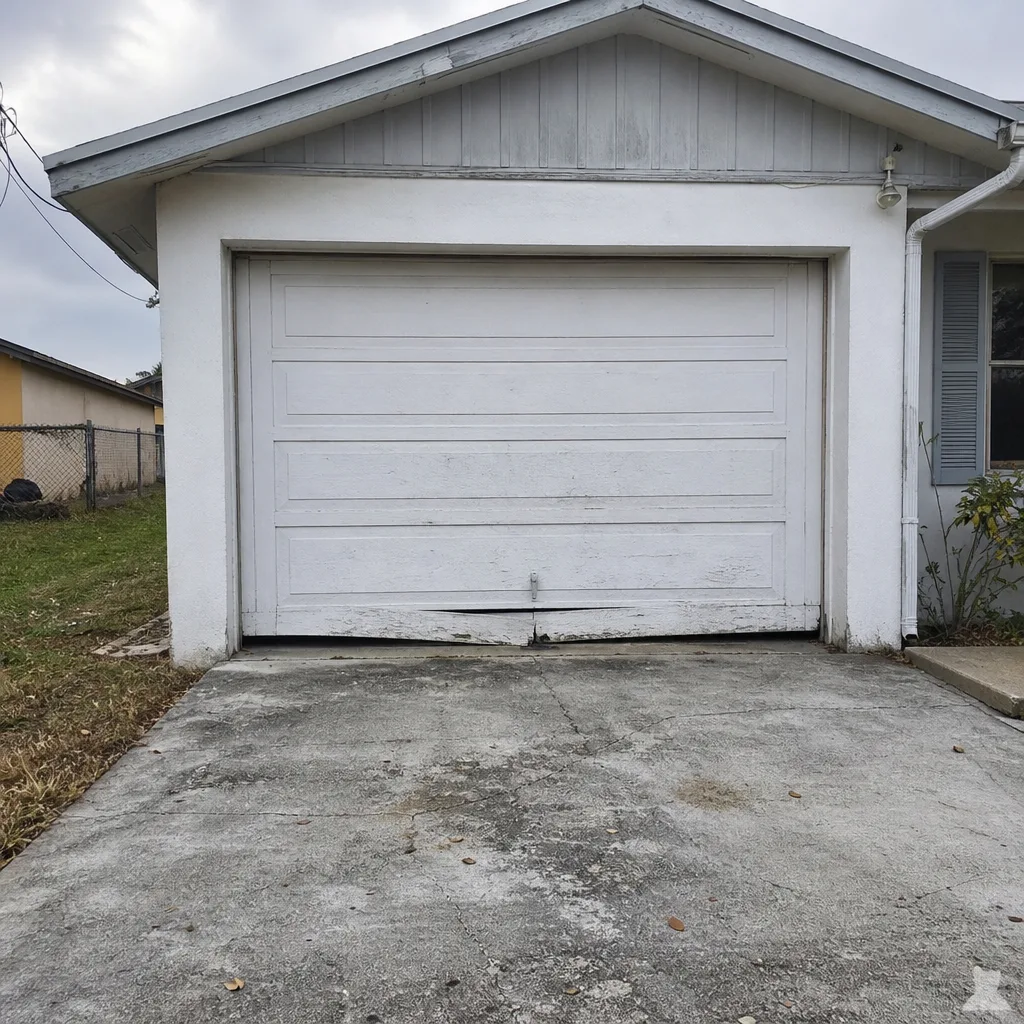 Before
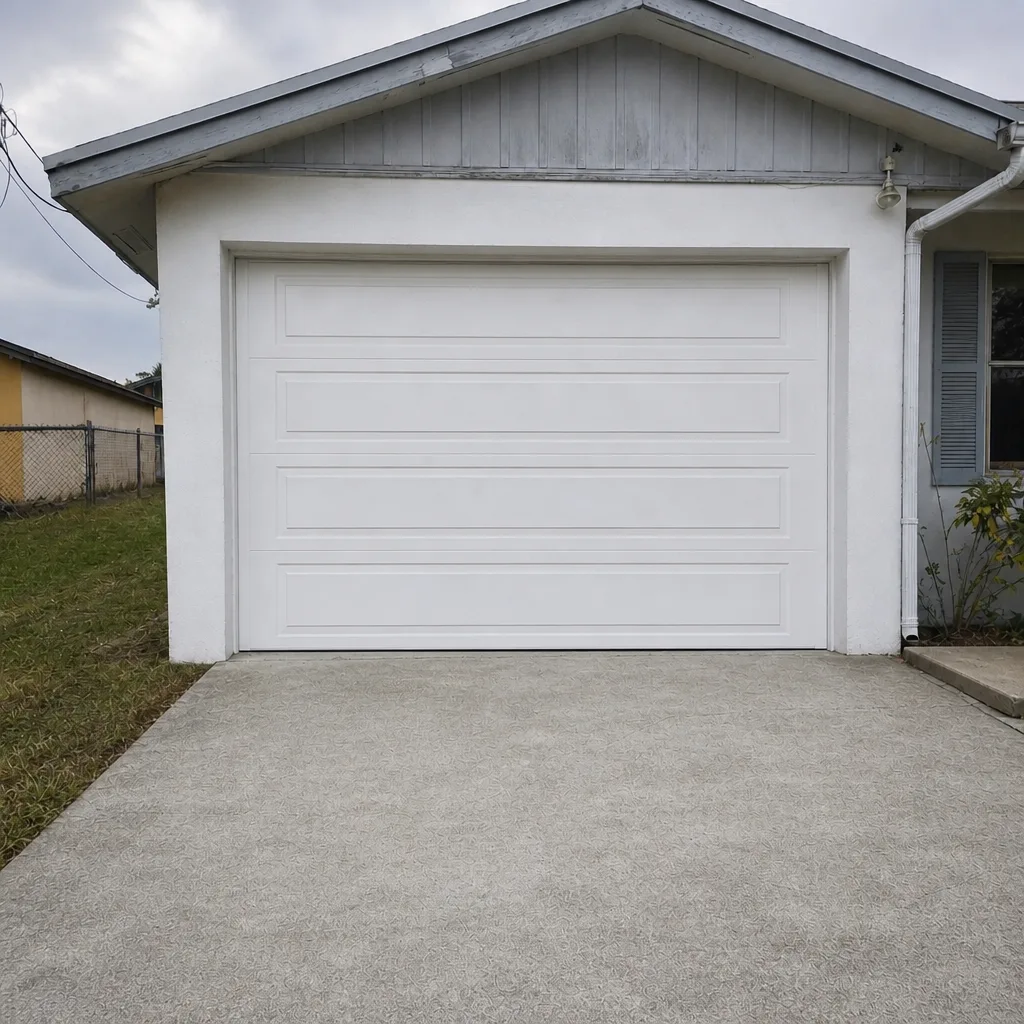 After
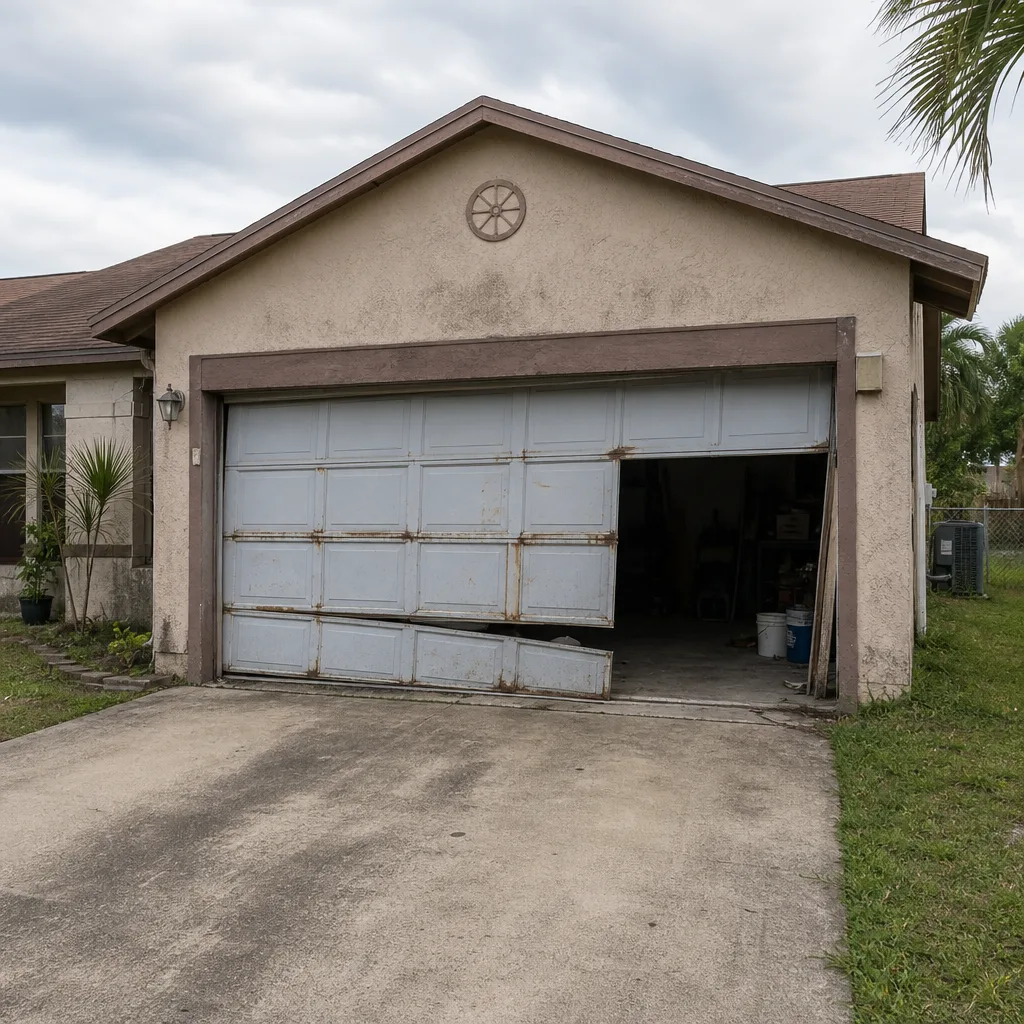 Before
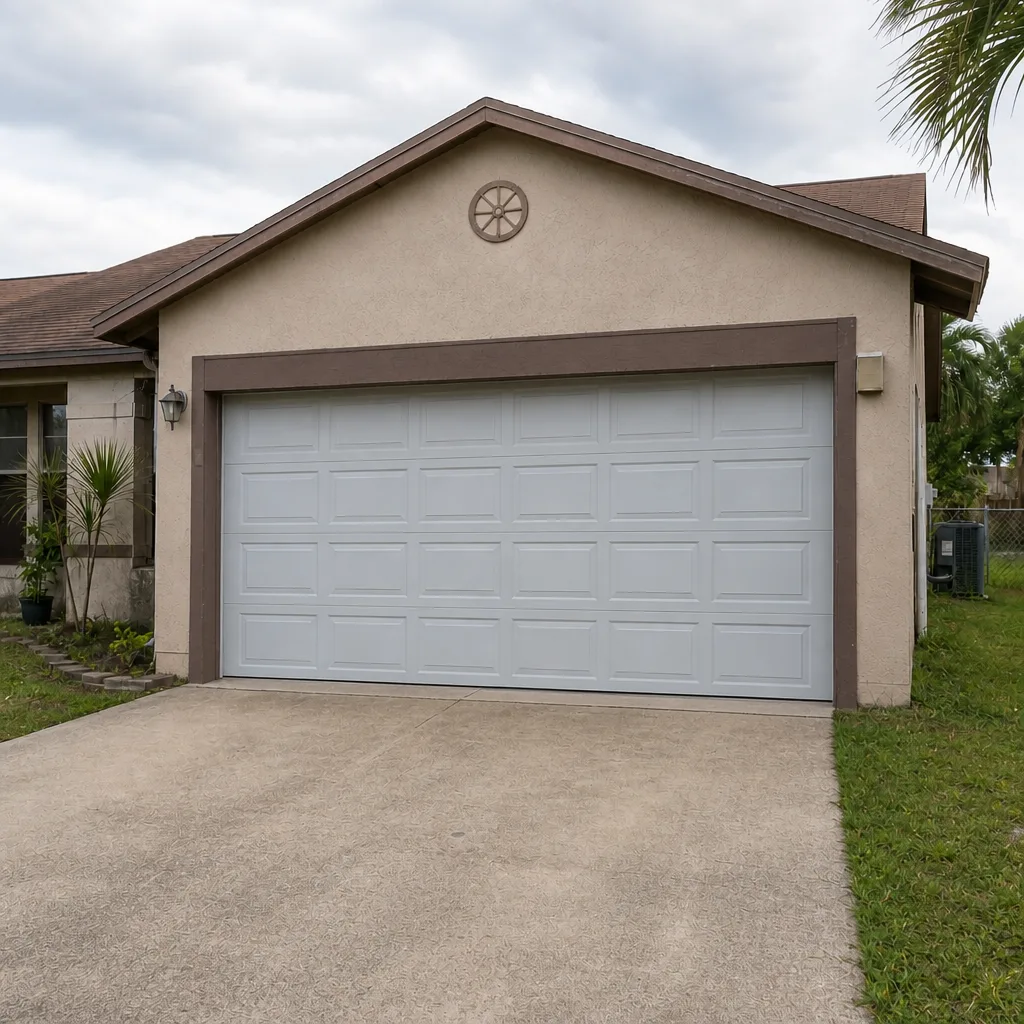 After
When to Call a Professional
Call us when the door won’t lift after a bang, when a cable looks frayed, or when a panel sags. Call before you operate the door again if it has come off the track, if you see rust-through on the spring, or if the opener motor runs but the door stays still. For slower problems – grinding that repeats, a door that drifts on manual release, an opener that clicks before it moves – a scheduled visit this week is the right call. Greenacres Garage Door Repair Pros offers free estimates in Greenacres. Call (844) 493-3637. Our technicians work on all eight of the most common residential garage door and opener brands, including LiftMaster, Chamberlain, Genie, Craftsman, Clopay, Amarr, Wayne Dalton, and Raynor, so whatever is already on your home, we can diagnose and repair it.
We answer 24/7. Fast dispatch from 7am to 7pm, Sunday through Friday, and we’re closed Saturday. Free estimates, and the written quote you agree to before work begins is the price.
Frequently Asked Questions
The most common are grinding or scraping noises that repeat every cycle, a door that drifts when released halfway, uneven panels when closed, and an opener that clicks or slows before moving. Any new, repeating sound or change in movement is the first warning sign worth checking.
A loud bang followed by a door that won’t lift, a sagging top panel, or a frayed lift cable is an emergency. Stop using the door and call. A grinding noise or an opener that’s slowing is not an emergency, but should be repaired within the week. If you see spring damage, don’t try to fix it yourself.
No. Torsion springs are under high tension and can cause serious injury if released without the proper tools and knowledge. Spring work is a specialist job. Book a technician who handles springs as a core service – our team does torsion and extension spring repairs in-house, done safely, in a single visit for most jobs.
We don’t have fixed prices because it depends on what’s actually wrong – a worn roller costs less than a spring replacement or track realignment. Every job gets a free estimate and a written quote you agree to before any work starts, so the final invoice matches what you signed off on. Call (844) 493-3637 for a free estimate.
No. The written estimate we provide is the price you’ll pay. If we find additional problems after we start, we stop and quote the extra work before touching it – you won’t get a surprise invoice. Call (844) 493-3637 for a free estimate.
Yes, in most cases. Same-day service is usually available in Greenacres for stuck doors and emergency repair calls. Call (844) 493-3637. We answer 24/7, with fast dispatch from 7am to 7pm, Sunday through Friday. A call outside dispatch hours is booked into the next opening, Sunday through Friday, 7am to 7pm.
We repair all eight of the most common residential garage door and opener brands, including LiftMaster, Chamberlain, Genie, Clopay, Amarr, Wayne Dalton, Craftsman, and Raynor. We work on the brand already on your home, and you won’t be pushed toward switching systems. If you have a lift opener that’s failing, we can usually repair the existing unit rather than replace it. Learn more about garage door opener repair here.
The Bottom Line
Garage door failures rarely come out of nowhere. They announce themselves through sound, movement, and the way the door sits – the challenge is knowing which signal means what. Grinding points to rollers and hinges. Scraping means something is dragging. Popping near the spring bar is a spring warning. Clicking is an opener problem. And a loud bang is a spring that has already failed. Sort your warnings into stop-now and fix-this-week, keep an eye on coil gaps and cable fraying from the floor, and don’t push a door that’s already off its track. Our technicians have up to 10 years of experience on residential doors in Greenacres, and we’re here to sort out which of these signs apply to your home.
If something in this guide matches what your door is doing, don’t wait for it to get worse. Call Greenacres Garage Door Repair Pros at (844) 493-3637 for a free estimate. We answer 24/7. Fast dispatch from 7am to 7pm, Sunday through Friday. Learn more about our Greenacres Garage Door Repair Pros team and the repair-first work we do.
Written by the team at Greenacres Garage Door Repair Pros.